Dysbiosis and the Gut Microbiome: Decoding Symptoms, Conditions, and the Path to Balance


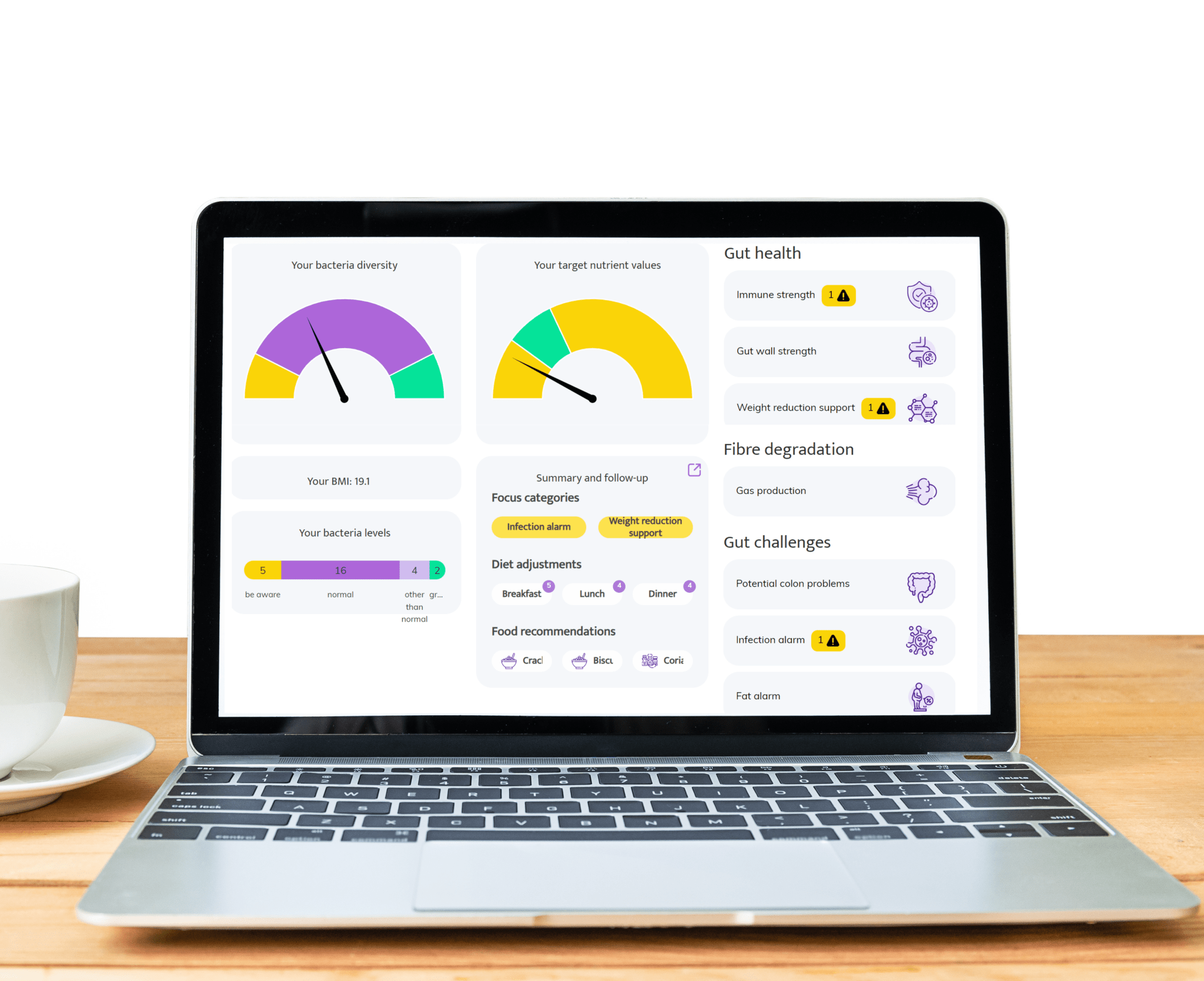
    innerbuddies gut microbiome testing

    Gut Health Symptoms & Conditions: A Microbiome-Driven Guide to Wellness

    Understanding Dysbiosis: An Introduction to the Gut Microbiome

    The human digestive tract hosts a complex and dynamic community of microorganisms collectively known as the gut microbiome. This ecosystem includes bacteria, viruses, fungi, and archaea that coexist in a delicate balance, contributing to digestion, immune regulation, vitamin synthesis, and protection against pathogens. When this balance is disrupted, a state called dysbiosis can emerge, influencing a wide range of symptoms and medical conditions across multiple body systems.

    What is the Gut Microbiome?

    The gut microbiome is not a single entity but a highly diverse population whose composition varies between individuals and across different sections of the gastrointestinal tract. Key functions include:

    These functions are interdependent: changes in diet, medication, or environment can shift microbial communities and their metabolic output, sometimes with significant effects on host health.

    What is Dysbiosis?

    Dysbiosis refers to an imbalance in the composition or function of the gut microbiome that correlates with adverse effects on the host. Dysbiosis can be characterized by:

    Not every detectable change is pathological: the microbiome naturally varies with age, diet, and geography. Dysbiosis becomes clinically relevant when shifts are persistent and associated with negative symptoms or disease.

    Why It Matters: From Local Symptoms to Systemic Conditions

    The implications of dysbiosis extend beyond gastrointestinal discomfort. Scientific research links dysbiosis to a spectrum of conditions including inflammatory bowel disease (IBD), irritable bowel syndrome (IBS), metabolic syndrome, obesity, type 2 diabetes, autoimmune disorders, allergies, and even neuropsychiatric conditions. Mechanisms include altered immune signaling, impaired barrier function (leading to increased intestinal permeability), metabolic dysregulation, and changes in microbial metabolites that affect distant organs.

    Because the gut microbiome is an active metabolic organ, maintaining or restoring microbial balance has become a focus for preventing and managing a wide range of chronic diseases. This article will decode the causes, symptoms, testing options, and strategies to restore gut balance to support long-term gut health.

    innerbuddies gut microbiome testing

    Common Causes and Risk Factors of Dysbiosis

    Understanding what drives dysbiosis is essential for both prevention and treatment. Multiple factors interact to shape the microbiome, and dysbiosis most often results from a combination of influences rather than a single cause. Below are the primary contributors to microbial imbalance.

    Diet and Nutrition

    Diet is one of the most powerful and modifiable determinants of the gut microbiome. Patterns that contribute to dysbiosis include:

    Conversely, diverse diets rich in whole plant foods, fermented foods, and varied fibers support microbial richness and resilience.

    Medications and Antibiotics

    Medications profoundly impact the microbiome. Antibiotics are the most obvious culprit: they can wipe out large groups of bacteria, reducing diversity and allowing resistant organisms or fungi to overgrow. Although many people recover some microbial diversity after a course of antibiotics, repeated or broad-spectrum antibiotic use is strongly linked to long-term dysbiosis.

    Non-antibiotic medications also alter the microbiome. Proton pump inhibitors (PPIs), metformin, certain antidepressants, and nonsteroidal anti-inflammatory drugs (NSAIDs) have documented effects on gut microbial communities and may contribute to dysbiosis associated with their use.

    Stress, Sleep, and Lifestyle

    The brain-gut axis links psychological stress, sleep quality, and lifestyle to the microbiome. Chronic stress can change gut motility, secretions, and immune responses, creating an environment that favors dysbiotic shifts. Poor sleep is associated with reduced microbial diversity and increases in inflammatory taxa. Sedentary behavior and inconsistent routines can also negatively influence microbial ecology.

    Infections, Pathogens, and Environmental Exposures

    Acute gastrointestinal infections — caused by bacteria, viruses, or parasites — can drastically perturb the microbiome. While some people recover fully, others may experience prolonged changes that predispose to conditions like post-infectious IBS. Environmental exposures, including contaminated water, poor sanitation, and certain occupational settings, can introduce or select for harmful microorganisms.

    Age, Genetics, and Early-Life Factors

    Microbial colonization begins at birth and is shaped by delivery mode (vaginal vs. cesarean), breastfeeding, early antibiotics, and childhood diet. Early-life disturbances can have long-lasting effects on immune development and disease risk. Genetic factors and aging further influence microbiome composition: elderly individuals often show reduced diversity and a different taxonomic profile linked to frailty and inflammation.

    Other Contributing Factors

    Because dysbiosis is multifactorial, a comprehensive approach that addresses diet, medications, lifestyle, and environmental exposures is often needed to restore balance.

    innerbuddies gut microbiome testing

    Gut Health Symptoms & Conditions: A Microbiome-Driven Guide to Wellness

    Signs, Symptoms, and Associated Conditions

    Dysbiosis manifests with a spectrum of symptoms that range from uncomfortable gastrointestinal complaints to systemic signs affecting energy, mood, and chronic disease risk. Recognizing these patterns can guide evaluation and early interventions.

    Gastrointestinal Symptoms

    The most direct manifestations of gut microbial imbalance are GI symptoms. Common complaints associated with dysbiosis include:

    Many of these symptoms overlap with functional gastrointestinal disorders such as irritable bowel syndrome (IBS), where dysbiosis is believed to play a contributing role.

    Metabolic and Immune-Related Conditions

    Dysbiosis has been linked to metabolic disturbances and immune dysfunction. Notable associations include:

    These connections are not strictly causal in every case, but growing evidence supports a role for the microbiome in disease progression and treatment responses.

    Neurological and Mood Disorders

    The gut-brain axis is a bi-directional communication network linking the gut microbiome with brain function. Dysbiosis can influence the production of neurotransmitter precursors, inflammatory mediators, and vagal signaling. Clinical correlations include:

    Research is evolving, and while the microbiome is unlikely to be the sole cause of these conditions, it can modulate severity and therapeutic responses.

    Skin, Oral, and Respiratory Links

    Dysbiosis can extend to mucosal surfaces beyond the gut. Examples include:

    Because the microbiome impacts broad physiological systems, dysbiosis often coexists with multi-system complaints. Recognizing patterns and linking symptoms to potential gut-derived causes creates an opportunity for targeted therapeutic strategies designed to restore microbial balance and improve clinical outcomes.

    innerbuddies gut microbiome testing

    Diagnosing Dysbiosis: Tests and Clinical Evaluation

    Diagnosing dysbiosis is challenging because there is no single universally accepted laboratory definition. Clinical evaluation remains fundamental, but laboratory tests can provide additional insight into microbial composition, metabolic function, and potential mechanisms driving symptoms.

    Clinical Assessment and Medical History

    A thorough clinical assessment often reveals clues pointing to dysbiosis. Key elements include:

    Physical examination and targeted tests (bloodwork for inflammation, vitamin deficiencies, celiac serology when indicated) complement the history. Clinical suspicion of specific disorders (e.g., IBD) guides further imaging or endoscopic evaluation.

    Stool Microbiome Testing

    Stool-based tests are the most direct way to assess gut microbial composition and function. Common approaches include:

    These tests can highlight reduced diversity, overrepresentation of harmful taxa, or loss of beneficial microbes. However, interpreting results requires clinical context because there are no absolute microbiome thresholds that define dysbiosis for most conditions.

    Breath Tests and Biomarkers

    Functional tests can assess consequences of dysbiosis and specific processes, such as:

    Interpreting Results and Limitations

    While testing can be informative, limitations exist:

    Therefore, the best practice combines clinical judgment with targeted testing. Tests are most helpful when they answer specific clinical questions (e.g., is there evidence for SIBO, is inflammation present) rather than as standalone definitive diagnostics for dysbiosis. Results guide individualized interventions aimed at restoring balance and tracking response to therapy.

    innerbuddies gut microbiome testing

    Restoring Balance: Treatment, Prevention, and Long-Term Gut Health

    Treatment of dysbiosis aims to reduce pathogenic drivers, restore beneficial microbes, and support resilient microbial communities that promote health. A personalized, multi-pronged approach is typically most effective.

    Dietary Strategies for Rebalancing the Microbiome

    Diet is the cornerstone of gut health. Evidence-based dietary strategies include:

    Personalization based on symptoms, testing, and tolerances is important — for instance, high-FODMAP foods might need temporary restriction in IBS while longer-term diversity is restored.

    Probiotics, Prebiotics, and Synbiotics

    Microbiome-targeted supplements can assist in rebalancing:

    Effectiveness varies by condition; working with a clinician or nutrition professional helps select appropriate products and dosing. Start probiotic use cautiously if immunocompromised and monitor for improvements or adverse effects.

    Medications and Targeted Therapies

    Medical therapies may be indicated depending on diagnosis:

    Choosing medical interventions requires weighing benefits against risks and considering long-term microbiome consequences.

    Lifestyle Modifications and Maintenance

    Long-term microbiome health rests on sustainable lifestyle choices:

    Practical Plan and Monitoring Progress

    An effective action plan to restore balance may include:

    Conclusion: A Balanced Microbiome for Lifelong Health

    Dysbiosis is a complex and reversible contributor to many symptoms and chronic conditions. By understanding the causes, recognizing the signs, and using targeted testing and multi-modal treatments, it is possible to restore microbial balance and support gut health. Prevention through a diverse, fiber-rich diet, prudent medication use, and healthy lifestyle practices remains the most powerful strategy to maintain a resilient microbiome and reduce disease risk over the long term.

    Empowering patients with personalized strategies to rebalance the microbiome can lead to meaningful improvements in symptoms, metabolic health, immune function, and quality of life.

    Read more: Dysbiosis and the Gut Microbiome - Decoding Symptoms, Conditions, and the Path to Balance

    Areas where InnerBuddies gut microbiome testing can make a significant impact

    • Digestive Health

      Gut discomfort like bloating, constipation, gas, or diarrhea often stems from an imbalance in gut bacteria. InnerBuddies analyzes the composition and diversity of your gut microbiome, identifying specific imbalances such as low fiber-fermenting bacteria or an overgrowth of gas-producing microbes.

      By pinpointing the root causes of digestive issues, InnerBuddies provides personalized, evidence-based recommendations to support digestion. Whether through targeted diet changes, prebiotics, or probiotics, users can take actionable steps to restore harmony and improve GI comfort.

    • Immune Function

      Over 80% of the immune system resides in the gut, and a diverse microbiome plays a key role in training immune cells to respond appropriately. InnerBuddies helps users assess their microbiome’s ability to support immune balance and resilience.

      Low microbial diversity or the presence of inflammatory bacteria may indicate a weakened defense system. InnerBuddies delivers tailored suggestions—like anti-inflammatory foods or immune-supportive nutrients—to help build a stronger, more balanced immune response.

    • Mental Health & Mood (Gut-Brain Axis)

      Emerging research shows that your microbiome influences neurotransmitters like serotonin, dopamine, and GABA, directly affecting mood and stress levels. InnerBuddies evaluates gut-brain axis markers to explore how your microbes may be impacting your mental well-being.

      With insight into bacterial strains associated with anxiety, depression, or stress resilience, InnerBuddies can guide personalized strategies to help improve emotional balance—ranging from fiber-rich diets to psychobiotic supplements.

    • Weight Management & Metabolism

      Certain gut bacteria can extract more energy from food and influence fat storage, insulin sensitivity, and appetite hormones. InnerBuddies assesses metabolic markers in your microbiome profile to help reveal how your gut may be impacting your weight.

      With tailored advice on foods that support healthy metabolism—such as resistant starches or polyphenol-rich plants—InnerBuddies empowers users to make microbially informed decisions that complement their health goals and weight management strategies.

    • Skin Health

      Skin conditions like acne, eczema, and rosacea are increasingly linked to gut imbalances and systemic inflammation. InnerBuddies analyzes your microbiome to detect patterns that may contribute to inflammatory skin responses.

      By supporting gut barrier integrity and reducing pro-inflammatory microbes, the recommendations from InnerBuddies can help improve skin from the inside out—encouraging a clearer complexion and fewer flare-ups through gut-skin axis awareness.

    • Personalized Nutrition

      Not all foods are beneficial for every gut. InnerBuddies delivers customized nutrition insights based on your unique microbial profile—identifying foods that nourish beneficial bacteria and flagging those that may trigger dysbiosis.

      This personalized approach helps users move beyond one-size-fits-all diets and embrace gut-friendly nutrition strategies. Whether you’re optimizing for energy, digestion, or longevity, InnerBuddies transforms your microbiome data into actionable meal plans.

    Hear from our satisfied customers!

    • "I would like to let you know how excited I am. We had been on the diet for about two months (my husband eats with us). We felt better with it, but how much better was really only noticed during the Christmas vacations when we had received a large Christmas package and didn't stick to the diet for a while. Well that did give motivation again, because what a difference in gastrointestinal symptoms but also energy in both of us!"

      - Manon, age 29 -

    • "Super help!!! I was already well on my way, but now I know for sure what I should and should not eat, drink. I have been struggling with stomach and intestines for so long, hope I can get rid of it now."

      - Petra, age 68 -

    • "I have read your comprehensive report and advice. Many thanks for that and very informative. Presented in this way, I can certainly move forward with it. Therefore no new questions for now. I will gladly take your suggestions to heart. And good luck with your important work."

      - Dirk, age 73 -