Dysbiosis and Mental Health: Exploring the Gut Microbiome's Impact on Mental Well-being

    innerbuddies gut microbiome testing

    Dysbiosis and the Gut Microbiome: Decoding Symptoms, Conditions, and the Path to Balance

    Understanding Dysbiosis and Its Role in Mental Health

    Dysbiosis refers to the imbalance or maladaptation of the gut microbiome, a complex community of microorganisms residing in the digestive tract. Increasing evidence points to a profound connection between gut microbial health and mental well-being. This intricate relationship is central to the emerging field of the gut-brain axis, which underscores how changes in microbial populations can influence, or even drive, mental health conditions.

    What Is Dysbiosis?

    Dysbiosis occurs when the natural equilibrium of gut bacteria is disrupted by factors such as antibiotics, diet changes, stress, infections, or chronic illness. This imbalance can lead to overgrowth of harmful bacteria while reducing beneficial microbes, undermining gastrointestinal function and systemic health.

    Key indicators of dysbiosis include digestive discomfort, inflammation, and nutrient malabsorption. However, its effects extend beyond the gut, influencing distant organs, particularly the brain. Research suggests that dysbiosis can modulate neurotransmitter production, immune response, and even the permeability of the blood-brain barrier.

    The Gut Microbiome and Mental Health Nexus

    The gut microbiome comprises trillions of bacteria, fungi, viruses, and other microorganisms. It performs vital functions, including aiding digestion, synthesizing vitamins, and regulating the immune system. Importantly, it also communicates bidirectionally with the brain via neural, endocrine, and immune pathways.

    Studies reveal that gut microbes produce and influence the availability of key neurotransmitters such as serotonin, dopamine, and gamma-aminobutyric acid (GABA), all integral in mood regulation and cognitive function. Serotonin, often dubbed the “feel-good” neurotransmitter, has approximately 90% of its production originating in the gut, highlighting the microbiome's pivotal role in emotional states.

    Evidence Linking Dysbiosis to Mental Disorders

    Emerging literature chronicles associations between dysbiosis and various psychiatric disorders, including depression, anxiety, autism spectrum disorder, and schizophrenia. For instance, patients with depression often exhibit distinct gut microbial profiles compared to healthy individuals, characterized by lower diversity and reduced populations of anti-inflammatory bacteria.

    Animal models provide compelling evidence: germ-free mice, devoid of any microbiota, display altered stress responses and behavioral changes resembling anxiety and depression. Moreover, fecal microbiota transplants (FMT) from affected humans to rodents have successfully transferred behavioral traits, further cementing the microbiome's involvement.

    innerbuddies gut microbiome testing

    The Gut-Brain Axis: Pathways Connecting Microbiota and Mental Well-being

    Neural Pathways in the Gut-Brain Communication

    The most direct line of communication between the gut and brain occurs via the vagus nerve, the longest cranial nerve. It transmits sensory information about the gut environment, including microbial metabolites and inflammatory signals, to brain centers that regulate mood and cognition.

    Microbiota can modulate vagal nerve activity through the production of neurotransmitters and bioactive compounds. This neural route is crucial for maintaining homeostasis and may significantly influence anxiety-like and depressive behaviors.

    Immune System Interactions

    Dysbiosis often triggers a state of chronic low-grade inflammation. The gut barrier integrity can be compromised, leading to increased intestinal permeability or “leaky gut,” which permits bacterial components such as lipopolysaccharides (LPS) to enter systemic circulation.

    LPS is a potent inflammatory molecule activating immune cells and provoking the release of cytokines that can cross the blood-brain barrier (BBB) or activate neural immune pathways. This neuroinflammation is implicated in the pathogenesis of depression and other mental health disorders.

    Endocrine and Metabolic Pathways

    The microbiome can influence the hypothalamic-pituitary-adrenal (HPA) axis, a central stress response system. Dysbiosis may lead to HPA axis dysregulation, resulting in abnormal cortisol levels that are commonly observed in depression and anxiety.

    Additionally, microbial metabolites such as short-chain fatty acids (SCFAs) like butyrate exert neuroprotective and anti-inflammatory effects, supporting gut-brain homeostasis. Conversely, reduced SCFA production in dysbiosis may facilitate mood disturbances.

    Neurotransmitter Production and Modulation

    Gut microbes synthesize or modulate the bioavailability of several crucial neurotransmitters:

    The cumulative impact of these pathways highlights how alterations in the microbiome can potentially trigger or exacerbate mental health conditions.

    innerbuddies gut microbiome testing

    Dysbiosis and the Gut Microbiome: Decoding Symptoms, Conditions, and the Path to Balance

    Clinical Evidence and Studies on Dysbiosis and Mental Health

    Human Clinical Trials

    Increasing numbers of clinical trials explore interventions targeting the microbiome to improve mental health outcomes. Probiotic supplementation studies indicate promising results, with certain probiotic strains demonstrating reductions in anxiety and depressive symptoms.

    For example, Lactobacillus helveticus and Bifidobacterium longum have been extensively researched for their ability to decrease cortisol levels and improve mood in stressed individuals, suggesting that specific microbial modulation can affect the neuroendocrine system.

    Microbiome Profiling in Mental Disorders

    Comparative analyses of gut microbiota compositions between individuals with mental illness and healthy controls reveal significant shifts. Depressed patients often show decreased alpha diversity and a relative reduction in beneficial genera like Faecalibacterium and Coprococcus, microbes tied to anti-inflammatory processes.

    Conversely, increased levels of pro-inflammatory genera such as Enterobacteriaceae have been observed. Similar patterns are detected in anxiety disorders and bipolar disorder, reinforcing the hypothesis that gut ecology impacts brain function.

    Fecal Microbiota Transplantation Studies

    FMT research is still nascent but provides powerful insights. Transferring fecal material from individuals with depression to animals has resulted in the recipients exhibiting behavioral and physiological markers of depression.

    Preliminary human trials are investigating FMT’s potential therapeutic effects on refractory mental health disorders by restoring gut microbial diversity and function, aiming to reset the dysbiotic gut environment.

    Limitations and Considerations in Current Research

    While correlations are robust, establishing causality remains complex. The gut microbiome is highly individualized and influenced by numerous environmental and genetic factors. Furthermore, mental health disorders are multifactorial with diverse etiologies.

    Therefore, personalized approaches along with well-designed longitudinal and mechanistic studies are critical to delineate the precise role of gut dysbiosis in mental health pathogenesis.

    innerbuddies gut microbiome testing

    Strategies to Restore Gut Microbiome Balance and Enhance Mental Well-being

    Dietary Interventions

    Diet is one of the most potent modulators of the gut microbiome. Increasing intake of prebiotics — nondigestible fibers that promote the growth of beneficial bacteria — can help restore microbial balance.

    Foods rich in prebiotics include garlic, onions, leeks, asparagus, and whole grains. Additionally, adhering to a Mediterranean-style diet abundant in fruits, vegetables, nuts, olive oil, and fish has been associated with reduced depression risk and a healthier microbiome profile.

    Probiotics and Psychobiotics

    Probiotics are live microorganisms that confer health benefits when consumed in adequate amounts. Certain probiotics termed psychobiotics specifically influence mental health by modulating the gut-brain axis.

    In clinical settings, psychobiotics like Lactobacillus rhamnosus and Bifidobacterium infantis have been shown to reduce anxiety-like behaviors and depressive symptoms, by mechanisms involving immune modulation, neurotransmitter production, and HPA axis regulation.

    Prebiotics and Synbiotics

    Prebiotics not only feed existing beneficial bacteria but may also exert independent effects on mental well-being. Synbiotics, which combine probiotics and prebiotics, aim to optimize colonization and functionality of supplemented microbes.

    Emerging evidence suggests that prebiotic supplementation can improve stress resilience and emotional processing, making synbiotic therapy a promising avenue.

    Lifestyle Factors

    Beyond diet, lifestyle interventions can profoundly impact microbiome health and mental state:

    innerbuddies gut microbiome testing

    Future Directions: Innovations and Therapeutic Potentials in Gut Microbiome and Mental Health Research

    Precision Microbiome-Based Therapies

    As understanding grows, precision medicine approaches targeting the microbiome offer exciting potential. These may include customized probiotic formulations, personalized diet plans, and microbiota-targeted drugs based on individual microbial signatures and mental health needs.

    Microbiome Biomarkers for Mental Illness Diagnosis

    Identifying microbial biomarkers predictive of psychiatric disorders could revolutionize diagnosis and treatment. Non-invasive stool tests analyzing microbial composition and function may facilitate early detection and monitoring, enabling targeted interventions.

    Integration of Multi-Omics Technologies

    Advances in genomics, metabolomics, and proteomics provide comprehensive insights into host-microbiome interactions affecting mental health. Integrating these approaches will help unravel complex mechanisms and identify novel therapeutic targets.

    Challenges and Ethical Considerations

    While microbiome-based therapies are promising, challenges include variability in human microbiomes, understanding long-term effects, and regulating interventions like FMT. Ethical concerns around donor selection, consent, and data privacy must be addressed to ensure safe and equitable use.

    Conclusion: Harnessing the Gut Microbiome for Mental Health

    The link between dysbiosis and mental health is a compelling frontier in medicine. Understanding the gut microbiome's impact on brain function opens avenues for innovative treatments that could transform psychiatric care.

    Optimizing gut health through targeted interventions offers a novel, integrative strategy to support mental well-being, emphasizing the importance of a holistic perspective in health management.

    By continuing to explore this fascinating connection, the future holds hope for improved mental health outcomes rooted in the microbial ecosystems within us.

    Read more: Exploring How Gut Microbiome Imbalances Affect Mental Health

    Areas where InnerBuddies gut microbiome testing can make a significant impact

    • Digestive Health

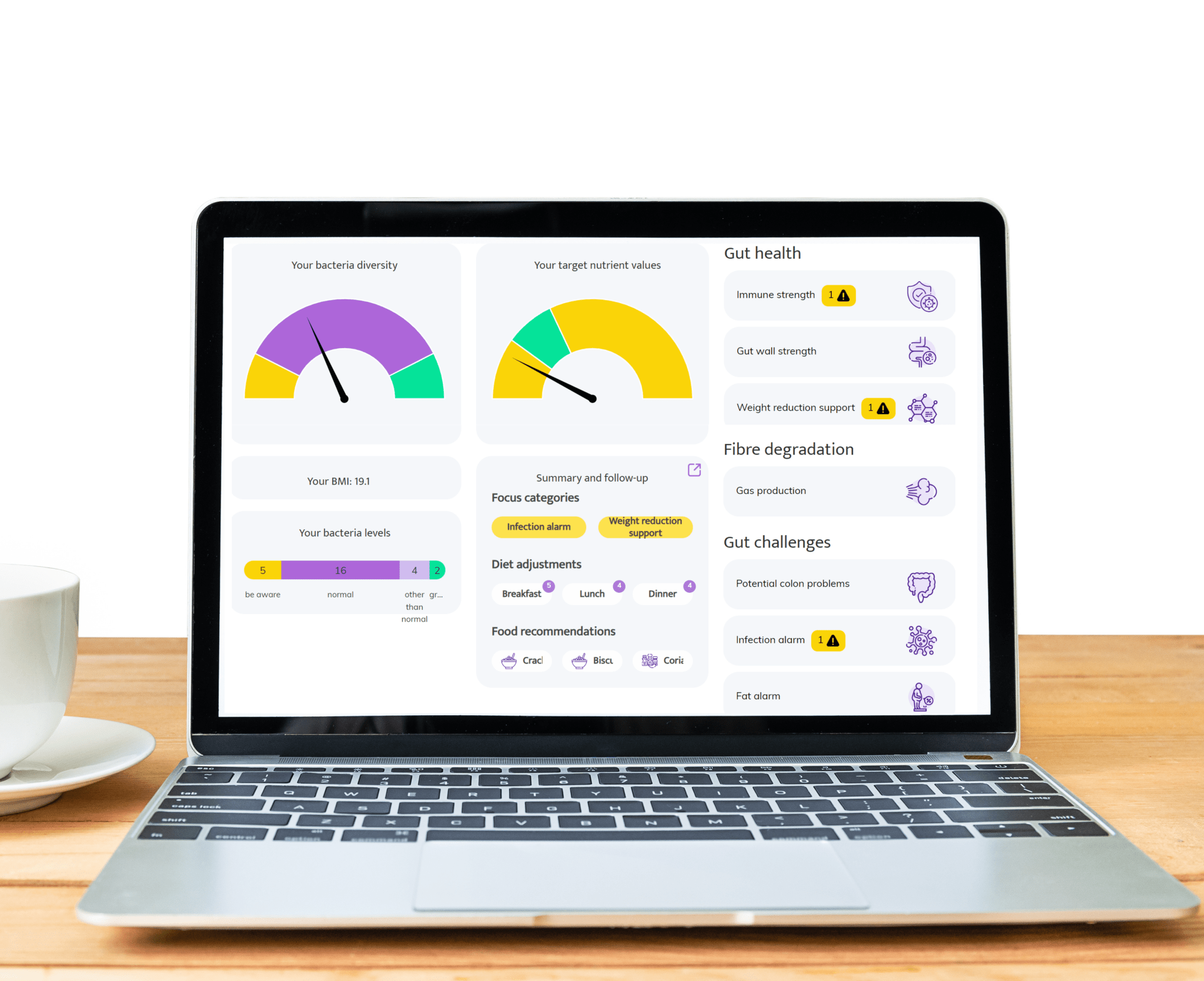
      Gut discomfort like bloating, constipation, gas, or diarrhea often stems from an imbalance in gut bacteria. InnerBuddies analyzes the composition and diversity of your gut microbiome, identifying specific imbalances such as low fiber-fermenting bacteria or an overgrowth of gas-producing microbes.

      By pinpointing the root causes of digestive issues, InnerBuddies provides personalized, evidence-based recommendations to support digestion. Whether through targeted diet changes, prebiotics, or probiotics, users can take actionable steps to restore harmony and improve GI comfort.

    • Immune Function

      Over 80% of the immune system resides in the gut, and a diverse microbiome plays a key role in training immune cells to respond appropriately. InnerBuddies helps users assess their microbiome’s ability to support immune balance and resilience.

      Low microbial diversity or the presence of inflammatory bacteria may indicate a weakened defense system. InnerBuddies delivers tailored suggestions—like anti-inflammatory foods or immune-supportive nutrients—to help build a stronger, more balanced immune response.

    • Mental Health & Mood (Gut-Brain Axis)

      Emerging research shows that your microbiome influences neurotransmitters like serotonin, dopamine, and GABA, directly affecting mood and stress levels. InnerBuddies evaluates gut-brain axis markers to explore how your microbes may be impacting your mental well-being.

      With insight into bacterial strains associated with anxiety, depression, or stress resilience, InnerBuddies can guide personalized strategies to help improve emotional balance—ranging from fiber-rich diets to psychobiotic supplements.

    • Weight Management & Metabolism

      Certain gut bacteria can extract more energy from food and influence fat storage, insulin sensitivity, and appetite hormones. InnerBuddies assesses metabolic markers in your microbiome profile to help reveal how your gut may be impacting your weight.

      With tailored advice on foods that support healthy metabolism—such as resistant starches or polyphenol-rich plants—InnerBuddies empowers users to make microbially informed decisions that complement their health goals and weight management strategies.

    • Skin Health

      Skin conditions like acne, eczema, and rosacea are increasingly linked to gut imbalances and systemic inflammation. InnerBuddies analyzes your microbiome to detect patterns that may contribute to inflammatory skin responses.

      By supporting gut barrier integrity and reducing pro-inflammatory microbes, the recommendations from InnerBuddies can help improve skin from the inside out—encouraging a clearer complexion and fewer flare-ups through gut-skin axis awareness.

    • Personalized Nutrition

      Not all foods are beneficial for every gut. InnerBuddies delivers customized nutrition insights based on your unique microbial profile—identifying foods that nourish beneficial bacteria and flagging those that may trigger dysbiosis.

      This personalized approach helps users move beyond one-size-fits-all diets and embrace gut-friendly nutrition strategies. Whether you’re optimizing for energy, digestion, or longevity, InnerBuddies transforms your microbiome data into actionable meal plans.

    Hear from our satisfied customers!

    • "I would like to let you know how excited I am. We had been on the diet for about two months (my husband eats with us). We felt better with it, but how much better was really only noticed during the Christmas vacations when we had received a large Christmas package and didn't stick to the diet for a while. Well that did give motivation again, because what a difference in gastrointestinal symptoms but also energy in both of us!"

      - Manon, age 29 -

    • "Super help!!! I was already well on my way, but now I know for sure what I should and should not eat, drink. I have been struggling with stomach and intestines for so long, hope I can get rid of it now."

      - Petra, age 68 -

    • "I have read your comprehensive report and advice. Many thanks for that and very informative. Presented in this way, I can certainly move forward with it. Therefore no new questions for now. I will gladly take your suggestions to heart. And good luck with your important work."

      - Dirk, age 73 -