What a Severe Dysbiosis Gut Test Can and Cannot Reveal

Gut Dysbiosis: Symptoms, Causes, and How to Restore Balance
Severe Dysbiosis and Your Gut Microbiome
Severe dysbiosis is not a single diagnosis with one universal definition. It generally describes a pronounced imbalance in the gut microbial community, often involving reduced diversity, shifts in beneficial bacteria, or overgrowth of microbes that can contribute to symptoms. Because severe can mean different things in different labs and clinical settings, results need to be interpreted alongside your symptoms, medical history and other tests.
What Dysbiosis Means
The gut microbiome includes trillions of bacteria, viruses, fungi and other microorganisms. These communities help break down fiber, produce metabolites, train the immune system and interact with the gut-brain axis. Dysbiosis refers to changes in that community rather than the presence of one bad microbe. Research has associated dysbiosis with digestive, metabolic and immune-related conditions, but association does not prove that dysbiosis directly causes those conditions.
Signs and Symptoms Often Linked to Gut Dysbiosis
Symptoms vary widely. They may include:
- Persistent bloating, gas or abdominal discomfort
- Diarrhea, constipation or alternating bowel habits
- Undigested food or mucus in stool
- Fatigue, low mood or difficulty concentrating
- Food intolerances or sensitivity to certain foods
- Skin flare-ups or other inflammatory symptoms
These symptoms overlap with many other conditions, including IBS, IBD, celiac disease, infections, food intolerances and thyroid disorders. Bloating alone or a single stool change is not enough to identify dysbiosis.
How Do I Tell If I Have Gut Dysbiosis?
You generally cannot tell from symptoms alone. If digestive symptoms persist for weeks, keep returning, or interfere with daily life, a healthcare professional can help assess possible causes. Seek prompt medical care for red flags such as blood in stool, black stools, unintentional weight loss, fever, severe pain, persistent vomiting, anemia or symptoms that wake you at night. These signs require medical evaluation and should not be managed with a microbiome test alone.
When a Severe Dysbiosis Gut Test May Be Considered
A gut microbiome test may be considered when a practitioner wants to explore microbial patterns, track changes over time, or add context to a broader workup. It is not a routine screening test for everyone, and it does not replace standard medical evaluation. The most useful next step depends on your symptoms, history and what your clinician needs to rule out.

How Doctors Test for Gut Dysbiosis
There is no single standard test that confirms dysbiosis. In clinical practice, doctors usually begin by ruling out more clearly defined conditions. They may order stool tests for infections, parasites or inflammation, blood tests, breath tests, or procedures such as endoscopy or colonoscopy when red flags or chronic symptoms are present. Microbiome sequencing tests can add information about bacterial diversity and composition, but they are usually complementary rather than diagnostic on their own.
Common Clinical Tests for Gut Symptoms
Depending on the situation, a clinician may use:
- Stool culture, PCR or antigen tests to check for bacterial, viral or parasitic infections
- Fecal calprotectin or other inflammatory markers to look for intestinal inflammation
- Blood tests for anemia, celiac disease, thyroid function, vitamin deficiencies or immune markers
- Breath tests for small intestinal bacterial overgrowth (SIBO) or carbohydrate intolerance
- Endoscopy or colonoscopy when bleeding, weight loss, chronic diarrhea or suspected IBD needs investigation
These tests help identify or exclude conditions that can mimic dysbiosis. A microbiome test is not a substitute for them.
Microbiome Sequencing Technologies
Microbiome tests use different laboratory methods, and the method affects what the report can and cannot show.
- 16S rRNA gene sequencing gives a broad view of bacterial groups, diversity and relative abundance. It does not usually identify species-level function or non-bacterial organisms in detail.
- Shotgun metagenomics can provide more detail about species, genes and functional potential. It produces complex data that may be harder to interpret clinically.
- qPCR panels target specific bacteria, parasites or markers. They are useful when a clinician is looking for particular organisms but do not profile the whole community.
- Some panels combine microbiome markers with inflammation, permeability or other gastrointestinal markers. These additional markers may be useful in context, but they do not replace standard diagnostic tests.
Sample Collection and Preparation
Most gut microbiome tests require a stool sample collected with a standardized kit. Results can be affected by what you ate recently, antibiotics, probiotics, bowel preparation and how long the sample takes to reach the lab. Follow the test provider's instructions carefully. If you have recently taken antibiotics or probiotics, ask whether you should wait before sampling. One sample reflects a single point in time; the microbiome can vary from day to day.
How to Read Gut Microbiome Test Results
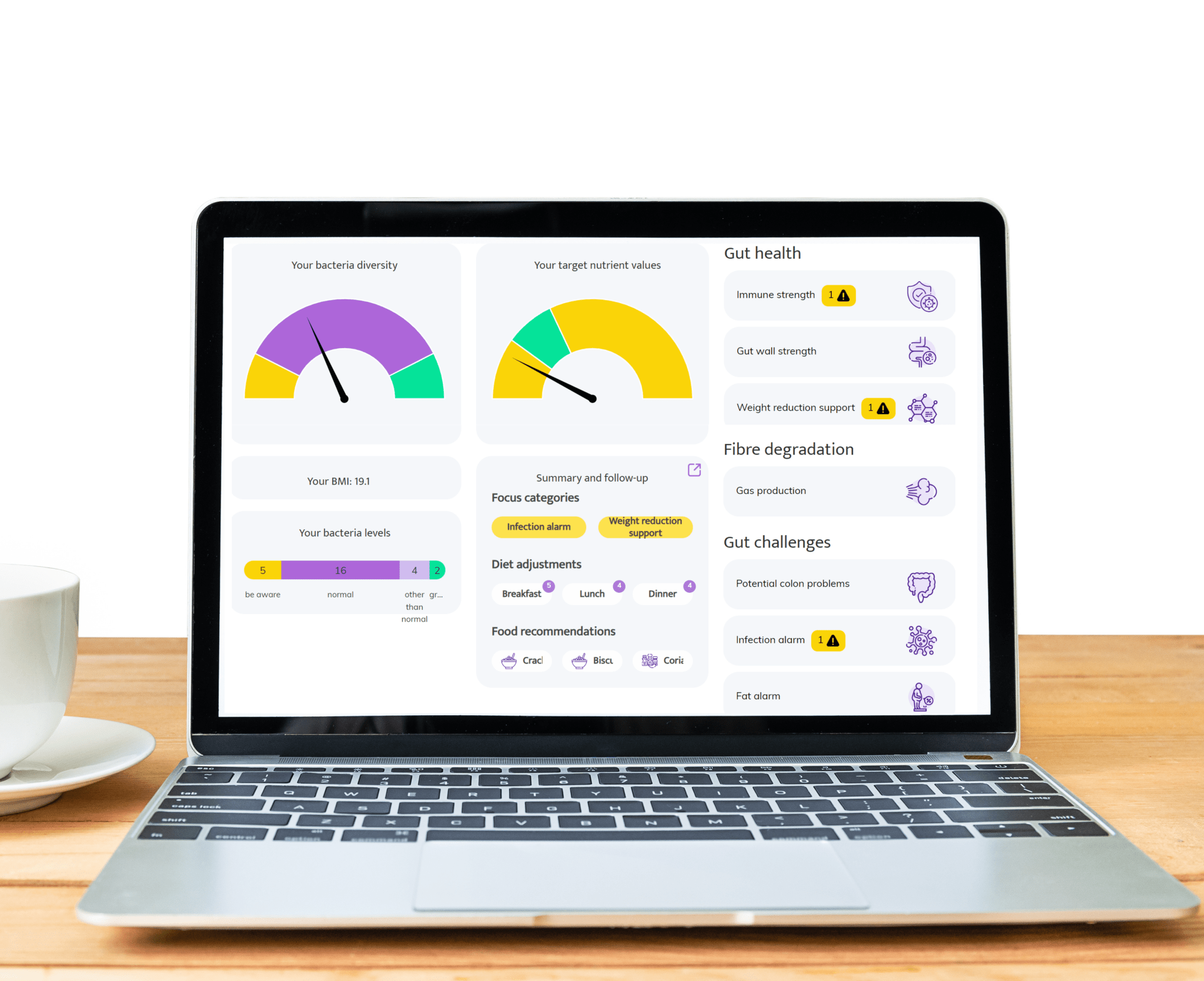
Reports often include diversity scores, relative abundance of bacterial groups, ratios, potential pathogens and functional markers. These results are not standardized across laboratories, and a severe dysbiosis score from one company may not mean the same thing as a similar label from another. A qualified healthcare professional can help interpret the report in the context of your symptoms, diet, medications and other test results. Avoid making major treatment decisions based on a microbiome report alone.

Gut Dysbiosis: Symptoms, Causes, and How to Restore Balance
Causes and Risk Factors for Severe Dysbiosis
Dysbiosis usually develops from a combination of factors rather than one single cause. Some influences are modifiable, while others, such as age and genetics, are not. Identifying likely contributors can help guide realistic changes.
Antibiotics and Medications
Antibiotics are important medicines, but they can reduce beneficial gut bacteria and lower microbial diversity. Recovery varies from person to person. Other medications, including proton pump inhibitors, nonsteroidal anti-inflammatory drugs and some antidepressants, have also been associated with changes in the gut microbiome. This does not mean everyone who takes them will develop dysbiosis.
Diet and Dietary Patterns
Diets low in fiber and high in ultra-processed foods, refined sugars and unhealthy fats may promote microbial imbalance. Diets rich in diverse plant fibers, legumes, whole grains and fermented foods tend to support a more varied microbiome. Alcohol can also affect gut barrier function and microbial balance when consumed heavily or regularly.
Stress, Sleep and Lifestyle
Chronic stress can influence digestion, gut motility, immune function and the gut-brain axis. Poor sleep, physical inactivity, smoking and excessive alcohol use may add to the burden. Lifestyle factors rarely act alone, but they can make symptoms more difficult to manage.
Infections and Underlying Conditions
Gastrointestinal infections can disrupt the microbiome, and some people experience longer-term changes afterward. Conditions such as IBS, IBD, celiac disease, metabolic syndrome and autoimmune disorders have been linked with microbiome alterations. The relationship is often bidirectional: the condition may affect the microbiome, and the microbiome may influence symptoms or inflammation.
Age, Genetics and Environment
Microbial diversity often changes with age, and older adults may be more vulnerable to imbalance. Genetics can influence immune responses and how the gut interacts with microbes. Environmental factors, including pollution, sanitation, geographic location and antibiotic use in agriculture, may also play a role. These factors are complex and not fully understood.
Managing and Treating Dysbiosis After Testing
Treatment for dysbiosis is personalized and depends on what the test shows, what symptoms you have, your medical history and whether another condition is present. A microbiome report is not a prescription. It should be used with clinical judgment, not as a standalone instruction to take a particular supplement or avoid a long list of foods.
Can You Fix Gut Dysbiosis Quickly?
There is no proven quick fix for dysbiosis. The gut microbiome can shift in response to diet, stress, medications and illness, but lasting changes usually take weeks to months. Products marketed as cleanses, detoxes or rapid microbiome resets are not supported by strong evidence and may cause harm. If symptoms are severe, the fastest safe route is usually a medical evaluation, not a self-directed supplement protocol.
Dietary Strategies
A gut-friendly approach focuses on consistency and variety:
- Eat a range of fiber-rich plant foods, including vegetables, fruits, legumes, whole grains, nuts and seeds, as tolerated
- Include fermented foods such as yogurt, kefir, sauerkraut or kimchi if they suit you
- Limit ultra-processed foods, excessive added sugar and heavy alcohol use
- Stay hydrated and eat regular meals to support normal digestion
- Avoid unnecessary restrictive diets unless a clinician or dietitian recommends them
Dietary changes can improve symptoms, but they do not guarantee a specific change in microbiome test results.
Probiotics, Prebiotics and Synbiotics
Probiotics may help some people, but effects are strain-specific and evidence varies by symptom and condition. Prebiotics feed beneficial microbes, while synbiotics combine prebiotics and probiotics. These products are not risk-free for everyone; people who are immunocompromised or critically ill should discuss them with a clinician first. If you use probiotics, choose products with clear strain information and follow professional guidance.
Antimicrobials and Targeted Therapies
When a specific pathogen, parasite or overgrowth is identified, a clinician may prescribe targeted antimicrobial or antifungal treatment. This should be based on appropriate testing and clinical context, not a broad microbiome report alone. Avoid unnecessary antibiotics because they can further disrupt the microbiome. Fecal microbiota transplantation (FMT) is an established treatment for recurrent Clostridioides difficile infection in certain patients, but it is not a routine treatment for general dysbiosis.
Lifestyle Support and Stress Management
Because the gut and brain communicate, stress management can be part of gut care. Regular sleep, physical activity, relaxation practices and mental health support may reduce symptom burden for some people. These steps are supportive, not a replacement for medical treatment when it is needed.
Monitoring Progress
Follow-up testing may be useful in some situations, but frequent microbiome testing without a clear plan can create confusion and unnecessary expense. Progress is often best tracked with symptom diaries, quality-of-life measures and standard clinical tests. If your clinician recommends repeat testing, ask what decision the result will change.

Benefits and Limits of Severe Dysbiosis Gut Testing
A severe dysbiosis gut test can provide a detailed snapshot of microbial diversity and composition, but it is not a definitive diagnostic tool. It may help a practitioner identify patterns, rule out other conditions, or track changes alongside treatment. Its main limitations are that results vary between laboratories, dysbiosis has no single universal definition, and a test cannot prove that microbial changes are causing your symptoms.
What the Test Can Help With
When interpreted by a qualified professional, a gut microbiome test may offer useful context. It can show whether bacterial diversity is low or whether certain groups are unusually high or low. It may also help a clinician monitor changes after dietary, lifestyle or medical interventions. For some people, this information can support a more personalized discussion about next steps.
What the Test Cannot Do
A microbiome test cannot diagnose IBS, IBD, celiac disease, infections or other medical conditions on its own. It cannot replace a standard medical workup, and it cannot tell you exactly which diet, probiotic or supplement will work for you. It also cannot guarantee that correcting an abnormal result will resolve symptoms. Use it as one piece of information within a broader clinical assessment.
Common Questions About Gut Dysbiosis Testing
How do doctors test for gut dysbiosis?
Doctors do not have one standard dysbiosis test. They usually start with history, examination and tests for infections, inflammation, malabsorption or other conditions. Microbiome sequencing may be added to look at bacterial diversity and composition, but it is interpreted alongside standard findings.
How do I tell if I have gut dysbiosis?
You cannot reliably self-diagnose dysbiosis from symptoms alone. Persistent bloating, gas, diarrhea, constipation or abdominal pain may prompt a medical assessment, especially if symptoms are severe or include red flags such as blood in stool or weight loss.
How to fix gut dysbiosis quickly?
There is no proven rapid fix. Sustainable improvement usually involves treating any identified condition, adjusting diet and lifestyle, and using targeted therapies only when indicated. Extreme cleanses or detoxes are not recommended.
Will insurance pay for a gut microbiome test?
Sometimes, but many microbiome tests are not covered. Coverage depends on your insurer, plan, medical necessity, the ordering clinician and the laboratory. Standard stool or blood tests are more likely to be covered than broad direct-to-consumer sequencing panels. Check with the laboratory and your insurer before testing.
Key Takeaways
Severe dysbiosis describes a meaningful disruption in gut microbial balance, but it is not a single disease and it cannot be identified by symptoms alone. A gut test may offer useful insights, yet it works best as part of a clinical evaluation that also rules out other conditions. If you have persistent or alarming digestive symptoms, seek medical care. If you are considering testing, ask what the result would change and whether the cost is justified. The most reliable path forward usually combines professional guidance, a varied fiber-rich diet, sensible lifestyle support and targeted treatment when a specific problem is found.
Find more details about Dysbiosis
You can find more information on the related topics below.
Read more: severe dysbiosis symptoms, testing options and treatment steps
Your Gut Has a Story. Read It — Then Fix Potential Problems
Full microbiome sequencing + Gut Health Index. Metabolic pathways, diversity, keystone species. Personalized plans available (diet, supplements, diary, recipes). EU lab + Maastricht University spin-off + GDPR-safe.