Dysbiosis Test Guide: Recognise the Signs and Restore Your Gut Microbiome Balance

Gut Dysbiosis: Symptoms, Causes, and How to Restore Balance
Understanding Dysbiosis and Gut Microbiome Imbalance
Your gut microbiome is made up of trillions of microorganisms, including bacteria, fungi, viruses and other microbes, that live throughout the digestive tract. They help break down food, train the immune system and produce compounds that influence metabolism, digestion and even mood. When the make-up or behaviour of these microbes shifts, the result is often described as dysbiosis.
Dysbiosis is not a single disease, and no single test defines it. It is best understood as a change in the gut microbial community: fewer beneficial groups, overgrowth of others, or reduced overall diversity.
What Causes Gut Microbiome Imbalance?
- Antibiotics, particularly repeated or long courses
- A diet low in fibre and plant variety and high in ultra-processed foods
- Chronic stress, poor sleep and irregular eating patterns
- Gastrointestinal infections, including traveller's diarrhoea
- Certain medications, such as acid-suppressing drugs, which have been associated with changes in gut bacteria
- Alcohol, smoking and low physical activity
- Ageing and some long-term health conditions
These factors may reduce microbial diversity. Lower diversity has been associated with several health conditions, although an association does not prove that dysbiosis causes them.
What Are the 6 Signs Your Gut May Be in Trouble?
- Persistent digestive changes: bloating, gas, abdominal discomfort, constipation or diarrhoea
- Fatigue or low energy that is not explained by sleep or workload
- More frequent infections, or slow recovery when you do get ill
- New or worsening food intolerances
- Skin changes, such as flare-ups of eczema or acne-prone skin
- Changes in mood, sleep quality or concentration
These signs are common and often have causes unrelated to the microbiome. If they persist or interfere with daily life, it is worth discussing them with a healthcare professional rather than self-diagnosing.
The rest of this guide explains how dysbiosis is assessed in practice, which tests exist, what they can and cannot show, and what research suggests may help restore balance.

How Do Doctors Test for Gut Dysbiosis?
There is no single routine clinical test that doctors order specifically to diagnose dysbiosis. In everyday practice, a doctor usually starts with your medical history, symptoms, medication use and a physical examination, then orders standard blood and stool tests to rule out other explanations such as infection, inflammation, coeliac disease or thyroid problems. A microbiome-focused stool test is usually considered afterwards, and breath testing may be used when small intestinal bacterial overgrowth (SIBO) or a carbohydrate intolerance is suspected.
Standard Tests a Doctor May Order First
- Blood tests: full blood count, inflammatory markers, iron, vitamin B12 and vitamin D, thyroid function, coeliac screening
- Stool tests: infection and parasite testing, faecal calprotectin for inflammation, faecal elastase for pancreatic function
- Breath tests: hydrogen and methane breath testing for SIBO, and lactose or fructose breath testing for intolerances
- Imaging or endoscopy in selected cases where red flags are present
The purpose of these steps is to identify or exclude conditions that need specific treatment before looking more closely at the microbiome itself.
Types of Microbiome and Dysbiosis Testing
- 16S rRNA sequencing gives a broad overview of bacterial groups and diversity
- Shotgun metagenomics adds species-level detail and information about microbial functions and genes
- Targeted PCR panels report predefined pathogens, parasites and selected markers
- Culture-based stool analysis detects specific organisms that can be grown in the laboratory
- Metabolite testing measures substances such as short-chain fatty acids and markers of fermentation
- Breath testing assesses gas production linked to bacterial overgrowth in the small intestine
Comparing the Main Options
- Breath test for SIBO: non-invasive, quick and relatively affordable. It only reflects gas-producing bacteria in the small intestine and does not describe the wider microbiome.
- Standard stool panel ordered by a doctor: usually focused on infection, inflammation and specific markers, and more likely to be reimbursed when medically indicated. It offers limited detail about overall microbial composition.
- 16S sequencing: provides a broad picture of bacterial groups and diversity at a moderate cost. Resolution stops around genus level, and clinical validation for diagnosing specific diseases is limited.
- Shotgun metagenomics: the highest level of detail, including species and functional potential, at the highest cost. Results are more complex and often include findings of uncertain significance.
- Targeted PCR panels: useful for answering specific questions such as the presence of particular pathogens. They only report what the panel was designed to detect.
Costs vary widely between countries, providers and test depth, and interpretation support is often the part that matters most.
What a Dysbiosis Test Can and Cannot Tell You
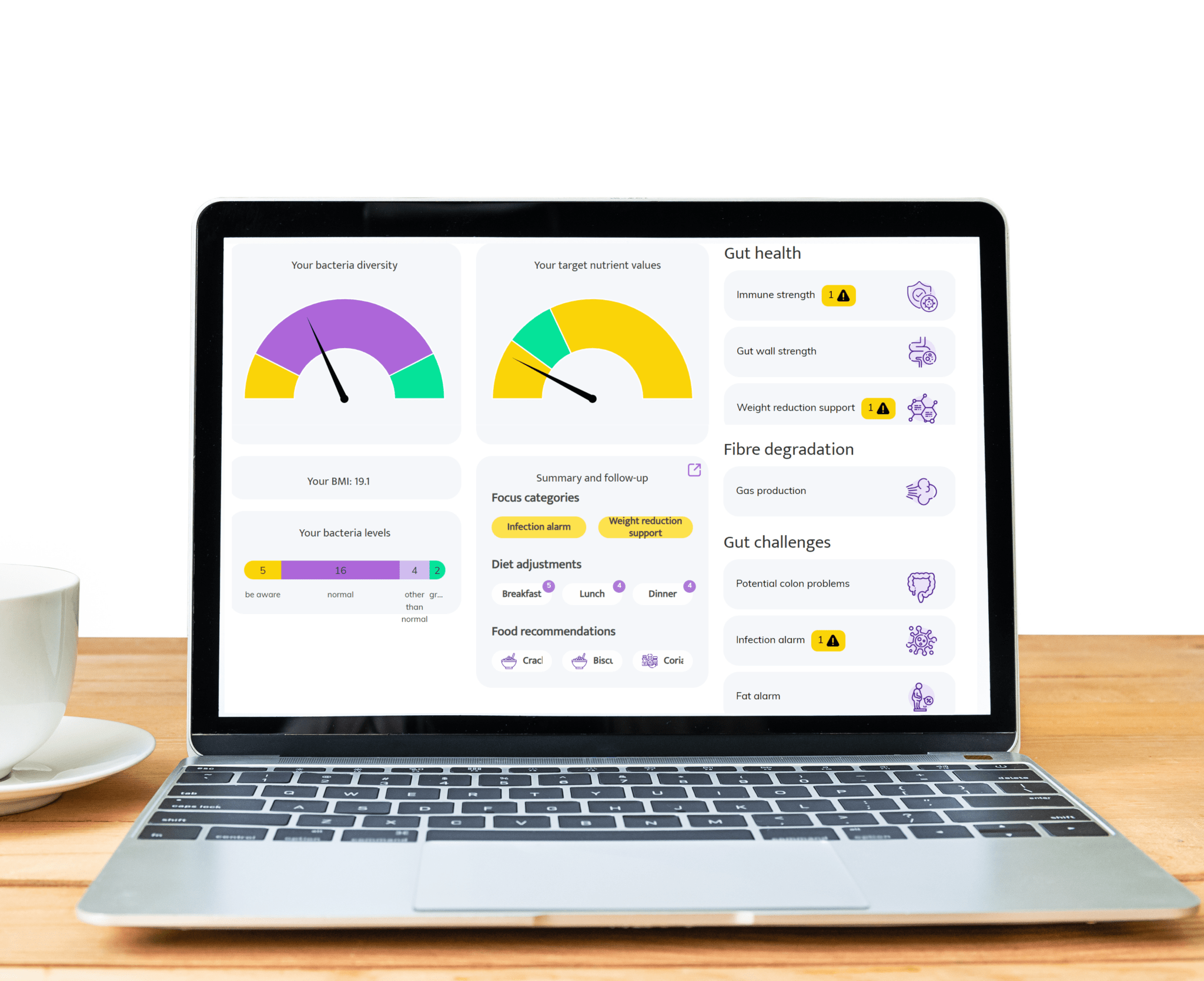
A test can describe the composition and diversity of your gut microbes, detect certain pathogens or parasites, and help you track how your microbiome changes over time.
A test cannot diagnose a specific disease on its own, and it cannot predict exactly which diet, supplement or treatment will work for you. Findings of uncertain significance are common, which is why results are best reviewed with a qualified healthcare professional who can put them alongside your symptoms and history.
Who Might Consider Microbiome Testing?
- Persistent digestive symptoms that have not been explained by standard tests
- Symptoms that began or worsened after a course of antibiotics
- IBS-type symptoms, alongside, not instead of, medical assessment
- A wish to establish a baseline before making substantial dietary or lifestyle changes
For most people with occasional, mild digestive complaints, lifestyle changes alone are a reasonable first step before paying for a test.

Gut Dysbiosis: Symptoms, Causes, and How to Restore Balance
Taking a Dysbiosis Test: Preparation, Samples and Costs
How to Prepare
Preparation requirements differ between providers, so always follow the instructions supplied with your specific kit. Common recommendations include:
- Avoid antibiotics for around four weeks before sampling, unless your doctor advises otherwise
- Pause probiotic supplements for a few days beforehand if the laboratory requests it
- Avoid laxatives and, in some cases, alcohol and fermented foods in the days before collection
- Note any recent illness, travel, medication or major dietary change so it can be considered during interpretation
- Confirm whether the test should be done during a particular part of your cycle or during a symptom flare
Collecting the Sample
- Use only the collection tube or swab provided in the kit
- Collect a fresh sample and transfer the required amount promptly
- Avoid contamination from urine, water or toilet paper where the instructions advise it
- Store and transport the sample at the temperature specified, and return it within the stated time window
- Record the date and time of collection, plus any current symptoms
Most home kits are designed to be straightforward, and any deviation from the instructions is the most common reason a sample cannot be processed.
Interpreting Your Results
Reports vary between laboratories, but commonly include:
- A diversity score or index
- Relative abundance of the major bacterial groups
- Presence of specific pathogens, parasites or markers of inflammation
- Functional markers such as short-chain fatty acids
- Occasionally, antibiotic-resistance genes or additional commentary
Reference ranges and interpretive frameworks differ from lab to lab, so results from two providers are not directly comparable. Treat the report as one input rather than a verdict, and review it with a clinician who can connect it to your symptoms, diet and medical history.
Will Insurance Pay for a Gut Microbiome Test?
Sometimes, but direct-to-consumer microbiome sequencing is usually paid for out of pocket. Coverage depends on your country, your insurer, the type of test and whether a doctor has documented a medical reason for it.
- Standard stool and blood tests ordered by a doctor for a clinical reason are more likely to be covered
- Breath testing for SIBO or intolerances may be reimbursed in some countries and plans
- Direct-to-consumer gut microbiome panels are typically the individual's own cost
- A referral may be required before any reimbursement is possible
Before ordering, check with your insurer or the testing provider about what is covered, what documentation is needed and what the full cost includes, such as sample shipping and follow-up interpretation.
How Do You Fix Gut Dysbiosis?
Dysbiosis is usually addressed with a combination of dietary change, lifestyle habits and, where appropriate, targeted supplements or medication. There is no single protocol that suits everyone, and improvement is typically gradual, often measured over weeks to months rather than days. A sensible approach is to change one area at a time, track how you respond, and involve a healthcare professional if symptoms are severe or persistent.
Dietary Strategies
The food you eat is one of the strongest day-to-day influences on your gut microbes.
- Build diet diversity: aim for a wide range of plant foods, including vegetables, fruit, legumes, wholegrains, nuts and seeds
- Include fermented foods such as plain yoghurt, kefir, sauerkraut and kimchi; research suggests they can influence microbiome diversity and immune markers
- Add polyphenol-rich foods such as berries, olive oil, green tea and dark cocoa
- Keep ultra-processed foods, added sugar and excess alcohol to a minimum
- Consider a temporary low-FODMAP trial under professional guidance if symptoms are intense; it is a short-term symptom tool, not a long-term microbiome strategy
- Eat at regular times and stay well hydrated
Probiotics and Supplements
Probiotic effects are strain-specific and often modest, and the evidence differs depending on the situation.
- Lactobacillus and Bifidobacterium species are the most studied, particularly for antibiotic-associated digestive symptoms
- Saccharomyces boulardii is a yeast-based option that has been studied in antibiotic-associated diarrhoea
- Prebiotic fibres and polyphenol supplements may support beneficial groups, though responses vary
- Digestive enzymes, glutamine and anti-inflammatory herbs are sometimes used to support gut barrier function, with more limited evidence
If you are considering supplements, match them to your specific symptoms and discuss duration and expectations with a qualified professional.
Medical Treatments
In more significant cases, a healthcare provider may recommend:
- Antibiotics or antimicrobials for confirmed bacterial overgrowth or a diagnosed infection; rifaximin, for example, is sometimes used for SIBO
- Antiparasitic or antifungal treatment when a specific organism has been identified
- Treatment of an underlying condition, such as exocrine pancreatic insufficiency or coeliac disease
- Faecal microbiota transplantation, whose evidence is strongest for recurrent Clostridioides difficile infection and remains investigational for most other conditions
Antibiotics are not a routine dysbiosis treatment and should only be used when a specific indication has been identified.
Lifestyle Modifications
- Prioritise consistent, sufficient sleep
- Use stress-reduction practices that you can sustain, such as breathing exercises, walking or yoga
- Stay physically active, as movement has been associated with greater microbial diversity
- Reduce or stop smoking and limit alcohol
- Review regular medication with your doctor, including acid-suppressing drugs, rather than stopping anything yourself

Maintaining Gut Balance Long Term
Once symptoms improve, the focus shifts from correcting an imbalance to maintaining habits that keep your microbiome resilient. Microbial communities respond to what you do consistently, not to short bursts of effort.
Ongoing Monitoring
Repeat testing is optional. It can be useful for tracking changes over time, but results vary between laboratories and naturally fluctuate with diet, travel and illness, so symptoms usually remain the more meaningful measure. If you retest, use the same provider where possible and discuss the comparison with a professional.
A Gut-Friendly Routine
- Keep plant variety high and include fermented foods regularly
- Eat enough fibre, and increase it gradually to avoid bloating
- Move your body most days and protect your sleep
- Manage stress with realistic, repeatable habits
- Use antibiotics only when genuinely needed, and ask about gut-supportive steps afterwards
- Review supplements periodically rather than taking them indefinitely by default
Where Microbiome Research Is Heading
Research continues to explore how the gut microbiome relates to digestion, immunity, metabolism and mental health. Microbiome-based therapies and personalised approaches are promising areas, but the evidence is still developing and not yet strong enough to support blanket claims. As testing becomes more accessible, the most useful role for it is likely to be as one part of a broader clinical picture, rather than as a standalone answer.
Frequently Asked Questions About Dysbiosis Testing
Are at-home dysbiosis tests accurate?
They can reliably describe which microbial groups are present and how diverse the sample is. How clinically meaningful that information is varies, and no at-home test can diagnose a disease on its own. Results also differ between laboratories, so interpretation matters as much as the data.
How long does it take to rebalance your gut?
It varies from person to person. Some people notice symptom improvement within a few weeks of changing their diet or lifestyle, while shifts in microbial composition are usually gradual and can take several months of consistent habits. Progress is rarely linear.
Can dysbiosis come back?
Yes. Antibiotics, infections, travel, prolonged stress and major dietary changes can all shift the microbiome again. Ongoing habits, rather than a one-off intervention, are what tend to keep the balance stable.
The Bottom Line
Dysbiosis describes a shift in the gut microbiome rather than a single diagnosis, and it is usually identified through a combination of medical history, standard tests and, in some cases, microbiome-focused stool or breath testing. Understanding what a test can and cannot show helps you avoid over-interpreting results. If you have persistent digestive or general symptoms, start by speaking with a healthcare professional, and consider testing as a way to add context to your symptoms and guide realistic, sustainable changes.
Find more details about Dysbiosis
You can find more information on the related topics below.
More on Dysbiosis Tests: Understand Your Results and Restore Gut Balance
Your Gut Has a Story. Read It — Then Fix Potential Problems
Full microbiome sequencing + Gut Health Index. Metabolic pathways, diversity, keystone species. Personalized plans available (diet, supplements, diary, recipes). EU lab + Maastricht University spin-off + GDPR-safe.