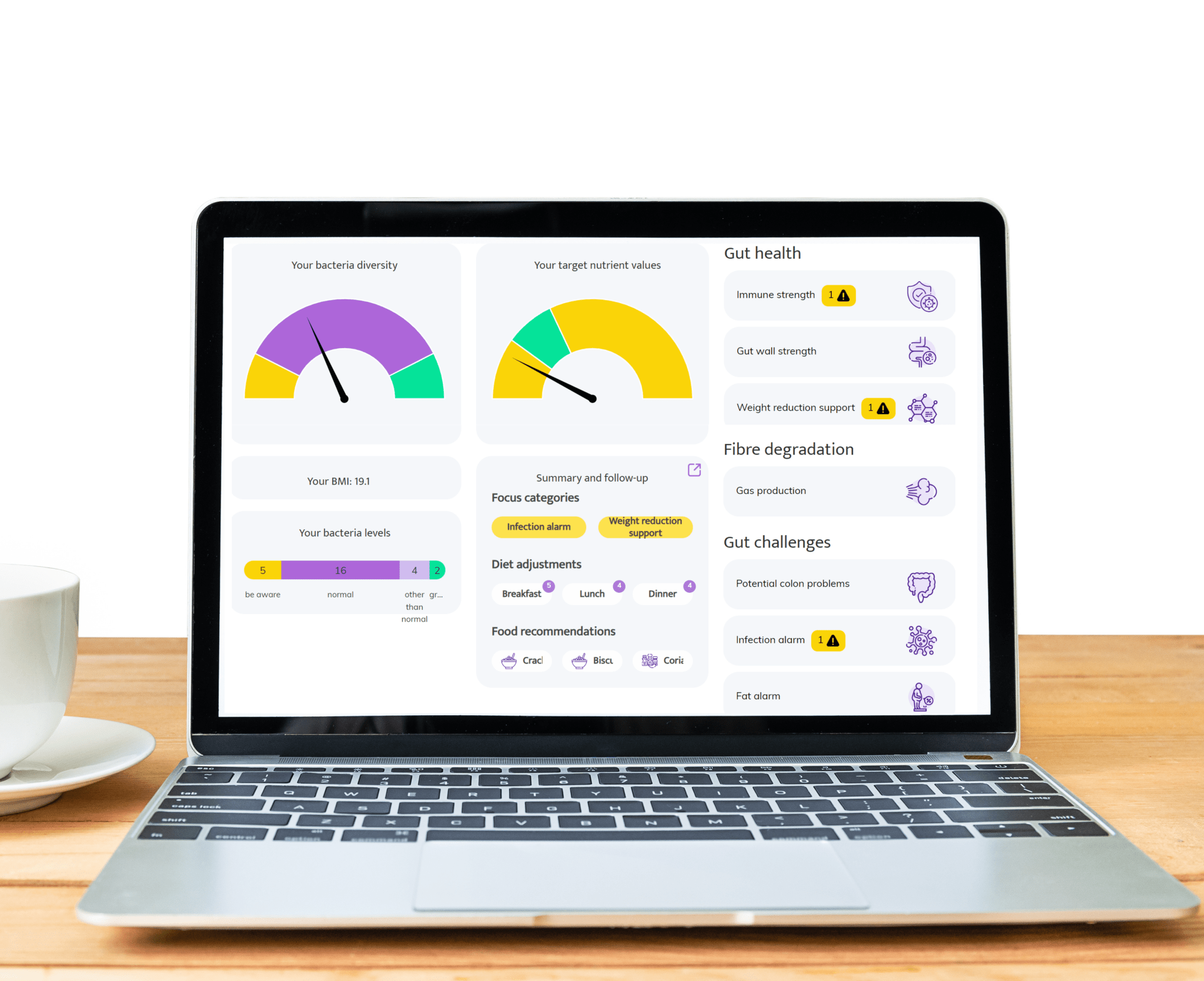
Technology of Gut Testing: Cutting-Edge Microbiome Analysis for the Gut Microbiome

    innerbuddies gut microbiome testing

    Unlocking Gut Health: Advanced Microbiome Testing for Tailored Wellness

    Technology of Gut Testing: Introduction and Historical Context

    The technology of gut testing has rapidly evolved over the past two decades, transforming our understanding of the gut microbiome and its profound effects on human health. What began as culture-based microbiology has progressed into an advanced era of high-throughput sequencing, multi-omics integration, and precision bioinformatics. These advances enable researchers and clinicians to characterize complex microbial ecosystems with unprecedented depth, revealing relationships between microbial communities and metabolic, immunological, and neurological outcomes.

    Why the Gut Microbiome Matters

    The gut microbiome refers to the trillions of microorganisms living in the gastrointestinal tract, including bacteria, archaea, viruses, fungi, and protozoa. This dynamic ecosystem performs critical functions: digesting complex polysaccharides, synthesizing vitamins, modulating immune responses, producing bioactive metabolites, and influencing drug metabolism. As such, understanding the composition and function of the gut microbiome is central to diagnosing and managing many conditions, from inflammatory bowel disease to metabolic syndrome and mental health disorders.

    From Culture to Culture-Independent Methods

    For much of microbiology’s history, researchers relied on cultivating microbes on selective media. However, more than 90% of gut microbes are not easily culturable under standard lab conditions. The advent of culture-independent techniques, especially DNA sequencing, revolutionized the field. Key milestones include:

    Defining the Scope of Gut Testing Today

    Modern gut testing encompasses multiple layers: taxonomic profiling, functional annotation, activity measurement, and metabolite detection. Tests can be tailored for research, clinical diagnostics, or consumer wellness. Clinical-grade assays emphasize validated methods, reproducibility, and regulatory compliance, while research assays explore novel signals and experimental techniques. Across contexts, the goal remains consistent: translate complex microbial data into actionable insights about the gut microbiome and host health.

    SEO and the Language of Microbiome Technology

    When writing about the technology of gut testing, it helps to emphasize precise terms such as microbiome analysis, metagenomics, sequencing technologies, and functional profiling. These keywords help guide both human readers and search engines to core topics like diagnostic accuracy, sample handling, analytical pipelines, and clinical application. Clear, structured headings and repeated but natural use of key phrases improve the SEO value of content while educating diverse audiences.

    Structure of This Guide

    This multi-part guide will walk through the technical and practical aspects of modern gut testing. In subsequent sections we will explore sampling approaches and sequencing platforms, bioinformatics and data interpretation, clinical uses and regulatory considerations, and future directions in the field. Each section is designed to be both technically informative and accessible, highlighting the strengths and limitations of current technologies used for microbiome analysis of the gut microbiome.

    Key takeaway: The technology of gut testing has transitioned from simple culture methods to integrated, high-resolution approaches that reveal both who is present in the gut and what they are doing. This enables more precise correlations with health and disease, but also raises new challenges in standardization and interpretation.

    innerbuddies gut microbiome testing

    Technology of Gut Testing: Sampling, Preservation, and Sequencing Platforms

    Accurate microbiome analysis begins with robust sampling and preservation. The initial steps—how a sample is collected, stabilized, and processed—have major downstream effects on data quality and biological interpretation. This section details best practices for sample collection, nucleic acid extraction, and the major sequencing technologies used in gut testing.

    Sample Types and Collection Methods

    Most gut microbiome tests use fecal samples because stool captures luminal microbial communities. Other sample types include mucosal biopsies, aspirates, and intestinal swabs, each offering different insights. Common sampling approaches include:

    When designing or selecting a test, consider the trade-offs between convenience, invasiveness, and the specific microbial niche you intend to study.

    Preservation and Stabilization

    Microbial communities can shift within hours of collection due to bacterial growth or lysis. Preservation buffers that inhibit nuclease activity and stabilize DNA/RNA are essential for reliable results. Popular stabilization strategies include:

    Choosing an appropriate stabilization method is critical for consistent gut testing results.

    Nucleic Acid Extraction and Quality Control

    Efficient extraction of microbial DNA/RNA from stool requires mechanical and chemical lysis to break tough cell walls. Bead beating combined with enzymatic lysis often gives the best yield across diverse taxa. Quality control steps include spectrophotometric quantification, fluorometric assays for low-input samples, and assessing fragment size distributions for sequencing readiness.

    Sequencing Technologies: Marker-Gene vs. Shotgun

    Two broad classes of sequencing dominate current microbiome analysis:

    For clinical-grade applications where functional interpretation matters, shotgun metagenomics is increasingly preferred, while 16S sequencing remains useful for large-scale population studies and initial screens.

    Beyond DNA: RNA, Proteins, and Metabolites

    To capture microbial activity and host-microbe interactions, additional layers of data are valuable:

    Multi-omics combinations (e.g., metagenomics + metabolomics) yield a comprehensive view of the gut microbiome and its functional impact.

    Sequencing Platforms and Read Types

    Common sequencing platforms include short-read technologies (e.g., Illumina) and long-read technologies (e.g., Oxford Nanopore, PacBio). Short reads deliver high accuracy and throughput ideal for taxonomic surveys and gene-centric analyses. Long reads offer advantages in genome assembly, detection of structural variation, and linking genes to specific strains—key for high-resolution studies and strain-tracking in epidemiology.

    Best practice: select the platform that matches your study goals. For routine clinical profiling, high-coverage short-read shotgun sequencing often provides the best balance of cost, accuracy, and interpretability. For complex strain-resolution problems, augment with long-read data.

    innerbuddies gut microbiome testing

    Unlocking Gut Health: Advanced Microbiome Testing for Tailored Wellness

    Technology of Gut Testing: Bioinformatics, Databases, and Functional Analysis

    After sequencing, raw data must be processed through robust bioinformatics pipelines to generate interpretable results. The computational layer is where DNA sequences become taxonomic profiles, functional annotations, and clinically relevant insights. This section breaks down the major analytic steps, common tools, and important considerations for reproducible microbiome analysis.

    Primary Data Processing and Quality Control

    Initial processing involves trimming adapters, filtering low-quality reads, and removing host-derived sequences (human DNA). Quality metrics such as read depth, duplication rates, and microbial diversity measures inform whether a sample is adequate for downstream analysis. Rigorous quality control reduces false positives and improves the reliability of clinical reporting.

    Taxonomic Profiling and Classification

    Taxonomic classification assigns reads to microbes at various ranks (domain, phylum, class, order, family, genus, species, strain). Approaches include:

    Reference databases such as SILVA, Greengenes (historically), GTDB, RefSeq, and custom curated catalogs influence classification accuracy and taxonomic resolution. Frequent database updates and careful curation are essential to prevent misclassification and to capture novel taxa.

    Functional Annotation and Pathway Analysis

    Functional analysis maps genes or open reading frames to known pathways and enzyme functions. Common resources include KEGG, EggNOG, UniProt, and MetaCyc. Functional profiling enables the identification of genes involved in:

    Functional potential inferred from DNA should ideally be validated by expression data (metatranscriptomics) or metabolite measurements to confirm activity.

    Strain-Level Resolution and Genome Reconstruction

    Strain-level profiling is critical when closely related strains differ in pathogenicity or metabolic function. Advanced computational methods reconstruct metagenome-assembled genomes (MAGs) to recover near-complete genomes from complex samples. Combined with long-read sequencing and binning algorithms, MAGs enable epidemiological tracking, identification of mobile genetic elements, and deeper insight into microbial ecology.

    Multi-Omics Integration

    Integrating metagenomics with metatranscriptomics, proteomics, and metabolomics bridges the gap between potential and actual activity. Statistical and machine learning frameworks can correlate microbial taxa with metabolites and clinical phenotypes, helping identify candidate biomarkers and mechanistic pathways. Network analysis and causal inference techniques further elucidate interactions within the microbiome and between microbes and the host.

    Machine Learning and Predictive Models

    Machine learning models trained on large, well-annotated datasets can classify disease states, predict responses to therapy, or recommend personalized dietary interventions based on microbiome signatures. Key considerations for trustworthy models include rigorous cross-validation, external validation cohorts, transparency about feature selection, and attention to confounders like diet, medication, and geography.

    Reporting, Standards, and Reproducibility

    Standardized reporting formats (e.g., MIMARKS, MIxS) and reproducible pipelines facilitate comparison across studies. Containerization (Docker, Singularity) and workflow managers (Nextflow, Snakemake) help ensure reproducibility. For clinical applications, pipelines should be validated and documented to meet regulatory expectations and to provide clear interpretation in clinician-facing reports.

    Important note: bioinformatics is not a black box. Interpretations depend on pipeline choices, database versions, and statistical thresholds. Transparency about methods is essential for reliable microbiome analysis and trustworthy clinical recommendations.

    innerbuddies gut microbiome testing

    Technology of Gut Testing: Clinical Applications and Interpretation

    The translation of microbiome analysis into clinical practice is accelerating. Tests that assess the gut microbiome can inform diagnoses, guide treatment, and support personalized nutrition and therapeutics. This section reviews current clinical use cases, interpretation challenges, and how gut testing informs decision-making.

    Clinical Use Cases

    Interpreting Clinical Reports

    Clinical gut test reports should translate complex data into actionable insights. Key components of a responsible report include:

    Clinicians should interpret results with knowledge of preanalytical variables (diet, antibiotics, timing) and the current evidence base. Overinterpretation of associations without established causality is a risk with novel microbiome findings.

    Personalized Nutrition and Therapeutics

    One of the most tangible applications is personalized nutrition: tailoring diet and prebiotic/probiotic recommendations to an individual’s microbial profile. Clinical trials have shown that baseline microbiome features can influence glycemic responses and weight-loss outcomes. Similarly, targeted probiotics, synbiotics, or precision prebiotics may be selected based on functional deficits or specific microbial absences.

    Fecal Microbiota Transplantation (FMT) and Microbial Therapeutics

    FMT is a powerful example of microbiome-directed therapy, especially for recurrent Clostridioides difficile infection. Gut testing is used to screen donors for pathogens and undesirable genes, and post-FMT monitoring assesses engraftment and safety. Synthetic microbial communities and next-generation probiotics aim to offer standardized, well-characterized alternatives to donor-based FMT.

    Regulatory, Ethical, and Practical Considerations

    Clinical adoption requires attention to regulatory standards, data privacy, and ethical issues. Diagnostic tests intended for clinical decision-making must demonstrate analytical validity, clinical validity, and clinical utility. Informed consent, data security, and transparency about how patient data and sequences are used are central ethical obligations.

    Limitations and Pitfalls

    Important limitations include inter-individual variability, temporal dynamics of the microbiome, and limited causal proof for many associations. Confounding factors — diet, medication, geography, and sample handling — must be accounted for. Clinicians should avoid over-reliance on a single test and integrate microbiome data with clinical history and standard laboratory findings.

    Practical tip: use gut testing as a complementary tool. The most impactful applications are those backed by reproducible evidence and integrated into broader clinical workflows rather than used in isolation.

    innerbuddies gut microbiome testing

    Technology of Gut Testing: Future Directions, Commercial Trends, and Implementation

    The field of gut testing continues to innovate rapidly. Emerging technologies, integration of artificial intelligence, and growing commercial interest are reshaping how microbiome analysis will be delivered in the coming years. This final section explores future technical advances, business trends, and practical strategies for implementing gut testing programs.

    Emerging Technologies

    Several technical innovations promise to enhance the sensitivity, resolution, and clinical relevance of gut testing:

    Artificial Intelligence and Predictive Analytics

    AI models are increasingly capable of integrating complex, multi-dimensional microbiome data with clinical variables to produce actionable predictions. As datasets grow in size and diversity, models will become more generalizable, enabling risk stratification, prognosis, and optimized therapeutic recommendations. Responsible AI practices—transparency, validation, and bias mitigation—are essential for clinical trust.

    Commercialization and Consumer Testing

    The consumer market for gut testing has expanded rapidly, offering direct-to-consumer kits for wellness, diet guidance, and general health insight. Clinically oriented companies are pursuing CLIA-certified laboratories, partnerships with healthcare systems, and evidence-based product pipelines. Competitive differentiators include the breadth of multi-omics services, speed of results, and the quality of interpretation and clinical support.

    Cost, Access, and Reimbursement

    Cost reduction in sequencing and bioinformatics tools has made testing more accessible. However, broad clinical adoption will depend on demonstration of cost-effectiveness and integration into reimbursement frameworks. Health economic studies that show improved outcomes or reduced downstream healthcare utilization will support payer coverage.

    Standards, Data Sharing, and Privacy

    Standardized methods and open data repositories accelerate discovery but must be balanced with patient privacy. De-identification, secure data storage, and explicit consent for research use are critical. International collaboration on standards for assay validation, data formats, and reporting will improve comparability across studies and platforms.

    Implementing Gut Testing in Practice

    Successful implementation requires multidisciplinary collaboration between clinicians, laboratorians, bioinformaticians, and data scientists. Key steps include:

    Looking Ahead: The Promise of Precision Microbiome Medicine

    The future of the technology of gut testing lies in precision microbiome medicine: tailoring prevention, diagnostics, and treatments based on an individual’s microbial profile combined with host genetics and lifestyle. As tools improve and evidence accumulates, gut testing will increasingly support personalized interventions that modulate the microbiome for better health outcomes.


    Final thought: While technological advances bring powerful new capabilities, the responsible translation of microbiome research to clinical care depends on rigorous validation, clear communication, and integration into comprehensive patient management strategies. The technology of gut testing offers remarkable potential; realizing that potential requires scientific rigor and thoughtful implementation.

    Read more: Technology of Gut Testing and Cutting-Edge Microbiome Analysis

    Areas where InnerBuddies gut microbiome testing can make a significant impact

    • Digestive Health

      Gut discomfort like bloating, constipation, gas, or diarrhea often stems from an imbalance in gut bacteria. InnerBuddies analyzes the composition and diversity of your gut microbiome, identifying specific imbalances such as low fiber-fermenting bacteria or an overgrowth of gas-producing microbes.

      By pinpointing the root causes of digestive issues, InnerBuddies provides personalized, evidence-based recommendations to support digestion. Whether through targeted diet changes, prebiotics, or probiotics, users can take actionable steps to restore harmony and improve GI comfort.

    • Immune Function

      Over 80% of the immune system resides in the gut, and a diverse microbiome plays a key role in training immune cells to respond appropriately. InnerBuddies helps users assess their microbiome’s ability to support immune balance and resilience.

      Low microbial diversity or the presence of inflammatory bacteria may indicate a weakened defense system. InnerBuddies delivers tailored suggestions—like anti-inflammatory foods or immune-supportive nutrients—to help build a stronger, more balanced immune response.

    • Mental Health & Mood (Gut-Brain Axis)

      Emerging research shows that your microbiome influences neurotransmitters like serotonin, dopamine, and GABA, directly affecting mood and stress levels. InnerBuddies evaluates gut-brain axis markers to explore how your microbes may be impacting your mental well-being.

      With insight into bacterial strains associated with anxiety, depression, or stress resilience, InnerBuddies can guide personalized strategies to help improve emotional balance—ranging from fiber-rich diets to psychobiotic supplements.

    • Weight Management & Metabolism

      Certain gut bacteria can extract more energy from food and influence fat storage, insulin sensitivity, and appetite hormones. InnerBuddies assesses metabolic markers in your microbiome profile to help reveal how your gut may be impacting your weight.

      With tailored advice on foods that support healthy metabolism—such as resistant starches or polyphenol-rich plants—InnerBuddies empowers users to make microbially informed decisions that complement their health goals and weight management strategies.

    • Skin Health

      Skin conditions like acne, eczema, and rosacea are increasingly linked to gut imbalances and systemic inflammation. InnerBuddies analyzes your microbiome to detect patterns that may contribute to inflammatory skin responses.

      By supporting gut barrier integrity and reducing pro-inflammatory microbes, the recommendations from InnerBuddies can help improve skin from the inside out—encouraging a clearer complexion and fewer flare-ups through gut-skin axis awareness.

    • Personalized Nutrition

      Not all foods are beneficial for every gut. InnerBuddies delivers customized nutrition insights based on your unique microbial profile—identifying foods that nourish beneficial bacteria and flagging those that may trigger dysbiosis.

      This personalized approach helps users move beyond one-size-fits-all diets and embrace gut-friendly nutrition strategies. Whether you’re optimizing for energy, digestion, or longevity, InnerBuddies transforms your microbiome data into actionable meal plans.

    Hear from our satisfied customers!

    • "I would like to let you know how excited I am. We had been on the diet for about two months (my husband eats with us). We felt better with it, but how much better was really only noticed during the Christmas vacations when we had received a large Christmas package and didn't stick to the diet for a while. Well that did give motivation again, because what a difference in gastrointestinal symptoms but also energy in both of us!"

      - Manon, age 29 -

    • "Super help!!! I was already well on my way, but now I know for sure what I should and should not eat, drink. I have been struggling with stomach and intestines for so long, hope I can get rid of it now."

      - Petra, age 68 -

    • "I have read your comprehensive report and advice. Many thanks for that and very informative. Presented in this way, I can certainly move forward with it. Therefore no new questions for now. I will gladly take your suggestions to heart. And good luck with your important work."

      - Dirk, age 73 -