At-Home Gut Testing: Benefits, Accuracy, and What to Expect

Why People Buy a Gut Health Test: Microbiome Testing Guide
At-Home Gut Testing: What It Is and How It Works
At-home gut testing lets you collect a stool sample at home and send it to a laboratory for analysis. These tests are designed to describe microorganisms and microbial genes in your gut, not to diagnose a specific digestive disease. They can be convenient, private, and useful for starting a more informed conversation about gut health with a qualified professional.
How At-Home Gut Testing Works
Most kits follow a similar process:
- Order a test and read the preparation instructions.
- Collect a small stool sample using the provided materials.
- Register the sample and return it to the laboratory.
- Complete any questionnaire about diet, symptoms, medications, and lifestyle.
- Receive a report through an app, dashboard, or printed summary.
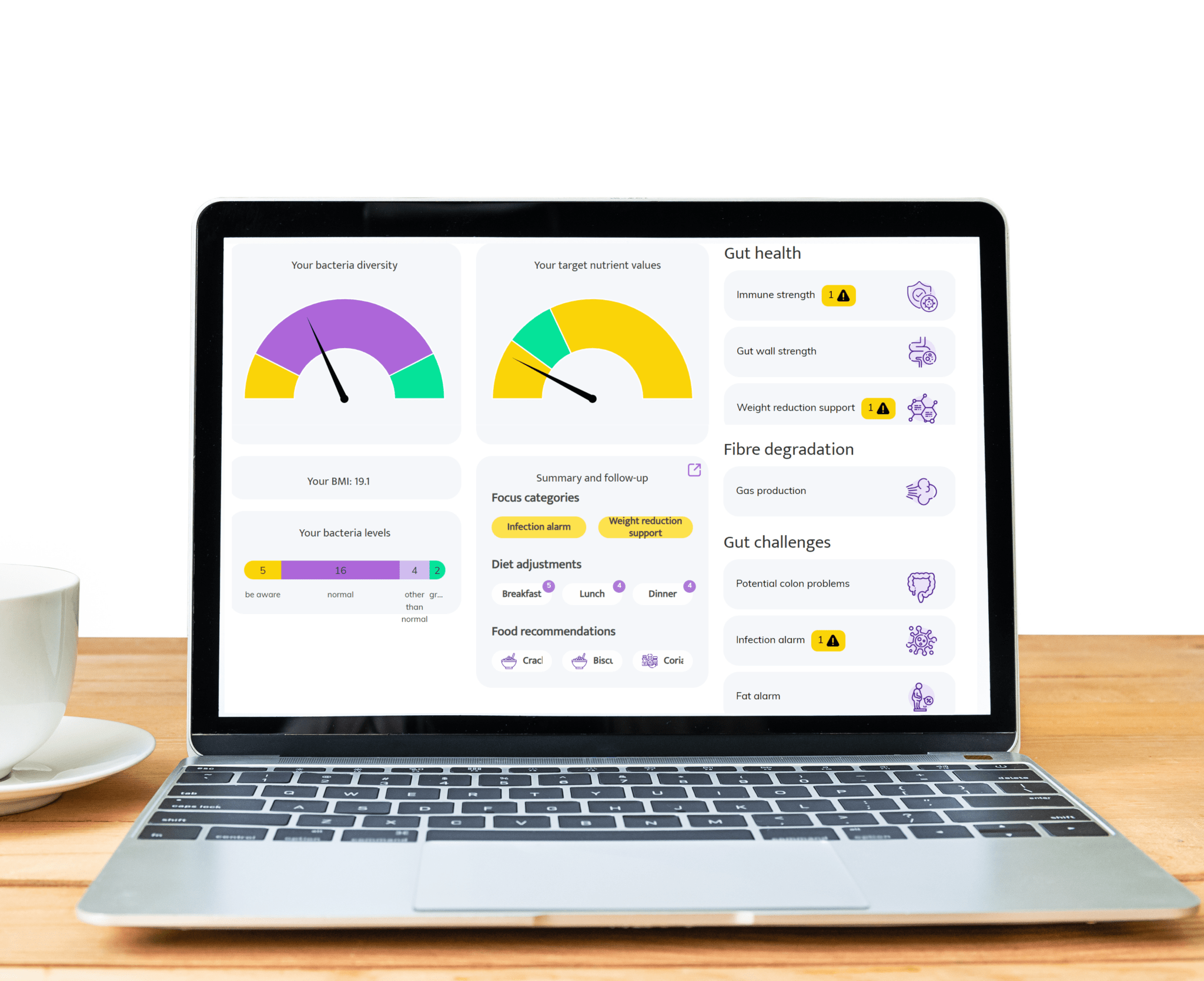
The laboratory may use 16S sequencing, shotgun metagenomics, or other methods. Results usually describe microbial diversity, the relative abundance of broad groups or species, and sometimes functional pathways or selected markers.
What At-Home Gut Tests Can Measure
Depending on the test, results may include:
- Bacterial diversity and balance
- Relative abundance of specific microbial groups
- Potential functions, such as fiber breakdown or short-chain fatty acid production
- Selected digestive, inflammatory, or metabolic markers
- Comparisons with reference groups, when available
Test panels vary widely. Some focus only on bacteria, while others include fungi, viruses, parasites, or functional markers. The value of a test depends on the method, the laboratory, and how clearly the report explains limitations.
Why the Gut Microbiome Matters
The gut microbiome is involved in digestion, the production of some vitamins and short-chain fatty acids, and the training and regulation of the immune system. It also communicates with the brain and other organs through the gut-brain axis. Research has linked changes in the gut microbiome, sometimes called dysbiosis, with digestive conditions, metabolic health, mood, sleep, and inflammatory conditions. These links are associations, not proof that the microbiome directly causes those conditions.
What At-Home Gut Testing Cannot Tell You
An at-home gut test cannot diagnose irritable bowel syndrome (IBS), inflammatory bowel disease (IBD), or most other digestive diseases. It also cannot prove that a particular microbe is causing your symptoms. Results are a snapshot that can be influenced by diet, recent illness, travel, medications, antibiotics, probiotics, and the timing of the sample. Use the report as educational information, not as a substitute for medical care.

Why People Buy an At-Home Gut Test
People often buy at-home gut tests because they want clearer information about a part of their health that can feel difficult to understand. Common reasons include ongoing bloating, irregular bowel habits, low energy, curiosity about the microbiome, or a desire to track how diet and lifestyle changes affect gut microbes. A test may provide a starting point, but it is not a personalized medical treatment plan.
Personalized Insights and Better Questions
A gut test report can describe patterns in microbial diversity and abundance that are unique to your sample. That information may help you ask more focused questions about fiber intake, fermented foods, stress, sleep, and supplements. It does not replace advice from a doctor or dietitian, especially if you have persistent or severe symptoms.
Tracking Changes Over Time
Some people use repeat testing to observe trends after changing their diet, taking probiotics, or modifying lifestyle habits. Trends can be interesting, but they should be interpreted cautiously. Microbiome results vary naturally over time, and different labs or testing methods may produce different results. If you retest, using the same service and method can make comparisons more meaningful.
What Accuracy Means in Practice
At-home gut health tests can be accurate enough to describe many of the microbes present in a stool sample, but accuracy varies by test, laboratory, sample collection, and timing. They are not equally reliable for clinical diagnosis, and two labs may report different results from the same sample. A test can provide useful clues and trends, but it should not be treated as a definitive measure of your overall health or as a diagnosis.
What At-Home Gut Testing Cannot Do
At-home gut testing cannot replace a medical evaluation, diagnose a disease, or determine the best treatment for a digestive condition. It also cannot predict with certainty how your health will change. If you have blood in your stool, unexplained weight loss, severe pain, fever, or symptoms that wake you at night, seek medical care rather than relying on a home test.

Why People Buy a Gut Health Test: Microbiome Testing Guide
Choosing an At-Home Gut Test and Using the Results
There is no single best gut test for everyone. The right choice depends on what you want to learn, how much detail you need, whether clinician support is included, and how the company handles your data. A test that is useful for one person may be unnecessary for another.
What to Look For
- A laboratory with recognized accreditation and transparent quality standards
- A clear explanation of the testing method, such as 16S sequencing or shotgun metagenomics
- Reports that explain limitations and avoid promising diagnoses
- Access to a healthcare professional, dietitian, or microbiome-trained clinician for interpretation
- Clear privacy policies and secure data handling
- Instructions that are easy to follow and a sample collection method that fits your routine
- Evidence-based recommendations rather than generic supplement sales
Preparing for an At-Home Gut Test
Follow the kit instructions closely. Many tests ask you to avoid antibiotics or probiotics for a period before sampling, unless a clinician has told you otherwise. Try to keep your diet and routine typical in the days before collection, and note recent travel, illness, or medication use because these can affect results. Collect the sample exactly as directed and return it within the recommended time frame.
Interpreting Your Results
A gut test report is not a simple scorecard. Higher diversity is often considered favorable in research, but there is no universal ideal microbiome, and a low or high number does not by itself mean you are healthy or unhealthy. Look for patterns that may be relevant to your symptoms, diet, and lifestyle, and discuss anything concerning with a qualified professional. Avoid making drastic changes based on a single result.
Turning Results Into Practical Steps
If you choose to act on your results, focus on gradual, low-risk changes:
- Eat a variety of fiber-rich plants, including vegetables, fruits, legumes, whole grains, nuts, and seeds
- Include fermented foods if you tolerate them
- Support sleep, stress management, and regular movement
- Review supplements with a clinician, especially if you take medication or have a health condition
- Retest only when there is a clear reason and enough time has passed for meaningful change
Gut Health Beyond Digestion: Mood, Sleep, and Immune Function
The gut microbiome does not work in isolation. It interacts with the nervous system, the immune system, and hormones involved in sleep and stress. At-home testing can add context to these areas, but it cannot diagnose mental health conditions, sleep disorders, or immune disorders.
The Gut-Brain Connection
Research suggests that the gut microbiome interacts with the brain through the gut-brain axis, and that this relationship may influence mood, stress response, and cognitive function. However, at-home gut testing does not diagnose anxiety, depression, brain fog, or other mental health conditions. It may support a broader review of diet, sleep, stress, and lifestyle, but it should not replace mental health care.
Stress, Sleep, and Recovery
Stress can affect digestion and gut microbes, and poor sleep may influence appetite, inflammation, and overall well-being. A gut test report may prompt useful reflection about these habits, but it is not a sleep study or a stress test. Use results as one piece of a larger picture.
Immune Function and Inflammation
The gut plays an important role in immune development and regulation. Changes in the microbiome have been associated with inflammation and some immune-related conditions, but testing does not directly measure immune resilience or predict infection risk. Results may provide context for a clinician, not a standalone explanation.
When to Talk to a Healthcare Professional
Seek medical advice if you notice:
- Blood in your stool or black stools
- Unexplained weight loss
- Severe or persistent abdominal pain
- Fever, night sweats, or symptoms that wake you from sleep
- A major change in bowel habits that lasts more than a few weeks
- Symptoms after travel or while taking antibiotics
- Known digestive conditions such as IBS, IBD, or celiac disease
A home test can be an additional source of information, but it should not delay appropriate medical care.

Practical Considerations and Frequently Asked Questions
At-home gut testing is becoming more accessible, but it works best as one part of a broader health picture. A balanced diet, regular movement, sleep, stress management, and routine medical care remain the foundations of gut health. Testing may add useful context, especially when results are interpreted with professional support.
Data Privacy and Medical Oversight
Before ordering a test, review how the company stores and shares your data. Look for clear privacy terms and understand whether your results may be used for research. Also consider whether the service includes access to a clinician who can help interpret results in the context of your symptoms and medical history.
How to Get the Most From an At-Home Gut Test
- Define what you want to learn before testing
- Choose a reputable test with transparent methods and privacy practices
- Follow preparation and collection instructions carefully
- Interpret results with a qualified professional if you have symptoms or health concerns
- Use results to guide gradual, evidence-based changes rather than drastic overhauls
- Retest only when there is a clear reason and enough time has passed
Are at-home gut health tests accurate?
They can provide useful information about microbial composition, but accuracy depends on the test, laboratory, sample, and timing. Results are not a definitive diagnosis, and they should be interpreted with caution.
How can I test my gut health at home?
Choose a reputable kit, follow the preparation instructions, collect the stool sample as directed, send it to the laboratory, and review the report. If you have symptoms, discuss the results with a healthcare professional.
What is the best gut test for home use?
There is no single best test. Look for an accredited laboratory, a transparent testing method, clear reports, privacy protections, and access to professional support. The best choice depends on your goal and health context.
What are the 7 signs of an unhealthy gut?
Common signs may include bloating or gas, bowel habit changes, reflux, fatigue, sleep problems, skin irritation, and food intolerances. These signs are nonspecific and do not confirm a gut disorder, so persistent symptoms should be evaluated by a clinician.
A Balanced Takeaway
At-home gut testing can offer insight into the microbes living in your gut and may help you make more informed choices about diet and lifestyle. It cannot diagnose disease, prove the cause of symptoms, or replace medical care. Used carefully and with realistic expectations, it can be a useful talking point on a broader path to better digestive wellness.
Find more details about Why People Buy an At-Home Gut Test
You can find more information on the related topics below.
Read more: How to Get the Most From an At-Home Gut Test
Your Gut Has a Story. Read It — Then Fix Potential Problems
Full microbiome sequencing + Gut Health Index. Metabolic pathways, diversity, keystone species. Personalized plans available (diet, supplements, diary, recipes). EU lab + Maastricht University spin-off + GDPR-safe.