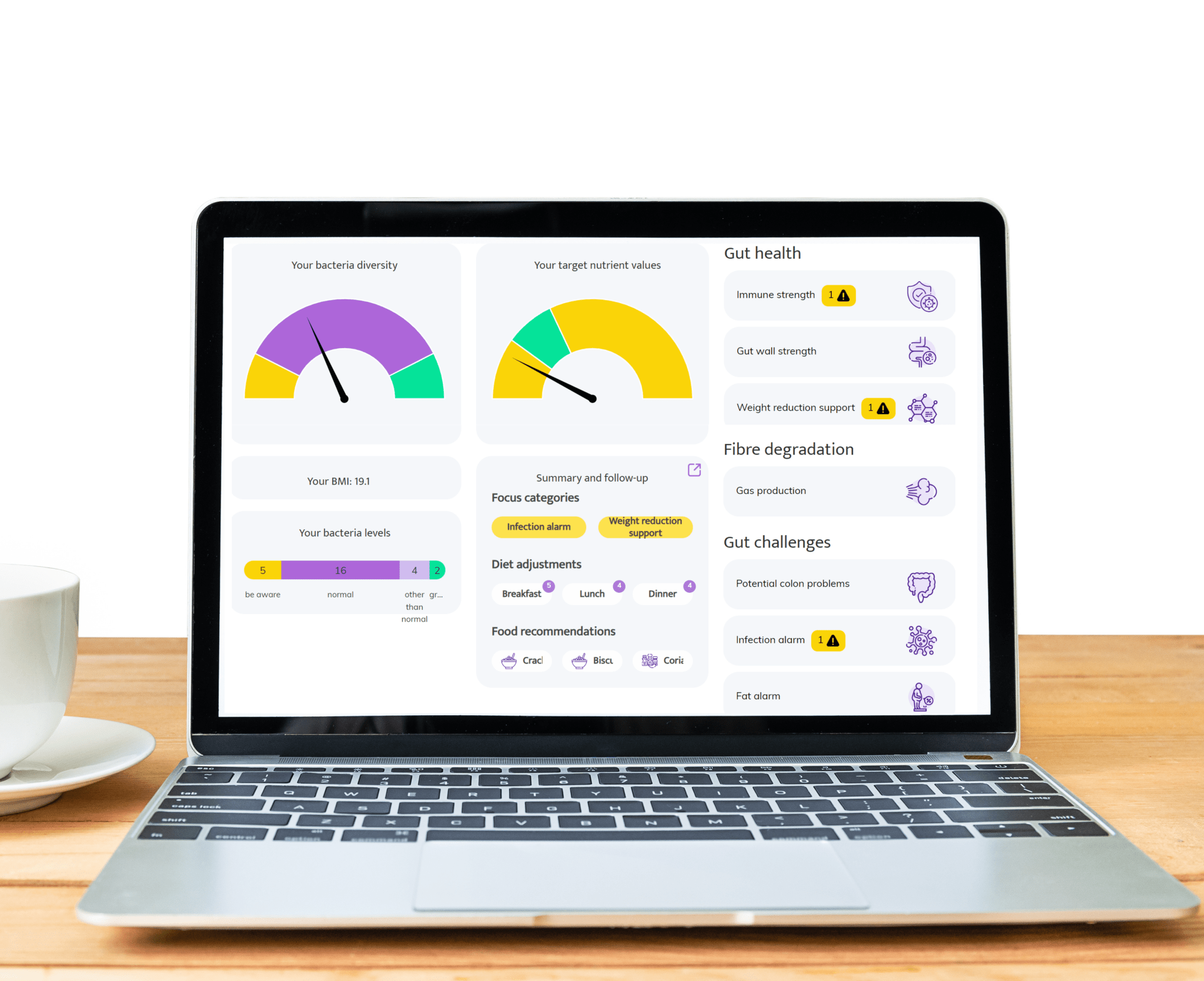
Emerging Trends in Beneficial Bacteria Testing Patterns: Insights into Gut Microbiome Dynamics

    innerbuddies gut microbiome testing

    Testing Patterns in Gut Bacteria: Decoding the Gut Microbiome's Dynamic Landscape

    Introduction to Emerging Trends in Beneficial Bacteria Testing Patterns

    The study of the gut microbiome has witnessed a remarkable surge in research and application over the past decade. Beneficial bacteria within the gut play a crucial role in maintaining overall health, influencing digestion, immunity, and even mental well-being. With advancements in technology and increased awareness, emerging trends in beneficial bacteria testing patterns offer new insights into gut microbiome dynamics.

    Understanding these patterns involves cutting-edge methodologies that allow scientists and clinicians to explore bacterial populations with unprecedented accuracy and depth. This knowledge is transforming the landscape of personalized medicine, probiotic development, and disease prevention.

    Understanding Beneficial Bacteria and the Gut Microbiome

    The gut microbiome comprises trillions of microorganisms, including bacteria, fungi, and viruses, residing primarily in the gastrointestinal tract. These microbes perform vital functions such as breaking down dietary fibers, synthesizing essential vitamins, regulating immune responses, and protecting against pathogenic invaders.

    Beneficial bacteria are a subset of these microbes, typically including Lactobacillus, Bifidobacterium, and Faecalibacterium species, known for their positive health impacts. The balance and diversity of these bacteria contribute significantly to maintaining gut homeostasis.

    Importance of Testing Beneficial Bacteria

    Testing patterns for beneficial bacteria are essential for:

    To achieve reliable results, these tests must be accurate, reproducible, and sensitive, driving the need for innovative testing approaches.

    Historical Perspectives on Bacterial Testing Methods

    Traditional methods of analyzing gut bacteria relied heavily on culture-based techniques, which had significant limitations due to many gut microbes being anaerobic or difficult to cultivate. These approaches often failed to represent the full microbial diversity.

    The introduction of molecular and genetic technologies revolutionized microbial testing. Techniques such as 16S rRNA gene sequencing enabled identification and quantification of bacteria without the need for culturing, unveiling a comprehensive picture of microbial communities.

    Today, the field is evolving rapidly as new trends and technologies emerge to address previous challenges, offering greater precision in understanding the gut microbiome dynamics.


    2-minute self-check Is a gut microbiome test useful for you? Answer a few quick questions and find out if a microbiome test is actually useful for you. ✔ Takes 2 minutes ✔ Based on your symptoms & lifestyle ✔ Clear yes/no recommendation Check if a test is right for me
    innerbuddies gut microbiome testing

    Advancements in Molecular Techniques for Beneficial Bacteria Testing

    Next-Generation Sequencing (NGS) Technologies

    Next-Generation Sequencing (NGS) has become a cornerstone technology for analyzing beneficial bacteria in the gut. It provides high-throughput, sensitive, and detailed profiling of microbial populations down to the species and even strain level.

    In particular, shotgun metagenomics allows researchers to sequence all genetic material in a sample, enabling functional analysis of the microbiome alongside taxonomic profiling. This advancement fuels better understanding of bacterial contributions to metabolism, immunity, and disease.

    16S rRNA Gene Sequencing Improvements

    Refinements in 16S rRNA gene sequencing, such as enhanced primer selection and bioinformatic pipelines, have improved specificity and accuracy. This technique remains widely used due to its cost-effectiveness and ability to classify bacteria within complex communities.

    Combined with advanced computational tools, 16S sequencing offers insights into the relative abundances of beneficial bacteria and how these profiles shift in response to environmental factors or interventions.

    Emergence of Multi-omics Approaches

    Multi-omics approaches integrate data from genomics, transcriptomics, proteomics, and metabolomics to provide a holistic view of gut microbiome function and dynamics. Notably:

    The integration of these layers enables more comprehensive insights compared to traditional DNA sequencing alone.

    Role of Bioinformatics and Machine Learning

    The vast datasets generated by advanced molecular techniques necessitate powerful bioinformatics tools. Machine learning algorithms are increasingly utilized to identify patterns, predict bacterial functions, and correlate microbiome profiles with health outcomes.

    These computational advances facilitate the development of predictive models and personalized assessments, enabling clinicians to tailor interventions based on an individual's unique microbiome.

    innerbuddies gut microbiome testing

    Testing Patterns in Gut Bacteria: Decoding the Gut Microbiome's Dynamic Landscape

    Innovative Sampling and Testing Protocols in Beneficial Bacteria Research

    Non-Invasive Sampling Techniques

    Emerging trends emphasize minimally invasive or non-invasive sample collection to increase patient compliance and enable frequent monitoring. Stool samples remain the standard but are complemented by:

    These alternative approaches expand the scope of gut microbiome studies, allowing enriched data on bacterial dynamics.

    Longitudinal and Temporal Testing Patterns

    Addressing the dynamic nature of the gut microbiome requires longitudinal study designs. Repeated sampling over time reveals the temporal fluctuations of beneficial bacterial populations influenced by diet, lifestyle, medications, and disease states.

    Emerging testing frameworks utilize frequent sampling combined with high-resolution sequencing to capture these changes, facilitating early detection of dysbiosis and monitoring of therapeutic efficacy.

    Standardization and Quality Control in Testing

    Standardizing sample processing, DNA extraction, sequencing protocols, and data analysis is a major trend enhancing reproducibility across studies. International consortia and regulatory bodies are working to establish benchmarks, reference databases, and best practices.

    Such standardization is crucial to validate beneficial bacteria testing as a clinical tool and promote its widespread application.

    Integration with Electronic Health Records (EHR)

    Combining microbiome data with patient health records supports the development of integrative models for personalized medicine. This approach facilitates correlation analyses between beneficial bacteria patterns and clinical parameters, enhancing diagnosis and patient management.

    Systems enabling the streamlined collection and interpretation of testing results promote real-time feedback for healthcare providers.

    2-minute self-check Is a gut microbiome test useful for you? Answer a few quick questions and find out if a microbiome test is actually useful for you. ✔ Takes 2 minutes ✔ Based on your symptoms & lifestyle ✔ Clear yes/no recommendation Check if a test is right for me
    innerbuddies gut microbiome testing

    Clinical and Therapeutic Applications of Beneficial Bacteria Testing

    Personalized Probiotic Therapies

    One of the most promising applications of beneficial bacteria testing involves formulating personalized probiotic therapies. By identifying deficiencies or imbalances in an individual’s microbiota, clinicians can recommend targeted probiotic strains to restore balance and improve gut health.

    Advances in sequencing and bioinformatics enable the selection of strains with specific functional capabilities relevant to each patient’s condition, moving beyond generic probiotic supplementation.

    Diagnostic Biomarkers for Disease

    Testing patterns of beneficial bacteria serve as diagnostic biomarkers for a variety of conditions, including:

    Identifying specific bacterial signatures aids in early detection, risk stratification, and monitoring disease progression or response to therapy.

    Microbiome Modulation in Therapeutic Strategies

    Testing enables informed modulation of the gut microbiome through diet, prebiotics, probiotics, synbiotics, and fecal microbiota transplantation (FMT). The data guide selection and timing of these interventions for maximum therapeutic benefit, tailored to the unique microbiome profile of patients.

    Implications for Antibiotic Stewardship

    Monitoring beneficial bacteria informs strategies to minimize the collateral damage of antibiotic therapies on the microbiome. Personalized testing patterns guide the choice and duration of antibiotics, as well as post-treatment microbiome restoration protocols.

    innerbuddies gut microbiome testing

    Future Directions and Challenges in Beneficial Bacteria Testing

    Integration of Artificial Intelligence in Microbiome Analysis

    The future of beneficial bacteria testing lies heavily in the integration of artificial intelligence (AI) and advanced machine learning techniques. These tools promise to:

    Such progress will further personalize healthcare and expand the utility of microbiome research.

    Development of Point-of-Care Testing Devices

    Emerging technologies are focused on creating rapid, user-friendly point-of-care devices capable of analyzing beneficial bacteria on-site. These innovations could revolutionize clinical workflows by providing immediate insights without lengthy laboratory processing.

    Portable sequencing platforms and biosensors are examples that might be widely implemented in the near future.

    Addressing Ethical and Privacy Concerns

    As microbiome data become integrated into healthcare, ensuring patient privacy and ethical use of information is critical. Emerging trends include developing robust data security measures and transparent consent frameworks.

    Challenges in Scalability and Accessibility

    Despite technological advances, challenges remain in making beneficial bacteria testing affordable and accessible worldwide. Efforts to reduce costs, simplify protocols, and increase public awareness are essential to democratize microbiome-based health solutions.

    Conclusion

    Emerging trends in beneficial bacteria testing patterns are transforming our understanding of gut microbiome dynamics. Continuous advancements in molecular technologies, sampling methods, and computational analysis are unlocking the potential to improve health outcomes through personalized medicine.

    The integration of these innovations promises a future where real-time monitoring, targeted therapies, and comprehensive microbiome health assessments become routine components of medical practice, ushering in a new era of gut health management.

    Read more: Emerging Trends in Beneficial Bacteria Testing and Gut Microbiome Insights

    Areas where InnerBuddies gut microbiome testing can make a significant impact

    • Digestive Health

      Gut discomfort like bloating, constipation, gas, or diarrhea often stems from an imbalance in gut bacteria. InnerBuddies analyzes the composition and diversity of your gut microbiome, identifying specific imbalances such as low fiber-fermenting bacteria or an overgrowth of gas-producing microbes.

      By pinpointing the root causes of digestive issues, InnerBuddies provides personalized, evidence-based recommendations to support digestion. Whether through targeted diet changes, prebiotics, or probiotics, users can take actionable steps to restore harmony and improve GI comfort.

    • Immune Function

      Over 80% of the immune system resides in the gut, and a diverse microbiome plays a key role in training immune cells to respond appropriately. InnerBuddies helps users assess their microbiome’s ability to support immune balance and resilience.

      Low microbial diversity or the presence of inflammatory bacteria may indicate a weakened defense system. InnerBuddies delivers tailored suggestions—like anti-inflammatory foods or immune-supportive nutrients—to help build a stronger, more balanced immune response.

    • Mental Health & Mood (Gut-Brain Axis)

      Emerging research shows that your microbiome influences neurotransmitters like serotonin, dopamine, and GABA, directly affecting mood and stress levels. InnerBuddies evaluates gut-brain axis markers to explore how your microbes may be impacting your mental well-being.

      With insight into bacterial strains associated with anxiety, depression, or stress resilience, InnerBuddies can guide personalized strategies to help improve emotional balance—ranging from fiber-rich diets to psychobiotic supplements.

    • Weight Management & Metabolism

      Certain gut bacteria can extract more energy from food and influence fat storage, insulin sensitivity, and appetite hormones. InnerBuddies assesses metabolic markers in your microbiome profile to help reveal how your gut may be impacting your weight.

      With tailored advice on foods that support healthy metabolism—such as resistant starches or polyphenol-rich plants—InnerBuddies empowers users to make microbially informed decisions that complement their health goals and weight management strategies.

    • Skin Health

      Skin conditions like acne, eczema, and rosacea are increasingly linked to gut imbalances and systemic inflammation. InnerBuddies analyzes your microbiome to detect patterns that may contribute to inflammatory skin responses.

      By supporting gut barrier integrity and reducing pro-inflammatory microbes, the recommendations from InnerBuddies can help improve skin from the inside out—encouraging a clearer complexion and fewer flare-ups through gut-skin axis awareness.

    • Personalized Nutrition

      Not all foods are beneficial for every gut. InnerBuddies delivers customized nutrition insights based on your unique microbial profile—identifying foods that nourish beneficial bacteria and flagging those that may trigger dysbiosis.

      This personalized approach helps users move beyond one-size-fits-all diets and embrace gut-friendly nutrition strategies. Whether you’re optimizing for energy, digestion, or longevity, InnerBuddies transforms your microbiome data into actionable meal plans.

    Hear from our satisfied customers!

    • "I would like to let you know how excited I am. We had been on the diet for about two months (my husband eats with us). We felt better with it, but how much better was really only noticed during the Christmas vacations when we had received a large Christmas package and didn't stick to the diet for a while. Well that did give motivation again, because what a difference in gastrointestinal symptoms but also energy in both of us!"

      - Manon, age 29 -

    • "Super help!!! I was already well on my way, but now I know for sure what I should and should not eat, drink. I have been struggling with stomach and intestines for so long, hope I can get rid of it now."

      - Petra, age 68 -

    • "I have read your comprehensive report and advice. Many thanks for that and very informative. Presented in this way, I can certainly move forward with it. Therefore no new questions for now. I will gladly take your suggestions to heart. And good luck with your important work."

      - Dirk, age 73 -