Digestive Balance: Foods & Diet Strategies for a Healthy Gut Microbiome

    innerbuddies gut microbiome testing

    Fuel Your Microbiome: How Foods & Diet Shape a Healthier Gut

    Understanding the Gut Microbiome: Foundations for Digestive Balance

    The term gut microbiome refers to the trillions of microorganisms — bacteria, viruses, fungi, and other microbes — that live in your digestive tract. These tiny inhabitants play a powerful role in digestion, immune function, mood regulation, and overall metabolic health. Achieving digestive balance means cultivating a diverse, resilient microbiome that supports nutrient absorption, reduces inflammation, and helps prevent gastrointestinal disorders.

    Why the Gut Microbiome Matters

    A healthy gut microbiome contributes to:

    Key Concepts: Diversity, Resilience, and Balance

    Diversity is one of the most important markers of a healthy microbiome. A wide range of microbial species helps the gut adapt to different foods and stresses. Resilience refers to the microbiome’s ability to bounce back after disruptions like antibiotics, illness, or dietary changes. Balance means beneficial microbes predominate and opportunistic organisms remain in check.

    Common Disruptors of Digestive Balance

    Several lifestyle and environmental factors can disturb the gut microbiome and lead to symptoms like bloating, irregular stools, gas, and discomfort. Common disruptors include:

    How Food Influences the Microbiome

    Diet is the most direct and powerful tool to shape your gut microbiome. Foods act as substrates — some feed beneficial microbes (prebiotics), others introduce live microorganisms (probiotics), and many provide polyphenols and fibers that feed a diverse microbial community. Regular patterns of eating and the combination of nutrients influence which species thrive.

    Measuring Gut Health: What to Look For

    Although microbiome testing exists, practical measures of gut health rely on symptoms and function. Look for:

    While testing can offer insights into specific microbial populations, the foundational approach is often the same: emphasize diverse, fiber-rich, minimally processed foods and support healthy lifestyle habits.

    SEO Keywords to Keep in Mind

    Throughout this guide you'll find practical strategies and food suggestions designed to improve the gut microbiome, promote digestive balance, increase microbial diversity, and support overall digestive wellness. These keywords — healthy gut, prebiotics, probiotics, fiber-rich foods, and fermented foods — are repeated purposefully to help reinforce the most effective, evidence-backed approaches.

    Next, we’ll dive into specific foods that support digestive balance, grouped by their role: prebiotics, probiotics, fiber, polyphenols, and anti-inflammatory options. This will help you choose foods that actively nourish and diversify your microbiome.

    innerbuddies gut microbiome testing

    Foods That Support Digestive Balance: Prebiotics, Probiotics, and Fiber-Rich Choices

    Prebiotics: Food for Beneficial Bacteria

    Prebiotics are nondigestible food components that selectively stimulate the growth and activity of beneficial gut microbes. Including prebiotic-rich foods regularly is essential to building a resilient microbiome.

    Probiotics: Fermented Foods that Deliver Live Microbes

    Probiotics are live microorganisms which, when consumed in adequate amounts, confer health benefits. Natural sources of probiotics are fermented foods.

    While probiotic supplements can be helpful for specific conditions, food-based sources are generally recommended for sustainable, daily use. Aim to rotate fermented foods to introduce a variety of strains.

    Fiber: The Cornerstone of a Healthy Gut

    Dietary fiber is the single most important dietary factor for maintaining gut health and digestive balance. Fiber is fermented by gut bacteria into short-chain fatty acids (SCFAs) like butyrate, acetate, and propionate — compounds that nourish colon cells and reduce inflammation.

    Polyphenols and Plant Compounds

    Polyphenols — antioxidant compounds in tea, coffee, berries, dark chocolate, olives, and spices — are metabolized by gut microbes and support beneficial species growth. Polyphenol-rich foods have prebiotic-like effects and help reduce gut inflammation.

    Anti-Inflammatory Foods and Fats

    Dietary fats influence the microbiome differently. Emphasize anti-inflammatory fats and limit processed seed oils and trans fats.

    Foods to Limit for Digestive Balance

    To maintain a healthy gut microbiome and achieve digestive balance, consider reducing:

    In summary, prioritize a variety of whole, minimally processed plant foods, include fermented items regularly, and balance macronutrients with an emphasis on fiber and healthy fats. In the next section, we'll convert these food choices into practical diet strategies and meal planning tips to help you implement changes that support long-term digestive balance.

    innerbuddies gut microbiome testing

    Fuel Your Microbiome: How Foods & Diet Shape a Healthier Gut

    Diet Strategies and Meal Planning for a Healthy Gut

    Principles of a Microbiome-Friendly Diet

    A successful dietary approach for a healthy gut microbiome follows a few key principles: variety, regular inclusion of prebiotic and probiotic foods, adequate fiber intake, moderation of processed foods, and attention to individual tolerance. Implementing these principles will help create a diet that supports microbial diversity and digestive balance.

    Practical Meal Planning Tips

    Small planning habits can make a big difference for maintaining digestive balance. Consider these strategies:

    Meal Examples That Promote Digestive Balance

    Below are sample meal ideas that combine probiotic, prebiotic, fiber, and anti-inflammatory components.

    Timing and Eating Patterns

    How and when you eat can also influence microbial rhythms and gut health. Consider these practical tips:

    Adapting for Specific Conditions

    Some people require tailored strategies. Common adaptations include:

    Combining Foods for Synergy

    Pairing prebiotic-rich foods with probiotics (a concept known as synbiotics) can improve probiotic efficacy. For example, serve yogurt with berries and oats, or sauerkraut with roasted potatoes. This synergy helps ensure the introduced microbes have the substrates they need to establish and perform.

    Next, we'll explore lifestyle factors and simple recipes and rituals that reinforce digestive balance. These approaches — sleep, stress management, movement, and meal-specific recipes — complement dietary strategies and help sustain a healthy gut over the long term.

    innerbuddies gut microbiome testing

    Lifestyle, Habits, and Recipes to Nurture Your Microbiome

    Lifestyle Factors that Shape Gut Health

    Diet is foundational but lifestyle habits are powerful modifiers of the gut microbiome. Incorporate consistent practices to protect and enhance digestive balance.

    Practical Daily Rituals for a Healthy Gut

    Small, sustainable rituals are more effective than dramatic but unsustainable changes. Try these daily habits:

    Simple Recipes to Promote Digestive Balance

    These recipe ideas are designed to be easy, microbiome-supportive, and delicious.

    Travel and Social Eating Strategies

    Maintaining gut health while traveling or eating out is achievable with simple tactics:

    Tracking Progress and When to Seek Help

    Monitor digestive balance by tracking symptoms: stool consistency (Bristol Stool Chart can help), frequency, bloating episodes, energy, and mood. If you experience persistent severe symptoms — unexplained weight loss, blood in stool, severe pain, or prolonged diarrhea — consult a healthcare professional. For chronic functional symptoms, consider working with a registered dietitian or gastroenterologist who specializes in gut microbiome approaches.

    Next, we'll cover troubleshooting common challenges, the role of supplements, and long-term strategies to optimize gut health. These practical solutions will help you maintain digestive balance and adapt to life changes while protecting your microbiome.

    innerbuddies gut microbiome testing

    Troubleshooting, Supplements, and Long-Term Gut Optimization

    Addressing Common Digestive Challenges

    Even with an optimal diet, many people encounter setbacks. Here are evidence-based approaches to common issues:

    The Role of Probiotic and Prebiotic Supplements

    Supplements can be useful adjuncts when used appropriately. Key considerations:

    Long-Term Strategies for a Resilient Microbiome

    Building lasting digestive balance means adopting sustainable habits rather than short-term fixes. Key long-term strategies include:

    Personalizing Your Approach

    No single diet fits everyone. Personalization is key. Work with a qualified clinician or registered dietitian when:

    Nutrition professionals can help interpret testing, guide therapeutic diets, and monitor for nutrient deficiencies while optimizing gut-focused strategies.

    Actionable Takeaways for Digestive Balance

    Final Thoughts: Building Sustainable Habits

    Digestive balance emerges from consistent, diverse food choices and supportive lifestyle practices. By focusing on whole foods — especially fiber-rich plants, fermented items, and healthy fats — and by managing stress and sleep, you create a gut environment where beneficial microbes can thrive. Small, sustainable changes implemented over time often yield the most meaningful improvements in gut health, energy, and overall well-being.

    This comprehensive approach to the gut microbiome supports long-term digestive balance, reduced inflammation, and improved metabolic and mental health. Adopt the strategies that fit your life, monitor your symptoms, and refine your plan to achieve a resilient, healthy gut.

    Read more: Digestive Balance - Foods & Diet Strategies to Support the Gut Microbiome

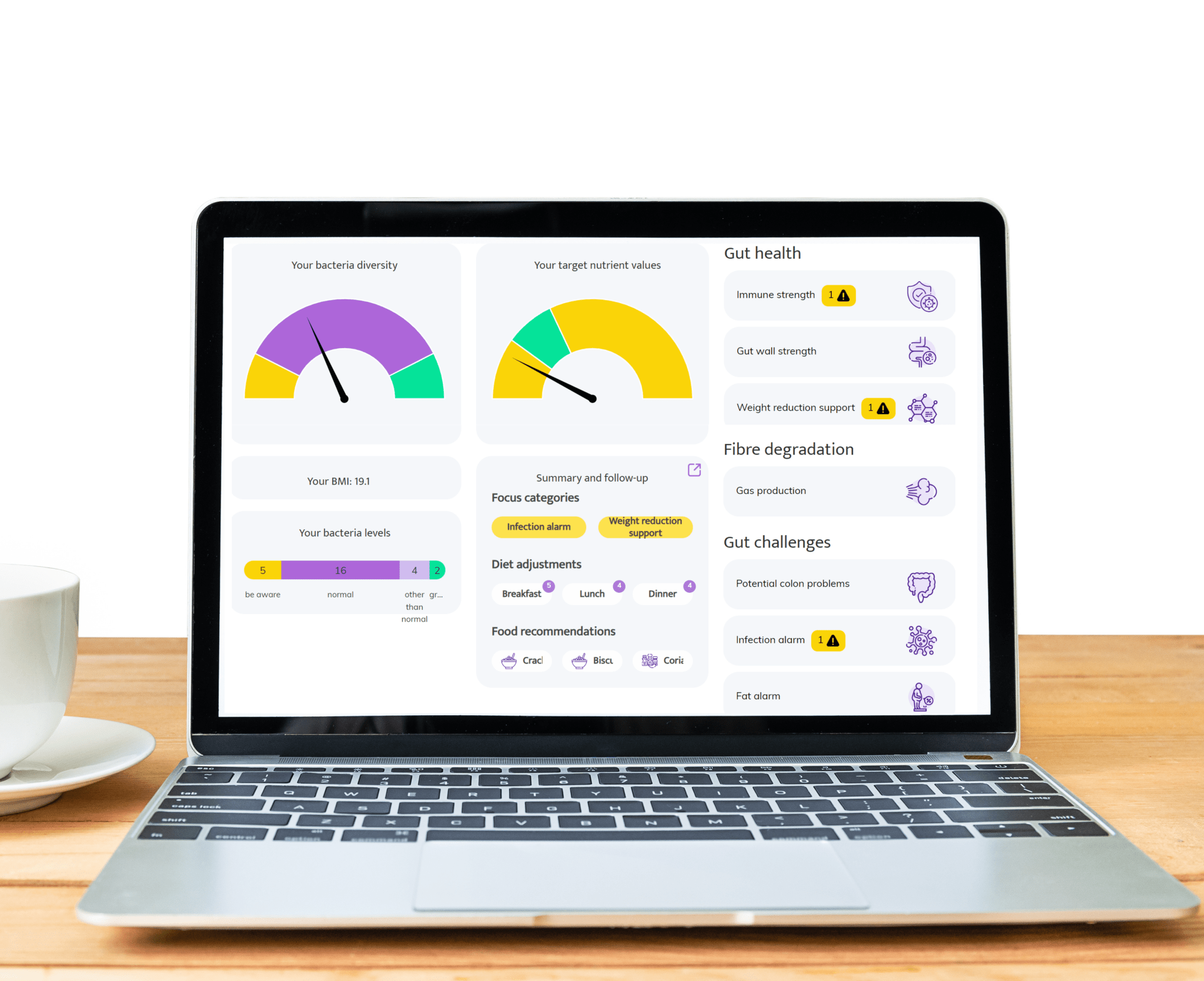
    Areas where InnerBuddies gut microbiome testing can make a significant impact

    • Digestive Health

      Gut discomfort like bloating, constipation, gas, or diarrhea often stems from an imbalance in gut bacteria. InnerBuddies analyzes the composition and diversity of your gut microbiome, identifying specific imbalances such as low fiber-fermenting bacteria or an overgrowth of gas-producing microbes.

      By pinpointing the root causes of digestive issues, InnerBuddies provides personalized, evidence-based recommendations to support digestion. Whether through targeted diet changes, prebiotics, or probiotics, users can take actionable steps to restore harmony and improve GI comfort.

    • Immune Function

      Over 80% of the immune system resides in the gut, and a diverse microbiome plays a key role in training immune cells to respond appropriately. InnerBuddies helps users assess their microbiome’s ability to support immune balance and resilience.

      Low microbial diversity or the presence of inflammatory bacteria may indicate a weakened defense system. InnerBuddies delivers tailored suggestions—like anti-inflammatory foods or immune-supportive nutrients—to help build a stronger, more balanced immune response.

    • Mental Health & Mood (Gut-Brain Axis)

      Emerging research shows that your microbiome influences neurotransmitters like serotonin, dopamine, and GABA, directly affecting mood and stress levels. InnerBuddies evaluates gut-brain axis markers to explore how your microbes may be impacting your mental well-being.

      With insight into bacterial strains associated with anxiety, depression, or stress resilience, InnerBuddies can guide personalized strategies to help improve emotional balance—ranging from fiber-rich diets to psychobiotic supplements.

    • Weight Management & Metabolism

      Certain gut bacteria can extract more energy from food and influence fat storage, insulin sensitivity, and appetite hormones. InnerBuddies assesses metabolic markers in your microbiome profile to help reveal how your gut may be impacting your weight.

      With tailored advice on foods that support healthy metabolism—such as resistant starches or polyphenol-rich plants—InnerBuddies empowers users to make microbially informed decisions that complement their health goals and weight management strategies.

    • Skin Health

      Skin conditions like acne, eczema, and rosacea are increasingly linked to gut imbalances and systemic inflammation. InnerBuddies analyzes your microbiome to detect patterns that may contribute to inflammatory skin responses.

      By supporting gut barrier integrity and reducing pro-inflammatory microbes, the recommendations from InnerBuddies can help improve skin from the inside out—encouraging a clearer complexion and fewer flare-ups through gut-skin axis awareness.

    • Personalized Nutrition

      Not all foods are beneficial for every gut. InnerBuddies delivers customized nutrition insights based on your unique microbial profile—identifying foods that nourish beneficial bacteria and flagging those that may trigger dysbiosis.

      This personalized approach helps users move beyond one-size-fits-all diets and embrace gut-friendly nutrition strategies. Whether you’re optimizing for energy, digestion, or longevity, InnerBuddies transforms your microbiome data into actionable meal plans.

    Hear from our satisfied customers!

    • "I would like to let you know how excited I am. We had been on the diet for about two months (my husband eats with us). We felt better with it, but how much better was really only noticed during the Christmas vacations when we had received a large Christmas package and didn't stick to the diet for a while. Well that did give motivation again, because what a difference in gastrointestinal symptoms but also energy in both of us!"

      - Manon, age 29 -

    • "Super help!!! I was already well on my way, but now I know for sure what I should and should not eat, drink. I have been struggling with stomach and intestines for so long, hope I can get rid of it now."

      - Petra, age 68 -

    • "I have read your comprehensive report and advice. Many thanks for that and very informative. Presented in this way, I can certainly move forward with it. Therefore no new questions for now. I will gladly take your suggestions to heart. And good luck with your important work."

      - Dirk, age 73 -