Unlocking the Gut Benefits of Apple Cider Vinegar: Enhancing Digestion & Microbiome Health

Digestive Balance: Foods & Diet Strategies to Support the Gut Microbiome
Understanding Apple Cider Vinegar and Its Role in Gut Health
Apple cider vinegar (ACV) has become a popular natural remedy lauded for its impressive health benefits, particularly when it comes to gut health. Made through a fermentation process that converts apple sugars into acetic acid, ACV contains a variety of bioactive compounds. These contribute to its unique properties and efficacy in promoting digestive wellness.
What Is Apple Cider Vinegar?
Apple cider vinegar is produced through a two-step fermentation process. First, apples are crushed and exposed to yeast, which ferments the sugars and turns them into alcohol. Next, acetic acid bacteria convert this alcohol into acetic acid, the main active component in vinegar. This acetic acid is responsible for ACV’s sharp taste and many of its purported health benefits.
Crucially, unfiltered and unpasteurized apple cider vinegar contains the “mother” — strands of proteins, enzymes, and beneficial bacteria that support health. This makes it especially valuable when seeking to improve digestion and the balance of the gut microbiome.
The Gut Microbiome: A Key to Overall Health
The gut microbiome refers to the trillions of bacteria, viruses, and fungi that reside in the digestive tract. These microorganisms play a vital role in digestion, immune function, and even mental health. A balanced and diverse microbiome helps ensure the proper breakdown of food, absorption of nutrients, and protection against harmful pathogens.
When the microbiome is disrupted, either by poor diet, stress, or illness, it may lead to digestive issues such as bloating, constipation, and inflammation. Apple cider vinegar, with its natural acidity and probiotic-like properties, can help promote a healthy microbiome balance.
How ACV Supports Digestion
ACV’s acidic nature helps increase stomach acid production, which is essential for the effective breakdown of food. Adequate stomach acid aids in the digestion of proteins, activates digestive enzymes, and prevents bacterial overgrowth in the stomach and small intestine.
Moreover, ACV can stimulate the production of bile, which is critical for fat digestion and absorption. Improved fat digestion supports nutrient uptake and gut motility, ensuring waste is efficiently eliminated from the body.
The benefits extend beyond simple digestion enhancement. ACV's ability to modulate the gut bacteria produces a synergistic effect that supports long-term gut health and overall well-being.
Summary
Understanding the nature of apple cider vinegar and the complexity of the gut microbiome establishes a strong foundation for appreciating how ACV can be used as a tool for gut health. It is much more than a condiment; it is a potent natural tonic that enhances digestion and fosters a balanced microbiome.

The Science Behind Apple Cider Vinegar and Digestive Health
Acetic Acid: The Powerhouse Compound
The primary component of apple cider vinegar, acetic acid, is responsible for many of its digestive health benefits. Studies have shown that acetic acid can inhibit the growth of harmful bacteria in the gut while encouraging the proliferation of beneficial bacteria such as Lactobacillus and Bifidobacterium.
By maintaining this delicate balance, ACV supports gut barrier integrity, reducing inflammation and improving gastrointestinal function. Furthermore, acetic acid assists in lowering stomach pH, optimizing enzyme activity crucial for protein and carbohydrate digestion.
Impact on Gut Microbiota Composition
Emerging research highlights how diet and supplements impact gut microbiota diversity—a key marker of gut health. Apple cider vinegar appears to positively influence this ecosystem by acting as a mild antimicrobial agent that selectively targets pathogenic bacteria while sparing and encouraging beneficial strains.
This selective antimicrobial property helps prevent dysbiosis, a microbial imbalance linked with digestive disorders like irritable bowel syndrome (IBS) and inflammatory bowel disease (IBD). By fostering a more balanced microbiota composition, ACV intake can reduce symptoms such as cramping, diarrhea, and excessive gas production.
Enzymatic Activity Enhancement
Another vital mechanism by which ACV improves digestion is its influence on digestive enzymes. ACV consumption has been linked with enhanced activity of enzymes like pepsin and amylase, enzymes responsible for breaking down proteins and carbohydrates respectively.
This enzymatic boost allows for more efficient nutrient breakdown and assimilation, which can reduce undigested food residues in the colon and minimize bloating and discomfort.
Blood Sugar Regulation and Its Effect on Digestion
While often discussed primarily for its metabolic benefits, apple cider vinegar’s ability to improve insulin sensitivity and moderate blood sugar levels indirectly benefits digestive health. Stable blood sugar levels prevent spikes and crashes which can trigger inflammation and negatively affect gut function.
Consuming ACV before meals has been shown to slow gastric emptying, the process through which food leaves the stomach and enters the small intestine. This slower digestion rate enhances nutrient absorption and provides a steady energy supply, easing digestive strain.
Summary
The scientific foundation underlying apple cider vinegar’s ability to support digestion is robust and multifaceted. Through its acetic acid content, modulation of microbiota, promotion of enzymatic activity, and influence on blood sugar control, ACV stands out as a valuable asset for gut health management.

Digestive Balance: Foods & Diet Strategies to Support the Gut Microbiome
Practical Ways to Incorporate Apple Cider Vinegar Into Your Diet for Optimal Gut Health
Choosing the Right Apple Cider Vinegar
For maximum gut health benefits, it is essential to opt for raw, unfiltered, organic apple cider vinegar containing the “mother”. This form preserves the naturally occurring enzymes and probiotics that contribute significantly to digestive enhancement and microbial balance.
Many commercial vinegars are pasteurized and filtered, removing these vital components and diminishing efficacy. Reading product labels carefully or selecting trusted brands will ensure you get the most potent version for your gut health needs.
How to Use ACV Safely
Apple cider vinegar is highly acidic and can be harsh on tooth enamel or the stomach lining when consumed undiluted. To protect your oral health, always dilute 1 to 2 tablespoons of ACV in at least 8 ounces of water before drinking.
Drinking ACV through a straw can help minimize contact with teeth and thus reduce enamel erosion. Additionally, avoid consuming ACV on an empty stomach if you have a sensitive digestive system to prevent irritation.
Timing and Dosage Recommendations
For digestive support and microbiome enhancement, taking ACV before meals is ideal. This timing boosts stomach acid production and enzyme activity, priming the digestive system for food breakdown.
Standard dosages typically range from 1 to 2 tablespoons diluted in water daily. Starting with smaller amounts and gradually increasing allows your body to adapt and reduces the risk of acidity-related discomfort.
Recipe Ideas Featuring Apple Cider Vinegar
Incorporating ACV into your meals can be both delicious and functional. Here are some ideas to get started:
Pairing ACV With Other Gut-Enhancing Foods
Amplify the gut benefits by combining apple cider vinegar with other functional foods such as:
Such culinary pairings can create a holistic approach that boosts your digestive health and fosters a thriving microbiome.
Common Concerns and Precautions When Using Apple Cider Vinegar for Gut Health
Potential Side Effects
Although apple cider vinegar is generally considered safe, some individuals may experience minor side effects when consumed in excess or without proper dilution. Common issues include:
To minimize risks, always dilute ACV and consult a healthcare professional if you have underlying medical conditions or take prescription medications.
Who Should Avoid Apple Cider Vinegar?
While many people benefit from incorporating ACV, some groups should exercise caution or avoid its use altogether:
Balancing ACV Use With Overall Diet
ACV is not a cure-all, and its benefits are maximized when integrated into a balanced diet rich in whole foods, fiber, and adequate hydration. Avoid relying solely on ACV for gut health improvement; instead, view it as part of a comprehensive digestive wellness strategy.
Combining ACV with regular exercise, stress management, and sufficient sleep supports the gut-brain axis and fosters a healthy microbiome environment. These lifestyle factors are often overlooked but crucial for long-term digestive well-being.
Monitoring Your Body’s Response
Individual tolerance to apple cider vinegar varies widely. Keep track of how you feel after consuming ACV and adjust accordingly. Signs of improvement include reduced bloating, enhanced digestion, and more regular bowel movements. Conversely, if discomfort arises, reduce dosage or discontinue use.
Summary
Being mindful of potential risks and embracing a cautious, well-informed approach ensures that apple cider vinegar can be enjoyed safely and effectively for gut health enhancement.

The Long-Term Impact of Apple Cider Vinegar on Microbiome Health and Digestive Wellness
Supporting Microbial Diversity Over Time
Long-term incorporation of ACV into the diet can foster a richer and more diverse gut microbiome. Research suggests that the regular intake of functional foods like ACV promotes the growth of beneficial bacteria strains, which in turn supports immune resilience and reduces susceptibility to infections.
This enhanced microbial environment contributes to efficient digestion, lower inflammation, and improved synthesis of vital nutrients such as vitamin K and certain B vitamins.
Improvement in Digestive Disorders With Continued Use
Some clinical evidence indicates that sustained apple cider vinegar use may help alleviate symptoms associated with chronic digestive conditions. For example, patients with mild acid reflux or indigestion report relief through enhanced acid regulation provided by ACV.
Additionally, regular intake may reduce episodes of bloating and gas by promoting proper enzymatic function and gut motility. While not a replacement for medical treatment, ACV is a supportive adjunct in managing digestive health.
Synergistic Effects With a Probiotic and Prebiotic-Rich Lifestyle
By coupling apple cider vinegar use with the consumption of probiotics (live beneficial bacteria) and prebiotics (their food sources), users can achieve enhanced improvements in gut microbiome health. This creates a positive feedback loop where ACV and these foods support each other’s efficacy.
Potential Research Directions and Innovations
Scientists continue to explore the precise impact of apple cider vinegar on the gut microbiome, including its effects on specific bacterial species and metabolic outputs like short-chain fatty acids (SCFAs), which are important for colon health.
Future formulations may harness ACV’s properties to develop novel supplements targeting personalized gut microbiome therapy, maximizing digestive and systemic health benefits.
Conclusion
Unlocking the gut benefits of apple cider vinegar offers a natural, accessible, and effective approach to enhancing digestion and microbiome health. By understanding its mechanisms, applying safe usage practices, and adopting it as part of a comprehensive wellness plan, individuals can experience improved digestive comfort and overall vitality.
Embracing ACV not only supports immediate digestive processes but also nurtures the long-term health and diversity of the gut microbiota, underpinning many aspects of physical and mental well-being.
Integrate this ancient remedy wisely, and reap the profound rewards of a balanced, thriving digestive system.
Find more details about Digestion Support
You can find more information on the related topics below.
Read more: Unlocking the Gut Benefits of Apple Cider Vinegar for Better Digestion & Microbiome Health
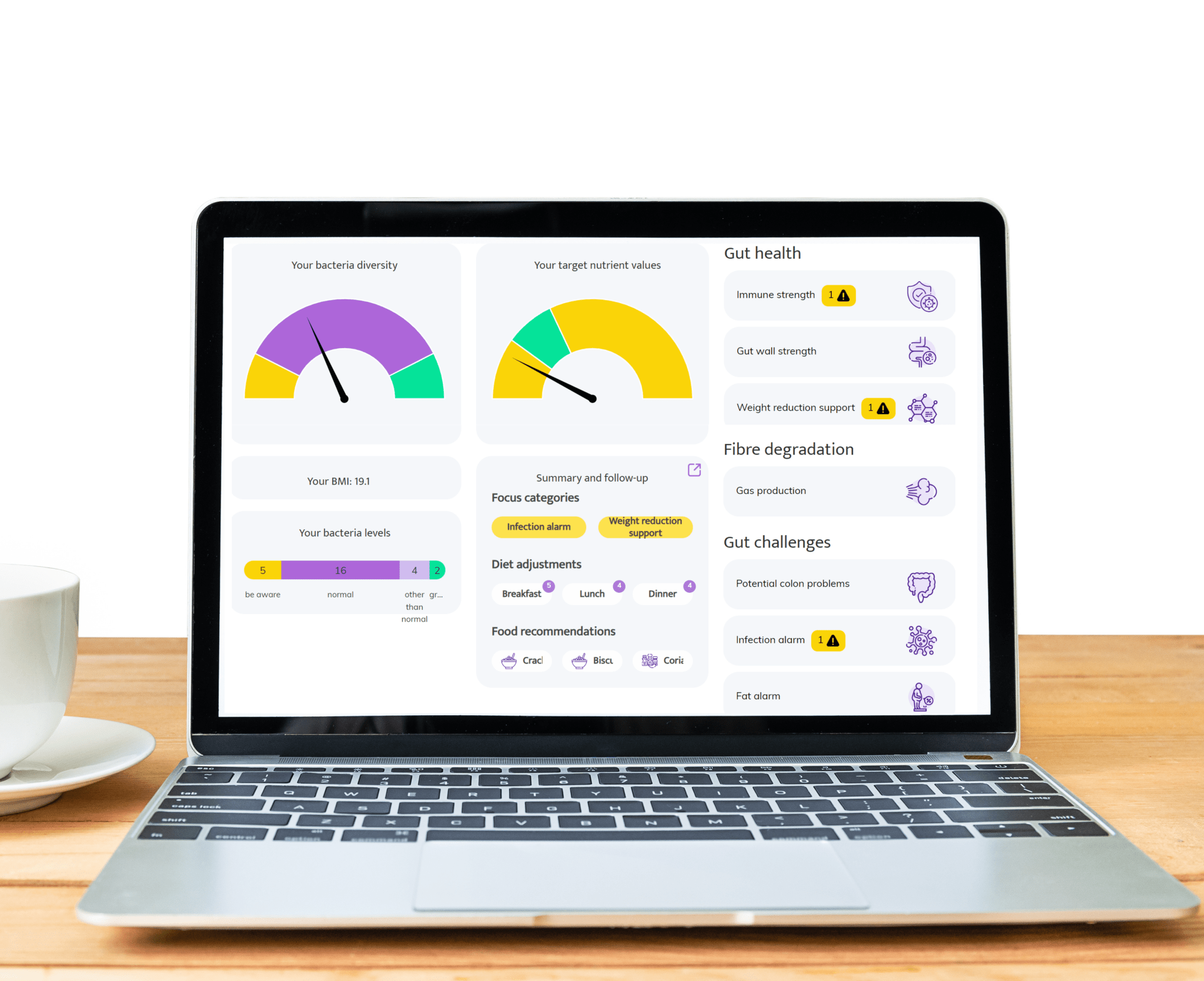
Your Gut Has a Story. Read It — Then Fix Potential Problems
Full microbiome sequencing + Gut Health Index. Metabolic pathways, diversity, keystone species. Personalized plans available (diet, supplements, diary, recipes). EU lab + Maastricht University spin-off + GDPR-safe.