Lemon Water: A Natural Digestive Aid to Support Your Gut Microbiome

Digestive Balance: Foods & Diet Strategies to Support the Gut Microbiome
Introduction to Lemon Water and Gut Health
Lemon water has surged in popularity as a natural, simple, and effective remedy to improve overall health, especially digestive well-being. This refreshing beverage is often touted as a natural digestive aid that supports the gut microbiome, which is crucial for maintaining a healthy digestive system.
Understanding the role of lemon water begins with grasping the significance of the gut microbiome. Our gastrointestinal tract is home to trillions of bacteria — both beneficial and potentially harmful. Maintaining balance in this microbial ecosystem is essential for digestion, immunity, and even mental health.
What is Lemon Water?
Lemon water is simply water infused with fresh lemon juice. It can be enjoyed warm or cold and is a popular morning beverage for many health enthusiasts. The lemons provide a natural source of vitamin C, antioxidants, and essential plant compounds.
Why Is Gut Health Important?
The gut microbiome plays a central role in processing the food we eat, extracting nutrients, and forming the foundation of a strong immune system. A healthy gut flora helps prevent gastrointestinal issues such as bloating, constipation, and acid reflux. It also supports mental health by influencing the gut-brain axis.
Disruption of the gut microbiome balance, known as dysbiosis, can lead to numerous health concerns including inflammatory bowel disease, allergies, and metabolic disorders.
How Lemon Water Can Support Your Gut Microbiome
Lemon water contains several compounds that may aid in maintaining a healthy gut environment. For example:
Incorporating lemon water into your daily routine is a simple way to harness these benefits.
Summary
To summarize, lemon water is more than a refreshing beverage – it serves as a natural digestive aid that may promote a balanced and healthy microbiome. In the next section, we will explore the comprehensive health benefits of consuming lemon water regularly.

Health Benefits of Lemon Water for Digestion and Gut Support
Lemon water offers numerous health benefits, particularly for digestion and the gut microbiome. Understanding these benefits can help you make an informed choice about incorporating this simple drink into your lifestyle.
Improves Digestion and Relieves Indigestion
Lemon water can stimulate the production of gastric juices, including hydrochloric acid, which enhances the breakdown of food and facilitates nutrient absorption. This helps reduce common digestive discomforts like heartburn, bloating, and gas.
The mild acidity of lemon mimics the stomach’s natural acids, especially for those with low stomach acid production, which can impair digestion.
Hydrates and Supports Detoxification
Proper hydration is critical for gut motility, facilitating the smooth passage of food through the digestive tract. Lemon water encourages increased water consumption while also providing beneficial electrolytes such as potassium.
Lemon has natural diuretic properties, promoting the elimination of toxins through urine and supporting the liver’s detoxification capacity.
Acts as a Natural Prebiotic
Prebiotics are compounds that feed and nourish beneficial bacteria in the gut. Lemons contain pectin, a soluble fiber that functions as a prebiotic, helping Bifidobacteria and Lactobacilli to thrive.
Enhanced growth of these beneficial microbes supports stronger intestinal barrier function and reduces inflammation within the gut lining.
Balances Gut pH
Although acidic in taste, lemon water has an alkalizing effect when metabolized. This helps buffer excess stomach acid and maintain an optimal gut pH balance. A well-regulated pH is critical to discourage the growth of harmful bacteria and promote beneficial flora.
Supports Immune Health Through Gut Function
Since a large portion of the immune system resides in the gut-associated lymphoid tissue (GALT), maintaining gut integrity is vital for defense against pathogens. The vitamin C and antioxidants in lemon water bolster the immune response and promote healing of the gut lining, which may reduce susceptibility to infections.
Contributes to Weight Management and Metabolism
Evidence suggests that lemon water may aid in weight management by enhancing metabolism and reducing appetite. A healthy gut microbiome plays a significant role in energy balance and fat storage, and lemon water supports this critical microbial environment.
Summary
The health benefits of lemon water go beyond just hydration. It improves digestion, balances gut pH, supports beneficial bacteria, and bolsters immune health through gut support. The following section will delve into the scientific studies that examine these effects in detail.

Digestive Balance: Foods & Diet Strategies to Support the Gut Microbiome
Scientific Evidence Supporting Lemon Water’s Role in Gut Health
While lemon water is celebrated anecdotally for its digestive benefits, what does the science say? Multiple studies have explored the mechanisms by which lemon and citrus fruits influence the gut microbiome and digestion.
Research on Citric Acid and Digestion
Citric acid, the primary organic acid in lemons, has been shown to increase digestive enzyme activity. For instance, a study in the Journal of Medicinal Food found that citric acid helps boost the secretion of saliva and gastric juices, improving the breakdown of proteins and fats.
This enzymatic stimulation aids in faster and more efficient digestion, reducing symptoms of indigestion and bloating.
Studies on Pectin as a Prebiotic Fiber
Pectin is a valuable soluble fiber in lemons that functions as a prebiotic to modulate the gut microbiome. A 2019 publication in Nutrients highlighted pectin's ability to promote beneficial bacteria such as Lactobacillus and Bifidobacterium species.
These bacteria ferment pectin to produce short-chain fatty acids like butyrate, which nourish colon cells and maintain gut barrier function. This strengthens the gut lining and reduces inflammation.
Antioxidant and Anti-Inflammatory Effects
Lemon water provides antioxidants like flavonoids and vitamin C, known for their anti-inflammatory impacts. A 2020 review in Frontiers in Immunology describes how antioxidants protect intestinal tissues from oxidative damage and modulate immune responses.
This protection is critical for preventing chronic conditions such as irritable bowel syndrome (IBS) and inflammatory bowel disease (IBD).
Impact on Gut pH and Microbial Balance
Several studies have demonstrated how citrus compounds help regulate gastrointestinal pH. By maintaining an alkaline environment in the intestines, lemon components limit the growth of pathogenic bacteria and encourage a diverse and healthy microbiota.
This balance is key for overall digestive health and immunity.
Clinical Trials on Lemon Water and Digestive Symptoms
Clinical trials focusing explicitly on lemon water are limited, but related citrus fruit interventions have shown reductions in indigestion, heartburn, and constipation symptoms.
More focused research is ongoing to establish standardized dosage and preparation methods for maximum benefits.
Summary
Scientific evidence supports the role of lemon water and its components in promoting digestive enzyme function, nourishing beneficial gut bacteria, reducing inflammation, and maintaining gut pH balance. Combined, these effects underscore the therapeutic potential of lemon water as a digestive aid.
How to Use Lemon Water for Optimal Digestive Health
Understanding lemon water’s benefits is just the first step. To maximize its impact on your digestive system and gut microbiome, you need to know the best practices for preparation and consumption.
Choosing the Right Lemons
For the highest health benefits, use fresh, organic lemons when possible. Organic lemons are less likely to contain pesticides or harmful chemicals.
Look for lemons that are firm and heavy for their size – this generally indicates juiciness and nutrient density.
How to Prepare Lemon Water
Best Time to Drink Lemon Water
Drinking lemon water on an empty stomach in the morning is commonly recommended to kickstart digestion and hydrate the body after sleep.
Another good time is before meals, as it may help prepare your digestive system to process food efficiently.
How Much Lemon Water Should You Drink Daily?
Moderation is key. While lemon water is beneficial, excessive consumption can erode tooth enamel due to the acidic nature of lemon juice.
A typical recommendation is 1 to 2 glasses per day. Using a straw to drink lemon water and rinsing your mouth afterwards can help protect your teeth.
Troubleshooting and Precautions
Additional Recipes for Gut Health
Additions like fresh ginger, turmeric, or a pinch of cinnamon can create potent gut-soothing blends involving lemon water.
Try these variations to keep your digestive routine interesting and nutrient-rich.
Summary
Properly preparing and timing your lemon water intake significantly influences its digestive benefits. Following these guidelines helps you safely incorporate lemon water into your lifestyle to support your gut microbiome.

Incorporating Lemon Water into a Gut-Healthy Lifestyle
While lemon water is a powerful digestive aid, it works best as part of a holistic approach to gut health. This section outlines complementary lifestyle and dietary strategies to optimize your gut microbiome support.
Balanced Diet Rich in Fiber and Probiotics
Eating a variety of fibers from fruits, vegetables, whole grains, nuts, and seeds provides nourishment for beneficial bacteria. Probiotic-rich foods like yogurt, kefir, sauerkraut, and kimchi add live microorganisms that support microbiome diversity.
Combining lemon water with a fiber and probiotic-rich diet creates synergy for optimal gut function.
Regular Hydration and Physical Activity
Maintaining good hydration helps digestive motility and toxin elimination. Coupled with regular exercise, which has been shown to positively affect gut microbiome composition, these habits reinforce digestive health.
Stress Management and Sleep
Chronic stress and poor sleep negatively affect the gut-brain axis and may disrupt microbiome balance. Incorporating relaxation techniques and prioritizing quality sleep supports gut integrity and immune function.
Avoiding Harmful Substances
Excessive alcohol, smoking, and processed foods can harm the gut lining and microbial balance. Reducing these factors complements the benefits of lemon water for gut health.
Monitoring and Personalization
Everyone’s gut microbiome is unique. Pay attention to your body's responses when introducing lemon water and other digestive aids.
Consult healthcare providers or nutritionists for personalized plans if you have existing digestive conditions.
Summary
Incorporating lemon water into a broader lifestyle focused on balanced nutrition, hydration, movement, and stress reduction creates a supportive environment for your gut microbiome and overall health.
Conclusion
Lemon water is a simple, natural, and effective digestive aid that supports the gut microbiome through multiple mechanisms: improving digestion, acting as a prebiotic, balancing gut pH, and protecting gut health with antioxidants.
When consumed properly and combined with a healthy lifestyle, lemon water can be a valuable and enjoyable tool to promote digestive well-being and overall vitality.
Embrace the power of this citrus elixir as part of your journey toward a healthier gut and a healthier you.
Find more details about Digestion Support
You can find more information on the related topics below.
Read more: Boost Your Gut Health with Lemon Water
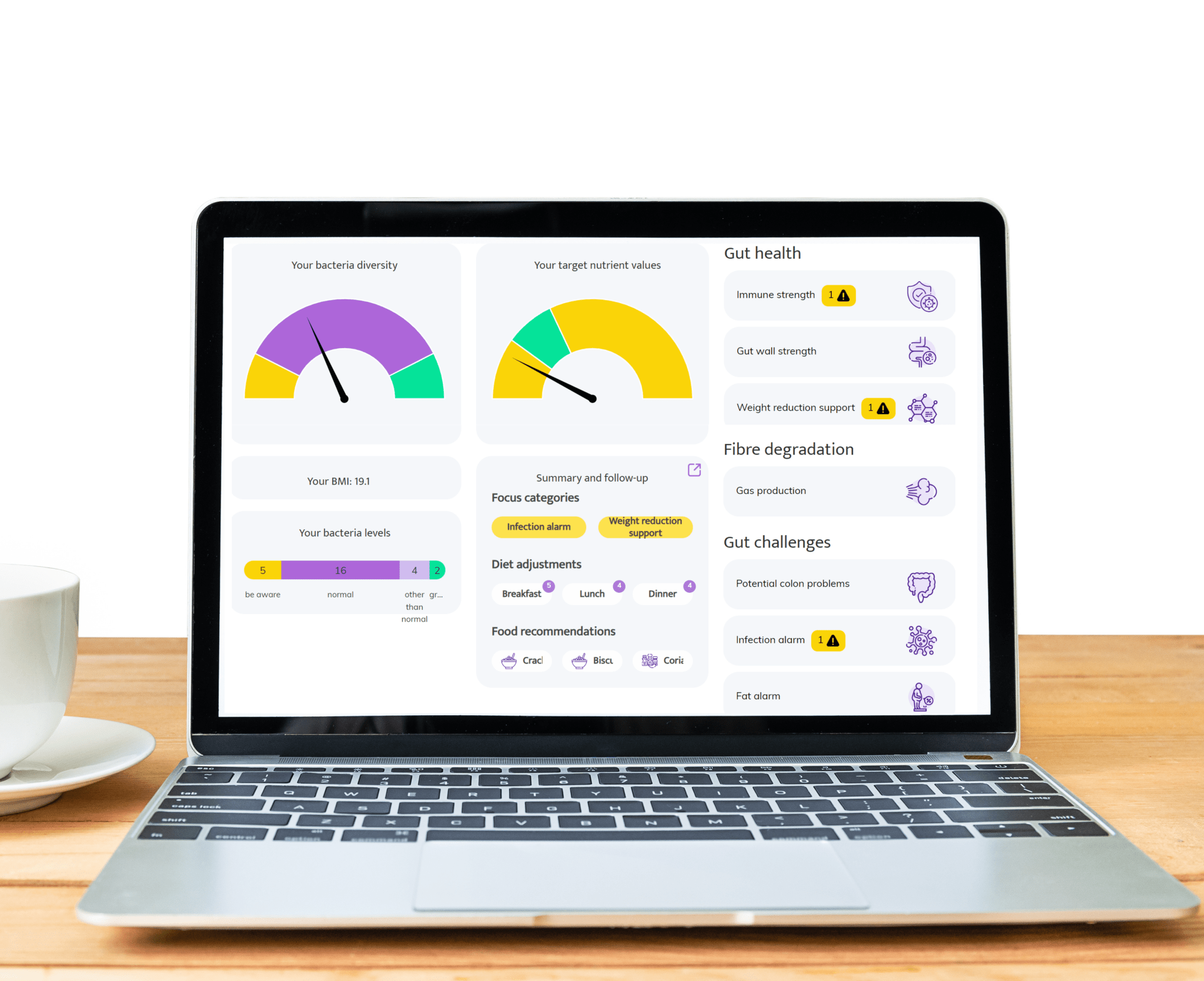
Your Gut Has a Story. Read It — Then Fix Potential Problems
Full microbiome sequencing + Gut Health Index. Metabolic pathways, diversity, keystone species. Personalized plans available (diet, supplements, diary, recipes). EU lab + Maastricht University spin-off + GDPR-safe.