Herbal Probiotics for Digestive Balance: Harnessing the Gut Microbiome with Nature's Remedies


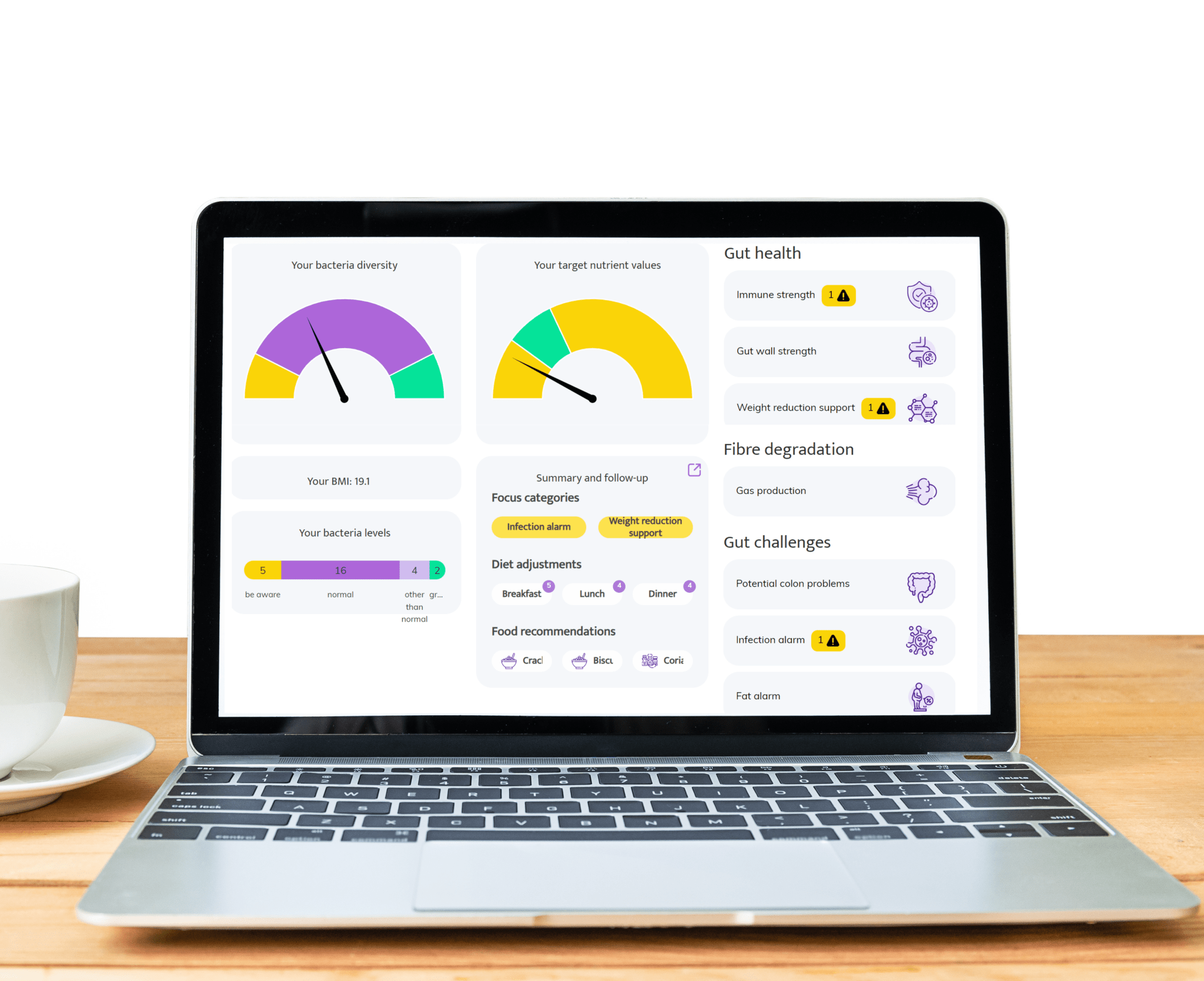
    innerbuddies gut microbiome testing

    Gut Microbiome Mastery: Harnessing Supplements and Probiotics for Optimal Health

    Herbal Probiotics for Digestive Balance: An Introduction to Nature's Microbial Allies

    Maintaining digestive balance begins with nurturing the gut microbiome, the complex community of microbes that influence digestion, immunity, mood, and overall health. While conventional probiotics like Lactobacillus and Bifidobacterium are well known, there is growing interest in how specific herbs and botanical preparations can act as herbal probiotics, supporting microbial diversity, encouraging beneficial strains, and providing substrates that feed healthy bacteria. This section introduces the concept of herbal probiotics and outlines foundational principles for harnessing botanical remedies for gut health.

    What are herbal probiotics and how do they differ from conventional probiotics

    Herbal probiotics are botanicals that either contain beneficial microbes due to fermentation or provide prebiotic compounds and phytochemicals that selectively nourish and modulate the gut microbiome. Unlike single-strain probiotic supplements, herbal approaches tend to be multi-faceted: they can combine live microbes from fermented herbs, plant fibers that serve as prebiotics, and antimicrobial phytochemicals that help balance pathogen overgrowth.

    Key mechanisms of action

    Herbal probiotics promote digestive balance through several mechanisms. First, fermented botanical preparations deliver live beneficial microbes and metabolic byproducts that can compete with pathogens. Second, many herbs contain prebiotic fibers and polyphenols that selectively feed beneficial bacteria and increase short chain fatty acid production. Third, herbs with mild antimicrobial activity can help modulate dysbiotic populations without wholesale eradication of the microbiome. Finally, anti-inflammatory and mucosal-supportive phytochemicals help restore epithelial integrity, improving nutrient absorption and reducing intestinal permeability.

    What the evidence says

    A growing body of research explores the microbiome effects of botanicals. Studies show that certain polyphenol-rich herbs, fermented herbal formulas, and specific plant extracts can alter bacterial composition, promote beneficial species, and reduce markers of inflammation. While many human clinical trials are still limited, the mechanistic data and traditional use provide a strong rationale for integrating herbal probiotics into gut health strategies.

    Core goals when using herbal probiotics

    When incorporating herbal probiotics, aim to:

    In the following sections, we explore specific herbs, fermentation methods, evidence-based protocols, and practical formulations to help harness the gut microbiome with nature's remedies.

    innerbuddies gut microbiome testing

    Beneficial Herbs and Botanicals for Microbial Balance

    Not all herbs are equal in their microbiome effects. Certain plants deliver prebiotic fibers, while others provide polyphenols, antimicrobial compounds, or fermentable substrates. Understanding the unique properties of each herb enables targeted use for conditions like bloating, irregularity, IBS, and low microbial diversity.

    Prebiotic herbs and fibers

    Prebiotic botanicals supply fermentable substrates that selectively nourish beneficial microbes. Examples include:

    Polyphenol-rich and antioxidant herbs

    Polyphenols are plant compounds that modulate microbial communities, often promoting beneficial strains and inhibiting pathogens. Herbs in this category include:

    Mild antimicrobial herbs for rebalancing

    Rather than broad-spectrum eradication, targeted antimicrobial herbs can reduce pathogenic overgrowth while sparing beneficial microbes when used judiciously. Examples include:

    Adaptogenic and mucosal supportive herbs

    These botanicals support resilience and gut barrier function, indirectly benefiting the microbiome:

    Combining herbs for synergistic effects

    Blends that combine prebiotic fibers, polyphenols, and mild antimicrobials often produce superior outcomes. For instance, a formula pairing dandelion root for inulin, turmeric for polyphenols, and a low dose of oregano for microbial modulation can support balanced digestion and microbial diversity. When crafting combinations, prioritize gentle action, gradual integration, and monitoring for individual responses.

    Next we explore fermented herbs, formulations, and practical DIY methods to create herbal probiotic preparations at home or in a clinical setting.

    innerbuddies gut microbiome testing

    Gut Microbiome Mastery: Harnessing Supplements and Probiotics for Optimal Health

    Fermented Herbal Preparations and Botanical Probiotics

    Fermentation transforms herbs into living preparations that contain both beneficial microbes and bioactive metabolites. Fermented herbal probiotics can deliver live cultures, enhance bioavailability of phytochemicals, and generate new compounds that support gut health. This section outlines common fermented herbal products, methods, and practical guidance for safe preparation and use.

    Types of fermented herbal products

    Fermented botanicals come in many forms:

    Benefits of fermentation for herbal efficacy

    Fermentation increases the biological activity of many herbs by:

    Basic method for safe lacto-fermentation of herbs

    Home lacto-fermentation can preserve herbs and create probiotic-rich condiments. A simple protocol:

    Common herbs to ferment include garlic, ginger, turmeric, dandelion, and parsley. Combining prebiotic roots like chicory or Jerusalem artichoke increases fermentable substrate and microbial growth.

    Fermentation with herbal teas and kombucha cultures

    Using herbal infusions as the base for kombucha yields aromatic, probiotic beverages. Brew the herbal tea, sweeten lightly with sugar to feed the symbiotic culture, and use a healthy scoby to ferment. Ferment for 7 to 14 days depending on taste and temperature, then strain and refrigerate.

    Safety considerations when fermenting botanicals

    Follow these guidelines to ensure safety:

    Fermented herbal probiotics can be powerful tools for digestive balance when prepared thoughtfully and integrated with a balanced diet. In the next section we provide evidence-based protocols, dosing guidance, and ways to combine herbs with conventional probiotics and diet for best results.

    innerbuddies gut microbiome testing

    Protocols, Dosage, and Combining Herbs with Diet and Probiotics

    Integrating herbal probiotics into daily life requires practical protocols that consider dosage, timing, safety, and synergistic pairing with diet and supplemental probiotics. This section outlines evidence-informed approaches for common digestive goals, how to stagger herbs and probiotic strains, and dietary strategies that amplify botanical benefits.

    General dosing principles for herbal preparations

    Doses depend on form and concentration. As a general guide:

    Always begin at the lower end and observe digestive reactions over 3 to 7 days before increasing. For potent antimicrobials like oregano oil or high dose garlic extracts, use short courses or professional guidance.

    Protocols for common digestive aims

    Protocol examples:

    1. Support for bloating and gas

    2. Rebalancing after antibiotics

    3. Chronic IBS or low motility

    Combining herbal probiotics with supplemental probiotics

    Herbal probiotics and supplemental strains can be complementary. To combine effectively:

    Dietary strategies to support herbal probiotic therapy

    Diet is foundational. Emphasize the following:

    Behavioral factors like stress, sleep, and exercise also profoundly influence the microbiome. Combining herbal probiotics with lifestyle optimization yields the most durable benefits.

    innerbuddies gut microbiome testing

    Safety, Special Populations, Recipes, and Practical Tips

    Herbal probiotics are potent and holistic approaches to digestive balance, but safety, personalization, and practical know-how are essential. This final section covers contraindications, special population considerations, simple recipes, and tips for integrating herbal microbiome support into daily life.

    Safety considerations and contraindications

    While many herbs are generally safe, precaution is required:

    Special populations

    Children, older adults, and individuals with complex medical histories require tailored approaches. For children, prioritize gentle dietary changes, low-dose fermented foods, and consult pediatric specialists for any supplemental or concentrated herb use. For the elderly, assess gut motility and medication profiles; fermented foods and prebiotic herbs can support diversity but start slowly.

    Simple recipes and formulations

    1. Ginger-turmeric fermented tonic

    Ingredients: fresh ginger, fresh turmeric root, filtered water, 2 percent sea salt brine, optional honey for feeding kombucha-like cultures. Chop roots and pack into jar. Cover with brine and ferment for 5 to 14 days. Strain and refrigerate. Start with 1 tablespoon daily and increase as tolerated.

    2. Lacto-fermented garlic and herbs

    Ingredients: peeled garlic cloves, chopped parsley, filtered water with 2 to 3 percent sea salt. Place garlic and parsley in jar, add brine, weigh down, and ferment for 2 to 4 weeks. Use as condiment to support microbiome and flavor meals.

    3. Prebiotic herbal infusion

    Combine dried dandelion root, chicory root, and licorice root for a warming prebiotic tea; steep and drink twice daily. Adjust licorice for blood pressure sensitivity.

    Practical tips for integrating herbal probiotics

    Tracking progress

    Monitor outcomes using symptom journals, noting bowel regularity, bloating, energy, mood, and sleep. Consider periodic consultations with a healthcare professional and microbiome testing when indicated for persistent or complex issues. Biomarkers such as fecal calprotectin or zonulin may help assess inflammation and intestinal permeability under clinician guidance.

    Conclusion

    Herbal probiotics offer a complementary, nature-centered approach to cultivating digestive balance. By combining fermented botanicals, prebiotic herbs, polyphenol-rich plants, and supportive lifestyle measures, individuals can nurture a resilient gut microbiome. Thoughtful preparation, gradual introduction, and professional collaboration ensure safe and effective outcomes. Harnessing the synergy between herbs and microbial allies opens a promising pathway to lasting digestive health powered by nature's remedies.

    Read more: Herbal Supplements, Gut Microbiome, and Probiotics for Digestive Balance

    Areas where InnerBuddies gut microbiome testing can make a significant impact

    • Digestive Health

      Gut discomfort like bloating, constipation, gas, or diarrhea often stems from an imbalance in gut bacteria. InnerBuddies analyzes the composition and diversity of your gut microbiome, identifying specific imbalances such as low fiber-fermenting bacteria or an overgrowth of gas-producing microbes.

      By pinpointing the root causes of digestive issues, InnerBuddies provides personalized, evidence-based recommendations to support digestion. Whether through targeted diet changes, prebiotics, or probiotics, users can take actionable steps to restore harmony and improve GI comfort.

    • Immune Function

      Over 80% of the immune system resides in the gut, and a diverse microbiome plays a key role in training immune cells to respond appropriately. InnerBuddies helps users assess their microbiome’s ability to support immune balance and resilience.

      Low microbial diversity or the presence of inflammatory bacteria may indicate a weakened defense system. InnerBuddies delivers tailored suggestions—like anti-inflammatory foods or immune-supportive nutrients—to help build a stronger, more balanced immune response.

    • Mental Health & Mood (Gut-Brain Axis)

      Emerging research shows that your microbiome influences neurotransmitters like serotonin, dopamine, and GABA, directly affecting mood and stress levels. InnerBuddies evaluates gut-brain axis markers to explore how your microbes may be impacting your mental well-being.

      With insight into bacterial strains associated with anxiety, depression, or stress resilience, InnerBuddies can guide personalized strategies to help improve emotional balance—ranging from fiber-rich diets to psychobiotic supplements.

    • Weight Management & Metabolism

      Certain gut bacteria can extract more energy from food and influence fat storage, insulin sensitivity, and appetite hormones. InnerBuddies assesses metabolic markers in your microbiome profile to help reveal how your gut may be impacting your weight.

      With tailored advice on foods that support healthy metabolism—such as resistant starches or polyphenol-rich plants—InnerBuddies empowers users to make microbially informed decisions that complement their health goals and weight management strategies.

    • Skin Health

      Skin conditions like acne, eczema, and rosacea are increasingly linked to gut imbalances and systemic inflammation. InnerBuddies analyzes your microbiome to detect patterns that may contribute to inflammatory skin responses.

      By supporting gut barrier integrity and reducing pro-inflammatory microbes, the recommendations from InnerBuddies can help improve skin from the inside out—encouraging a clearer complexion and fewer flare-ups through gut-skin axis awareness.

    • Personalized Nutrition

      Not all foods are beneficial for every gut. InnerBuddies delivers customized nutrition insights based on your unique microbial profile—identifying foods that nourish beneficial bacteria and flagging those that may trigger dysbiosis.

      This personalized approach helps users move beyond one-size-fits-all diets and embrace gut-friendly nutrition strategies. Whether you’re optimizing for energy, digestion, or longevity, InnerBuddies transforms your microbiome data into actionable meal plans.

    Hear from our satisfied customers!

    • "I would like to let you know how excited I am. We had been on the diet for about two months (my husband eats with us). We felt better with it, but how much better was really only noticed during the Christmas vacations when we had received a large Christmas package and didn't stick to the diet for a while. Well that did give motivation again, because what a difference in gastrointestinal symptoms but also energy in both of us!"

      - Manon, age 29 -

    • "Super help!!! I was already well on my way, but now I know for sure what I should and should not eat, drink. I have been struggling with stomach and intestines for so long, hope I can get rid of it now."

      - Petra, age 68 -

    • "I have read your comprehensive report and advice. Many thanks for that and very informative. Presented in this way, I can certainly move forward with it. Therefore no new questions for now. I will gladly take your suggestions to heart. And good luck with your important work."

      - Dirk, age 73 -