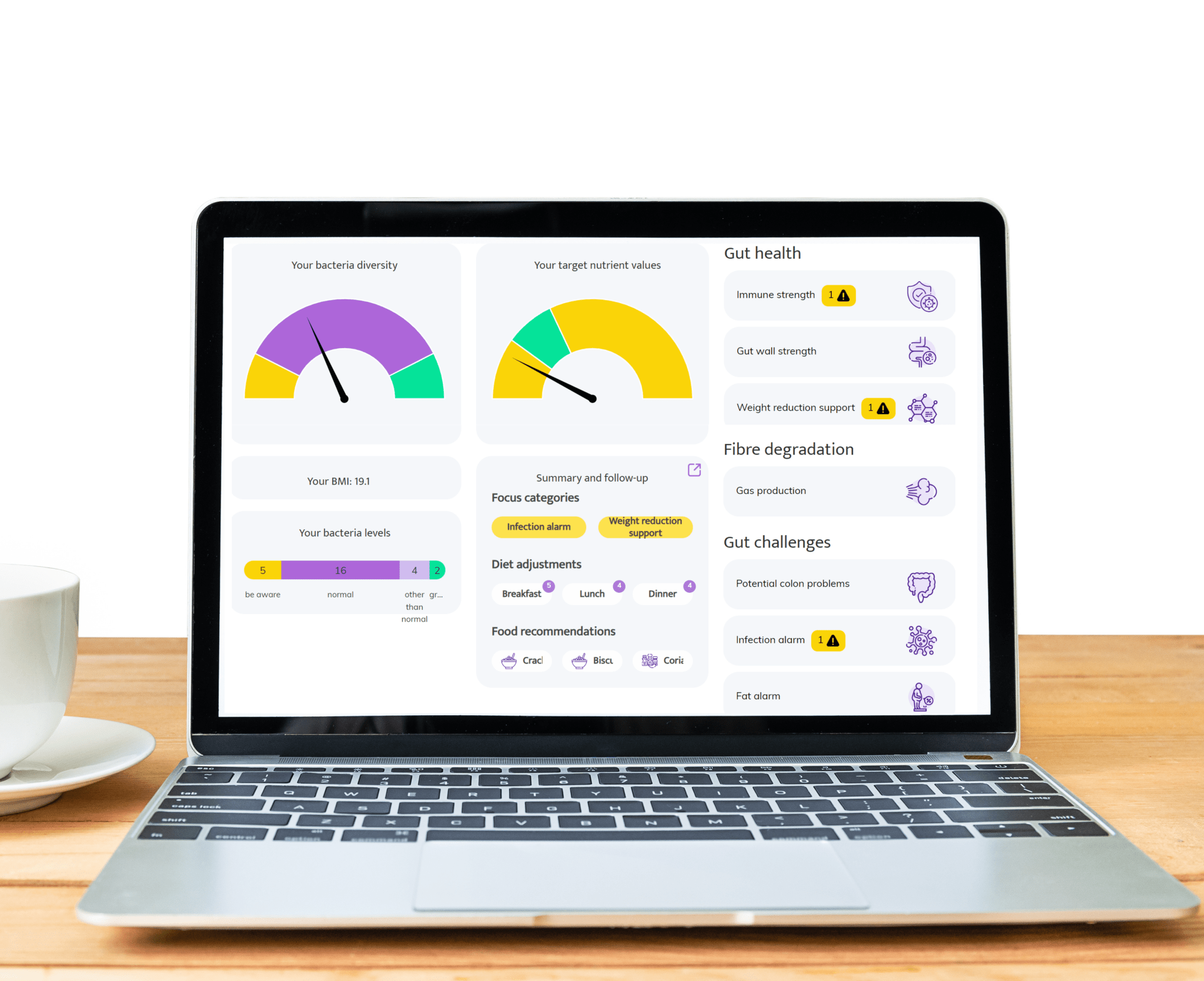
Gut Microbiome Mastery: Optimizing Health with Supplements and Probiotics

    innerbuddies gut microbiome testing

    Gut Microbiome 101

    Introduction to Gut Microbiome Mastery: Understanding the Foundation

    Gut microbiome mastery begins with a clear understanding of what the gut microbiota is, why it matters, and how dietary choices, lifestyle, and targeted supplements shape your health. In this section we cover the basics: the science behind the microbiome, its roles in digestion, immunity, mood, and metabolism, and the rationale for using probiotics and other supplements to optimize gut health.

    What is the Gut Microbiome?

    The gut microbiome is a complex community of trillions of microorganisms — bacteria, viruses, fungi, and archaea — living primarily in the large intestine. These microbes interact with each other and with the human host, influencing digestion, nutrient absorption, immune responses, and even brain function through the gut-brain axis. A balanced and diverse microbiome is associated with improved gut health and systemic wellness.

    Why the Microbiome Matters for Health

    Research shows the gut microbiota can affect:

    Signs of an Unbalanced Microbiome

    Indicators you may need to optimize your gut include:

    Addressing these issues often involves a combined strategy: dietary change, lifestyle improvements, and, where appropriate, targeted supplements like probiotics, prebiotics, and postbiotics.

    The Role of Supplements and Probiotics

    Supplements serve distinct roles in microbiome optimization. Probiotics are live microorganisms intended to confer a health benefit when consumed in adequate amounts. Prebiotics are non-digestible food components that selectively stimulate growth of beneficial microbes. Synbiotics combine both. Other supplements, such as digestive enzymes, polyphenols, and short-chain fatty acid precursors, support metabolic functions and microbial balance.

    Choosing the right supplement requires an understanding of strain specificity, dosing, and the intended outcome — whether you want to reduce bloating, manage IBS symptoms, boost immunity, or support metabolic health.

    Key Terms to Know

    In the sections that follow we will move from the foundational science into actionable strategies: dietary patterns, evidence-based probiotic strains, targeted supplements, clinical applications, and a practical roadmap to achieve gut microbiome mastery. This guide is designed for SEO-driven clarity — using terms like gut health, probiotics, and microbiota consistently to help readers and search engines find the most relevant information.

    Next, we explore the dietary and lifestyle foundations that support a resilient and diverse gut ecosystem.

    innerbuddies gut microbiome testing

    Diet and Lifestyle Foundations for a Healthy Microbiome

    Nutrition and daily habits are the primary determinants of the composition and function of the gut microbiome. Optimizing these fundamentals can create an environment where beneficial microbes thrive, reduce dysbiosis, and enhance the effectiveness of probiotics and other supplements.

    Eat for Diversity: The Power of Plant-Rich Diets

    A diverse, fiber-rich diet is the most reliable way to increase microbial diversity. Aim to include a wide range of whole plant foods — vegetables, fruits, legumes, nuts, seeds, and whole grains. These foods provide fermentable fibers that act as natural prebiotics, feeding beneficial bacteria that produce health-promoting metabolites like butyrate.

    Suggestions to boost microbial diversity:

    Incorporate Fermented Foods

    Fermented foods such as yogurt, kefir, sauerkraut, kimchi, miso, and kombucha can introduce live microbes and beneficial metabolites. While not a replacement for a high-quality probiotic supplement when needed, fermented foods are a valuable daily tool for supporting microbial balance and digestion.

    Limit Excessive Sugar and Ultra-Processed Foods

    Diets high in sugar and processed ingredients tend to reduce microbial diversity and favor opportunistic species associated with inflammation. Minimizing these foods supports a stable environment where beneficial microbes can flourish.

    Hydration and Gut Motility

    Adequate hydration supports intestinal transit and helps prevent constipation, a condition that alters microbial ecology. Regular physical activity also improves gut motility and increases microbial diversity — even moderate exercise has measurable benefits.

    Manage Stress and Sleep

    Chronic stress and poor sleep disrupt the gut-brain axis and can shift microbial composition towards less favorable profiles. Strategies to reduce stress (mindfulness, moderate exercise, social connection) and to prioritize quality sleep are critical pillars of gut health.

    Avoid Unnecessary Antibiotics and Use Strategically

    Antibiotics can decimate beneficial microbes and lead to long-term changes in the microbiome. Use antibiotics only when necessary and follow with supportive measures: a course of targeted probiotics, fiber-rich foods, and possibly fecal microbiota restoration in severe cases under clinical supervision.

    Timing and Meal Patterns

    Emerging research suggests circadian rhythms influence the microbiome. Consistent meal timing and avoiding late-night heavy meals may support microbial rhythms and metabolic health. Intermittent fasting or time-restricted eating can be helpful for some people but should be personalized.

    Personalizing Diet with Data

    Microbiome testing can offer insights into microbial composition, but interpretation requires context. Consider testing as one tool among many: pair results with clinical symptoms, dietary records, and metabolic markers. Personalized dietary interventions often outperform one-size-fits-all approaches.

    Practical Daily Routine for Gut Health

    Nutrition and lifestyle set the stage. When additional support is needed — for symptom relief, recovery after antibiotics, or targeted health goals — strategically chosen probiotics and supplements provide a powerful adjunct. In the next section we'll dissect the science of probiotics: strains, dosing, and clinical evidence.

    innerbuddies gut microbiome testing

    Gut Microbiome 101

    Probiotics Deep Dive: Strains, Benefits, and Evidence

    Not all probiotics are created equal. Achieving gut microbiome mastery requires an evidence-based approach: selecting strains backed by clinical data, using effective dosages, and matching products to individual health goals.

    Understanding Probiotic Strain Specificity

    Probiotic effects are strain-specific. That means the benefits of Lactobacillus rhamnosus GG differ from those of Bifidobacterium longum or Saccharomyces boulardii. Scientific names include genus, species, and strain identifier (e.g., Lactobacillus rhamnosus GG). When choosing supplements, look for strains that have been clinically studied for your condition.

    Common Probiotic Strains and Their Uses

    Dosing Considerations

    Probiotic doses are measured in CFU (colony-forming units). Therapeutic doses vary by strain and condition. General guidelines:

    Start with manufacturer recommendations and clinical evidence. When introducing high-dose probiotics, monitor symptoms and reduce if adverse effects occur.

    Delivery Formats: Capsules, Powders, and Fermented Foods

    Probiotics come in capsules, powders, liquids, and food matrices. Enteric-coated capsules can improve survival through the stomach. Some products pair probiotics with prebiotics (synbiotics) to enhance colonization and activity. Choose products with transparent labeling, strain specificity, and third-party testing when possible.

    When to Use Probiotics

    Evidence-based uses include:

    Safety and Side Effects

    Most healthy individuals tolerate probiotics well. Common short-term effects include mild gas or bloating as the microbiome shifts. People with severe immunosuppression, central venous catheters, or critical illness should use probiotics cautiously and only under medical care due to rare risk of systemic infection. Always discuss with a healthcare provider if you have complex medical conditions.

    Combining Probiotics with Prebiotics and Diet

    Probiotics are most effective when combined with the right substrate: dietary fibers and prebiotics like inulin, FOS, and resistant starch. This pairing supports the growth and activity of both native and supplemented beneficial microbes. A synbiotic strategy (probiotic + prebiotic) can enhance outcomes for symptom relief and microbiota restoration.

    Evaluating Product Quality

    Look for these quality indicators:

    Probiotic supplements are powerful tools when used correctly. In the next part we cover prebiotics, postbiotics, and complementary supplements — including how to choose enzymes, polyphenols, and short-chain fatty acid precursors to support comprehensive gut recovery and metabolic health.

    innerbuddies gut microbiome testing

    Prebiotics, Postbiotics, and Complementary Supplements

    While probiotics introduce beneficial microbes, prebiotics feed them and postbiotics represent the bioactive compounds microbes produce. This section outlines key supplements beyond probiotics that support a resilient microbiome and optimal gut health.

    Prebiotics: Feeding Beneficial Microbes

    Prebiotics are nondigestible fibers and oligosaccharides that selectively stimulate the growth of beneficial bacteria. Common prebiotics include:

    Prebiotic supplementation helps enhance the effect of probiotic interventions and increases production of short-chain fatty acids (SCFAs), especially butyrate, which is crucial for colon health and systemic anti-inflammatory effects.

    Postbiotics and Metabolic Support

    Postbiotics include SCFAs, bacterial cell wall components, and metabolic byproducts that directly influence host physiology. You can support postbiotic production by supplying fermentable fibers and polyphenols. Some supplements provide concentrated SCFAs or butyrate derivatives that may offer therapeutic benefits in select clinical contexts.

    Digestive Enzymes and Bile Support

    For individuals with enzymatic insufficiency, food malabsorption, or persistent bloating, digestive enzyme supplements can improve symptom control while the microbiome recovers. Enzymes that break down carbohydrates, lactose, and fiber can reduce substrate availability for gas-producing bacteria. Bile acid supplements or binders may be useful in cases of bile acid malabsorption or small intestinal bacterial overgrowth (SIBO) under clinician guidance.

    Polyphenols and Botanical Supplements

    Polyphenol-rich extracts (green tea catechins, curcumin, grape seed extract) exert prebiotic-like effects by modulating microbial composition and reducing inflammation. Polyphenols are metabolized by gut microbes into bioactive compounds that support metabolic health and gut barrier integrity.

    Omega-3s, Vitamins, and Minerals

    Omega-3 fatty acids reduce inflammation and influence microbiome composition favorably. Adequate vitamin D, B-vitamins, magnesium, and zinc support immune function and mucosal health. A targeted micronutrient assessment can guide supplementation when deficiencies are suspected.

    Targeted Protocols for Common Conditions

    Monitoring Progress and Biomarkers

    Track outcomes with symptom diaries, stool frequency/consistency charts (Bristol Stool Scale), and select biomarkers: CRP for inflammation, fasting glucose and insulin for metabolic health, vitamin levels, and, when appropriate, stool testing for microbial composition and metabolites. Objective data helps refine supplement choices and dosing.

    Combining Supplements Safely

    When stacking supplements, consider interactions and cumulative effects. Start interventions one at a time and allow several weeks to assess benefits. Maintain open communication with a healthcare provider if you have comorbidities or take prescription medications.

    The next section provides a step-by-step implementation plan, troubleshooting tips, and a maintenance strategy so you can put these concepts into daily practice and achieve long-term gut microbiome mastery.

    innerbuddies gut microbiome testing

    Implementation Roadmap: From Assessment to Long-Term Maintenance

    Turning knowledge into action requires a structured plan. This implementation roadmap guides you through assessment, targeted interventions, monitoring, and maintenance to achieve lasting improvements in gut health and overall well-being.

    Step 1 — Assess and Define Goals

    Begin with a clear assessment:

    Step 2 — Build Foundational Habits (0–4 weeks)

    Implement basic diet and lifestyle changes that support microbial diversity:

    Step 3 — Targeted Supplementation (4–12 weeks)

    Introduce supplements based on your goals and symptoms:

    Step 4 — Monitor and Adjust (3–6 months)

    Evaluate outcomes using symptom tracking and objective markers. If progress stalls, consider:

    Step 5 — Maintenance and Long-Term Strategy

    Once goals are achieved, aim for sustainable habits that preserve microbiome resilience:

    Troubleshooting Common Challenges

    Gas and bloating when starting prebiotics: reduce dose, increase slowly, and pair with digestive enzymes if needed. Persistent symptoms despite changes: evaluate for intolerances, SIBO, or inflammatory conditions. Worsening symptoms on probiotics: pause and try a different strain or lower dose; consult a clinician for complex cases.

    Case Example: A Practical 12-Week Plan

    Week 0–2: Baseline assessment and eliminate trigger foods (highly processed items, excess sugar). Add hydration and light daily walks.
    Week 3–6: Introduce a clinically supported probiotic for your condition and begin low-dose prebiotics; increase plant variety. Add fermented foods several times per week.
    Week 7–12: Reassess symptoms and labs. Adjust probiotic strain or dose as needed. Introduce polyphenol-rich foods and consider omega-3 supplementation. Create a long-term maintenance plan.

    Measuring Success: What to Expect

    Improvements often occur gradually. Expect some benefits within weeks (reduced gas, improved regularity), with more substantive changes in energy, mood, and metabolic markers emerging over months. True microbiome restoration is a long-term process that benefits from consistent habits.

    Final Notes on Safety and Professional Support

    Gut microbiome mastery is achievable for most people through diet, lifestyle, and judicious use of supplements. For complex or severe conditions, seek guidance from qualified healthcare professionals, such as gastroenterologists, functional medicine practitioners, or dietitians with expertise in microbiome science. They can help interpret tests, tailor interventions, and manage advanced therapies like fecal microbiota transplantation when appropriate.

    By combining foundational habits with evidence-based probiotics, targeted prebiotics, and complementary supplements, you can cultivate a resilient, diverse microbiome that supports digestion, immunity, mood, and long-term health. Commit to consistent action, measure outcomes, and refine your strategy — that is the path to sustainable gut microbiome mastery.

    Keywords emphasized for SEO: gut microbiome, probiotics, gut health, prebiotics, microbiota, supplements, microbiome.


    Read more: Gut Microbiome Mastery with Supplements and Probiotics for Optimal Health

    Areas where InnerBuddies gut microbiome testing can make a significant impact

    • Digestive Health

      Gut discomfort like bloating, constipation, gas, or diarrhea often stems from an imbalance in gut bacteria. InnerBuddies analyzes the composition and diversity of your gut microbiome, identifying specific imbalances such as low fiber-fermenting bacteria or an overgrowth of gas-producing microbes.

      By pinpointing the root causes of digestive issues, InnerBuddies provides personalized, evidence-based recommendations to support digestion. Whether through targeted diet changes, prebiotics, or probiotics, users can take actionable steps to restore harmony and improve GI comfort.

    • Immune Function

      Over 80% of the immune system resides in the gut, and a diverse microbiome plays a key role in training immune cells to respond appropriately. InnerBuddies helps users assess their microbiome’s ability to support immune balance and resilience.

      Low microbial diversity or the presence of inflammatory bacteria may indicate a weakened defense system. InnerBuddies delivers tailored suggestions—like anti-inflammatory foods or immune-supportive nutrients—to help build a stronger, more balanced immune response.

    • Mental Health & Mood (Gut-Brain Axis)

      Emerging research shows that your microbiome influences neurotransmitters like serotonin, dopamine, and GABA, directly affecting mood and stress levels. InnerBuddies evaluates gut-brain axis markers to explore how your microbes may be impacting your mental well-being.

      With insight into bacterial strains associated with anxiety, depression, or stress resilience, InnerBuddies can guide personalized strategies to help improve emotional balance—ranging from fiber-rich diets to psychobiotic supplements.

    • Weight Management & Metabolism

      Certain gut bacteria can extract more energy from food and influence fat storage, insulin sensitivity, and appetite hormones. InnerBuddies assesses metabolic markers in your microbiome profile to help reveal how your gut may be impacting your weight.

      With tailored advice on foods that support healthy metabolism—such as resistant starches or polyphenol-rich plants—InnerBuddies empowers users to make microbially informed decisions that complement their health goals and weight management strategies.

    • Skin Health

      Skin conditions like acne, eczema, and rosacea are increasingly linked to gut imbalances and systemic inflammation. InnerBuddies analyzes your microbiome to detect patterns that may contribute to inflammatory skin responses.

      By supporting gut barrier integrity and reducing pro-inflammatory microbes, the recommendations from InnerBuddies can help improve skin from the inside out—encouraging a clearer complexion and fewer flare-ups through gut-skin axis awareness.

    • Personalized Nutrition

      Not all foods are beneficial for every gut. InnerBuddies delivers customized nutrition insights based on your unique microbial profile—identifying foods that nourish beneficial bacteria and flagging those that may trigger dysbiosis.

      This personalized approach helps users move beyond one-size-fits-all diets and embrace gut-friendly nutrition strategies. Whether you’re optimizing for energy, digestion, or longevity, InnerBuddies transforms your microbiome data into actionable meal plans.

    Hear from our satisfied customers!

    • "I would like to let you know how excited I am. We had been on the diet for about two months (my husband eats with us). We felt better with it, but how much better was really only noticed during the Christmas vacations when we had received a large Christmas package and didn't stick to the diet for a while. Well that did give motivation again, because what a difference in gastrointestinal symptoms but also energy in both of us!"

      - Manon, age 29 -

    • "Super help!!! I was already well on my way, but now I know for sure what I should and should not eat, drink. I have been struggling with stomach and intestines for so long, hope I can get rid of it now."

      - Petra, age 68 -

    • "I have read your comprehensive report and advice. Many thanks for that and very informative. Presented in this way, I can certainly move forward with it. Therefore no new questions for now. I will gladly take your suggestions to heart. And good luck with your important work."

      - Dirk, age 73 -