Gut Microbiome Testing for Beginners: How to Choose, Interpret, and Act on Results

Why People Buy a Gut Health Test: Microbiome Testing Guide
Gut Microbiome Testing for Beginners: What It Is and Why People Buy a Test
Gut microbiome testing is an at-home way to analyze the microorganisms in your stool sample. For beginners, it can feel complex: many companies sell gut health tests, but they do not all measure the same things or report results in the same way. If you are comparing options before buying, start by understanding what these tests can show and what they cannot.
What Is the Gut Microbiome?
The gut microbiome is the community of bacteria, viruses, fungi, and other microorganisms living in your digestive tract. These microbes help break down food, produce certain vitamins and metabolites, interact with your immune system, and influence digestive comfort. A diverse and balanced microbiome is generally considered a sign of gut resilience, but there is no single perfect microbiome.
Why Gut Health Matters
Your gut is connected to many areas of health, including digestion, energy, immunity, and the gut-brain axis. When the microbial balance is disrupted, sometimes called dysbiosis, it may be associated with bloating, irregular bowel habits, inflammation, and other digestive symptoms. However, a microbiome test alone cannot diagnose a disease or replace medical evaluation.
6 Signs Your Gut May Be in Trouble
These signs are common and can have many causes. They are not a diagnosis, but they may be reasons to pay closer attention to your gut health and speak with a healthcare professional if they persist:
- Frequent bloating, gas, or abdominal discomfort
- Ongoing constipation, diarrhea, or alternating bowel habits
- Fatigue or low energy that does not improve with rest
- New or worsening food intolerances
- Skin flare-ups, mood changes, or sleep disruption
- Frequent digestive symptoms after eating
If you have severe pain, blood in your stool, unexplained weight loss, or persistent symptoms, seek medical care rather than relying on a home test.
What At-Home Microbiome Tests Can and Cannot Do
At-home tests can profile microbial DNA in a stool sample. They may show patterns in bacterial diversity, relative abundance of certain groups, and sometimes functional potential. They cannot currently diagnose most digestive conditions, predict exactly how you will respond to a specific food or supplement, or replace a doctor's assessment. That is why the best tests are transparent about their limits.

The Science Behind Microbiome Testing and Test Quality
Microbiome testing uses laboratory methods to study the microbes in your sample. Understanding the science helps you judge whether a test is worth buying and how much confidence to place in its report.
How Does Microbiome Testing Work?
Most kits ask you to collect a stool sample at home and send it to a lab. The lab extracts microbial DNA and sequences it. Two common approaches are:
- 16S rRNA sequencing, which identifies broad bacterial groups and is often less expensive.
- Shotgun metagenomics, which can provide species-level and functional information but is usually more costly and complex.
Some tests also use targeted panels, qPCR, or other methods. The method matters because it affects what the report can and cannot tell you.
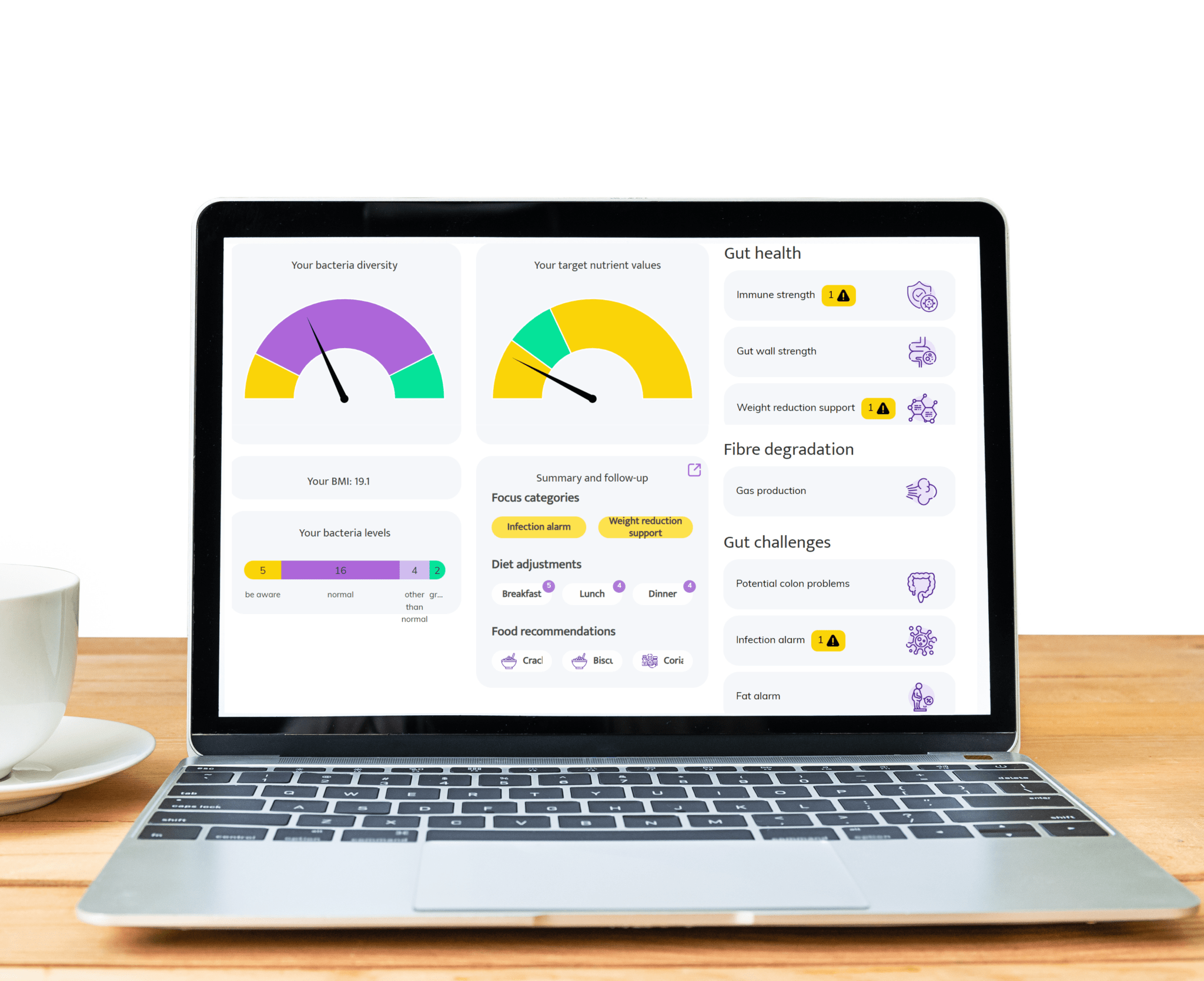
Key Metrics You May See in a Report
- Diversity scores, such as Shannon or Simpson indices
- Relative abundance of major bacterial phyla and genera
- Presence of beneficial groups, such as Bifidobacterium and Lactobacillus
- Potential pathogens or opportunistic organisms
- Functional markers, such as short-chain fatty acid production potential or inflammatory markers
- Ratios and composite scores, which vary by company and may not be standardized
Are Gut Microbiome Tests Legit?
They can be legitimate tools for exploring microbial patterns, but they are not all equally validated. Legitimacy depends on the lab's methodology, quality controls, reference databases, and how results are explained. A test that provides raw data with no context is less useful than one that uses clinically trained support and clearly states what the results do and do not mean. If a company claims its test can diagnose or treat a specific disease, treat that claim with caution.
Limitations and Considerations
- Results can vary between samples, labs, and testing methods.
- The science is still evolving, and reference ranges are not fully standardized.
- Diet, medications, antibiotics, travel, stress, and sleep can influence results.
- A test is a snapshot, not a lifelong verdict.
- Most tests are not intended to diagnose or treat medical conditions.
Despite these limitations, microbiome testing may provide useful insights when paired with professional guidance and realistic expectations.

Why People Buy a Gut Health Test: Microbiome Testing Guide
How to Compare At-Home Gut Microbiome Tests
Comparison is the core of smart buying. Instead of choosing the first test you see, compare what each kit measures, how it reports results, and whether you can act on the information without buying more products.
What Is the Best Gut Microbiome Test for Home Use?
There is no single best test for everyone. The best at-home gut microbiome test for you is the one that matches your goal, uses a validated method, explains results clearly, and offers support for next steps. Someone who wants general wellness insights may need a different test than someone working with a practitioner on persistent digestive symptoms.
Comparison Criteria That Matter
Use these factors to compare test kits instead of relying on marketing claims:
- What it measures: broad bacterial groups, species-level data, functional pathways, or specific markers
- Methodology: 16S sequencing, shotgun metagenomics, qPCR, or a combination
- Clinical validation: published methods, quality controls, and transparent lab certifications
- Report clarity: actionable explanations, reference ranges, and clear limitations
- Support: access to nutritionists, clinicians, or educational resources
- Turnaround time: how long results take and whether shipping delays affect accuracy
- Privacy: how your data is stored, shared, or used for research
- Re-testing: whether the company offers follow-up testing and progress tracking
Typical Pricing Tiers and Pros and Cons
Costs vary widely, so compare total value rather than only the kit price. A lower-cost test may use 16S sequencing and provide a general overview. A mid-range test may include more detailed reports or a consultation. A premium test may offer shotgun metagenomics, clinician review, and personalized recommendations. Premium price does not automatically mean better accuracy for your needs; look for evidence that the extra features help you interpret and act on results.
Red Flags to Watch For
- Claims that a test can diagnose or cure a condition
- No information about lab methodology or validation
- Results that are difficult to interpret without additional purchases
- Pressure to buy proprietary supplements based only on test results
- Unclear privacy policies or consent for data use
How to Prepare for a Microbiome Test and Interpret Results
Once you have chosen a kit, the quality of your sample and your ability to read the report will shape how useful the test is. Preparation and interpretation matter just as much as the test itself.
Before You Collect a Sample
Preparation can reduce avoidable variability. Follow the kit instructions, and consider these general guidelines unless your provider says otherwise:
- Avoid antibiotics for at least a few weeks before testing, if possible and medically appropriate.
- Keep your diet and lifestyle as normal as possible before sampling.
- Avoid probiotics or fermented foods for a short period if the kit recommends it.
- Collect the sample at the instructed time and avoid contamination.
- Ship the sample promptly using the provided materials.
Sample Collection and Shipping
Most kits include a collection tube or swab, a biohazard bag, a shipping box, and a prepaid label. Read the instructions carefully. Seal the sample properly and send it back as soon as possible. Temperature and timing can affect sample quality, so follow the company's guidance.
Understanding Your Results
Reports often include diversity scores, bacterial groups, ratios, and functional markers. A single high or low number is rarely meaningful on its own. Look at patterns across the report and how they relate to your symptoms, diet, and health history. If you are working with a healthcare professional, bring the full report to your appointment rather than relying on a summary score.
Turning Results into Action Steps
- Focus on one or two changes at a time, such as adding more fiber or fermented foods.
- Track symptoms and habits for several weeks to see whether changes help.
- Avoid extreme diets or supplements based on a single test result.
- Re-test only when it will answer a specific question, not constantly.
- Discuss persistent or severe symptoms with a qualified clinician.

Optimizing Gut Health After Testing: Foods, Habits, and Next Steps
After you receive your results, the goal is not to chase a perfect score. The goal is to use the information to support a more resilient gut through food, lifestyle, and, when appropriate, targeted supplements.
Three Gut-Friendly Superfoods to Add
No single food can fix gut health, but three categories are often called superfoods because they support beneficial microbes:
- Fermented foods, such as plain yogurt, kefir, sauerkraut, kimchi, and miso, which can contain live microbes or beneficial metabolites.
- Fiber-rich foods, such as oats, beans, lentils, whole grains, and vegetables, which feed many gut bacteria.
- Polyphenol-rich foods, such as berries, leafy greens, nuts, seeds, coffee, and tea, which may support microbial diversity.
Introduce these gradually, especially if you are not used to high-fiber or fermented foods, to avoid temporary bloating.
Lifestyle Habits That Support Your Microbiome
- Eat a varied diet with plant diversity across the week.
- Prioritize sleep and manage stress where possible.
- Move regularly, as physical activity is associated with gut microbial diversity.
- Limit unnecessary antibiotics and discuss their use with a clinician.
- Stay hydrated and include fiber gradually to support regularity.
Targeted Supplementation
Supplements may help in some situations, but they are not a substitute for a varied diet or medical care. If you use probiotics, prebiotics, or other supplements, choose products with transparent labeling and evidence for the specific strain or ingredient. Discuss options with a qualified professional, especially if you have a health condition or take medication.
Re-Testing and Monitoring
Gut health changes over time. Re-testing every 6 to 12 months may help track progress, but more frequent testing is rarely necessary unless a clinician recommends it. Use re-testing to evaluate specific changes, not as a constant source of anxiety.
FAQ: Common Questions About Gut Microbiome Testing
Are gut microbiome tests worth it?
They may be worth it if you want to explore microbial patterns and are prepared to interpret results with realistic expectations. They are less useful if you expect a diagnosis or a guaranteed treatment plan.
Can a microbiome test tell me which foods to eat?
No test can perfectly predict your response to every food. Results may guide general directions, such as supporting fiber intake or fermented foods, but individual responses vary.
Do I need a doctor to interpret my results?
Not always, but professional guidance can help, especially if you have persistent digestive symptoms, a chronic condition, or confusing results.
Final Thoughts
Gut microbiome testing for beginners is best approached as a tool for curiosity and personalization, not a medical cure-all. Choose a test that is transparent, validated, and clear about its limits. Pair the results with a gut-friendly diet, sensible lifestyle habits, and professional support when needed. That combination is more likely to help you make meaningful progress than any single score in a report.
Find more details about Buying a Gut Health Test
You can find more information on the related topics below.
Read more: How to Compare At-Home Gut Microbiome Tests
Your Gut Has a Story. Read It — Then Fix Potential Problems
Full microbiome sequencing + Gut Health Index. Metabolic pathways, diversity, keystone species. Personalized plans available (diet, supplements, diary, recipes). EU lab + Maastricht University spin-off + GDPR-safe.