Gut Microbiome Testing: Buy a Gut Health Test and Understand Your Results

    innerbuddies gut microbiome testing

    Why People Buy a Gut Health Test: Microbiome Testing Guide

    Gut Microbiome Testing and Results Interpretation

    A gut health test can provide insight into the microbes living in your digestive tract, but the value of testing depends on choosing the right test and understanding what the results mean. This guide explains how microbiome testing works, what to check before you buy a gut health test, and how to interpret your report in a practical, evidence-aware way.

    Microbiome testing is not a substitute for medical evaluation. It is a tool that may help you and a qualified professional identify patterns worth discussing.

    What Is a Gut Microbiome Test?

    A gut microbiome test usually analyses a stool sample to assess the types and relative abundance of microorganisms in the gut. Many services use DNA sequencing methods such as 16S ribosomal RNA gene sequencing or shotgun metagenomics. These methods can profile bacterial populations and, in some cases, provide functional information about microbial genes.

    Results are generally compared with reference databases. This can highlight patterns such as low microbial diversity, shifts in beneficial groups, or the presence of organisms that may deserve clinical attention.

    Why Gut Health Matters

    The gut microbiome is involved in digestion, nutrient metabolism, immune development, and communication along the gut-brain axis. Research has associated imbalances in gut bacteria with a range of conditions, including digestive disorders, metabolic conditions, and mental health concerns. These associations do not mean that the microbiome is the sole cause or that testing can diagnose those conditions.

    Who May Consider a Gut Health Test?

    Testing may be considered by people who:

    • Have persistent digestive symptoms such as bloating, gas, constipation, or diarrhoea
    • Want to understand whether lifestyle or dietary changes are affecting their gut
    • Are working with a clinician on gut-related concerns
    • Want baseline information before starting probiotics, prebiotics, or dietary changes
    • Are interested in general wellness and want structured, personalised guidance

    If you have severe or alarming symptoms, seek medical advice rather than relying on a consumer test alone.

    2-minute self-check Is a gut microbiome test useful for you? Answer a few quick questions and find out if a microbiome test is actually useful for you. ✔ Takes 2 minutes ✔ Based on your symptoms & lifestyle ✔ Clear yes/no recommendation Check if a test is right for me
    innerbuddies gut microbiome testing

    How to Buy a Gut Health Test

    When you buy a gut health test, compare more than price. The quality of the sample collection, laboratory methods, report design, and interpretation support can all affect how useful the results are.

    What to Check Before You Order

    • Sample collection method and ease of use
    • Sequencing technology and what it can report
    • Whether the report explains limitations clearly
    • Access to expert interpretation or a consultation
    • Privacy and data storage policies
    • Follow-up options such as retesting or clinician review
    • Total cost, including shipping and any consultation fees

    What a Home Gut Health Test Kit Usually Includes

    A typical kit includes a stool collection device, detailed instructions, a unique sample ID, packaging for return shipping, laboratory analysis, and a digital report. Some providers also offer a consultation with a healthcare professional or microbiome specialist.

    How the Testing Process Works

    1. Order the test kit and complete any required registration.
    2. Collect the stool sample according to the instructions.
    3. Ship the sample to the laboratory using the provided materials.
    4. The laboratory extracts microbial DNA and performs sequencing or targeted analysis.
    5. Bioinformatics tools identify microorganisms and calculate relative abundance.
    6. You receive a report, ideally with interpretation guidance.
    7. Review the results with a qualified professional if you need personalised advice.

    Questions to Ask Before Ordering

    Ask whether the test is intended for wellness insight or clinical use, whether the laboratory is accredited, how long results take, and what support is included after the report arrives. A clear answer to these questions can help you avoid buying a test that produces data you cannot use.

    innerbuddies gut microbiome testing

    Why People Buy a Gut Health Test: Microbiome Testing Guide

    How to Interpret Gut Test Results

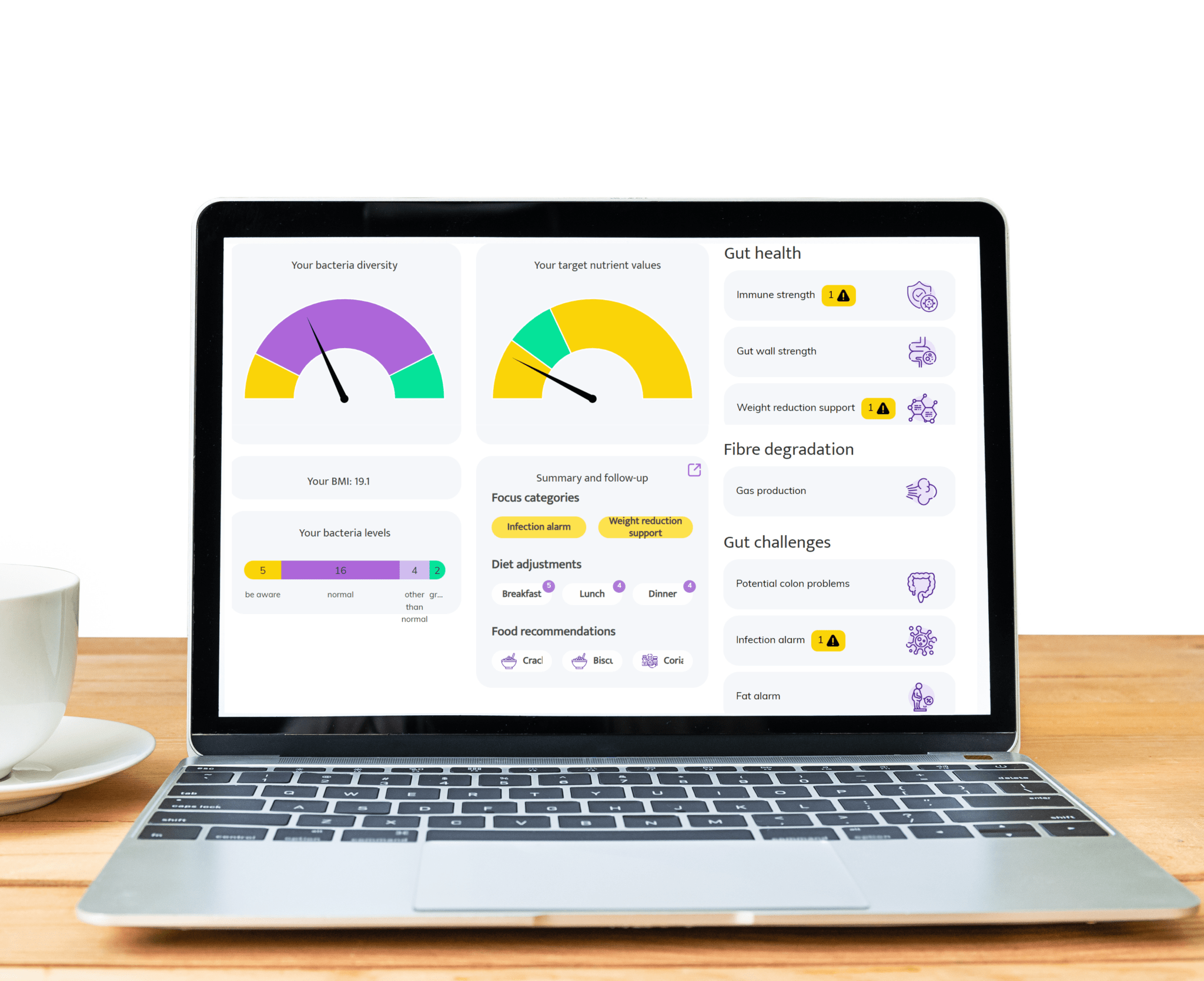
    Gut test results are usually presented as relative abundances, diversity scores, ratios, and functional markers. They are not a simple pass-or-fail result. Interpretation depends on your symptoms, diet, medications, recent illness, and the reference ranges used by the laboratory.

    Key Biomarkers Commonly Reported

    • Microbial diversity, which reflects the variety of organisms detected
    • Relative abundance of major bacterial groups
    • Presence or absence of specific beneficial genera
    • Potential pathogens or opportunistic organisms
    • Short-chain fatty acid producers and fibre-fermenting capacity
    • Markers related to inflammation or gut barrier function, when offered
    • Functional pathways predicted from metagenomic data

    Healthy Ranges Are Not One-Size-Fits-All

    There is no single ideal microbiome. Reference ranges vary between laboratories, and a result outside a reference range does not automatically mean disease. A clinician or qualified practitioner can help you interpret the pattern alongside your health history rather than treating one number as a diagnosis.

    Next Steps After Your Results

    After reviewing your report, consider these practical steps:

    • Discuss significant findings with a healthcare professional.
    • Choose one or two changes at a time, such as increasing fibre diversity or adding fermented foods.
    • Support sleep, stress management, hydration, and regular movement.
    • Use probiotics or supplements only when there is a clear rationale.
    • Retest only when it will change a decision, not simply out of curiosity.
    2-minute self-check Is a gut microbiome test useful for you? Answer a few quick questions and find out if a microbiome test is actually useful for you. ✔ Takes 2 minutes ✔ Based on your symptoms & lifestyle ✔ Clear yes/no recommendation Check if a test is right for me
    innerbuddies gut microbiome testing

    Expert Result Interpretation and Personalised Gut Health Strategies

    Raw microbiome data can be difficult to act on. Expert interpretation helps translate the report into realistic next steps while respecting the limits of what the test can show.

    What Expert Interpretation Adds

    A qualified professional can identify patterns that may not be obvious in a standard report, explain whether findings are clinically relevant, and help you prioritise changes. They can also integrate microbiome data with other health information such as blood tests, medication use, and digestive symptoms.

    Dietary Strategies That May Support Gut Health

    Diet is one of the most influential factors for the gut microbiome. Strategies that may help include:

    • Eating a wide variety of fibre-rich plants, including vegetables, fruits, legumes, whole grains, nuts, and seeds
    • Including polyphenol-rich foods such as berries, tea, coffee, and colourful vegetables
    • Adding fermented foods such as yoghurt, kefir, sauerkraut, or kimchi if tolerated
    • Limiting excessive ultra-processed foods and alcohol
    • Staying adequately hydrated

    Supplements and Probiotics: Personalised, Not Generic

    Not all probiotics are the same. Different strains have different documented effects, and the right choice depends on your goals and results. Prebiotics, enzymes, fibre supplements, and herbal antimicrobials may also be suggested in some situations, but they should be used with a clear purpose and appropriate professional guidance.

    Lifestyle Factors That Influence the Gut

    Sleep quality, chronic stress, physical activity, and some medications can affect the gut microbiome. Addressing these factors is often as important as changing your diet. If you take medication that may affect gut health, speak with your prescriber before making changes.

    When to Seek Medical Advice

    Seek prompt medical advice for blood in the stool, unexplained weight loss, persistent vomiting, fever, severe abdominal pain, or a sudden change in bowel habits that does not resolve. A consumer microbiome test is not designed to diagnose or exclude serious conditions.

    innerbuddies gut microbiome testing

    Ordering Your Gut Health Test and Planning Follow-Up

    If you decide to test, choose a service that provides clear instructions, reliable laboratory analysis, and meaningful interpretation support. The goal is not just to buy a gut health test, but to use the results to make informed, sustainable choices.

    How Often Should You Retest?

    Retesting may be useful after a period of consistent dietary or lifestyle change, often around eight to twelve weeks, or when new symptoms appear. More frequent testing is rarely helpful unless a clinician recommends it. The microbiome can change naturally, so a single result is a snapshot rather than a permanent label.

    What Gut Microbiome Testing Can and Cannot Tell You

    Gut microbiome testing can provide insight into microbial composition and potential functional patterns. It cannot diagnose every digestive condition, replace a medical evaluation, or guarantee that a specific supplement will work. Results are best used as one part of a broader health picture.

    Frequently Asked Questions

    Is gut microbiome testing accurate?

    Accuracy depends on the sample, laboratory methods, and reference databases. Reputable tests can provide useful patterns, but results should be interpreted with caution and not treated as a diagnosis.

    How long do gut health test results take?

    Many providers return results within two to four weeks after the laboratory receives the sample, though timelines vary.

    Can I interpret my gut test results without an expert?

    You can read the report, but expert interpretation can help you understand context, limitations, and realistic next steps.

    Which gut health test should I buy?

    Choose a test based on the technology used, the clarity of the report, the interpretation support offered, privacy practices, and total cost. A test that gives you actionable guidance is generally more useful than one that only provides raw data.

    Final Takeaway

    A gut health test can be a helpful tool for understanding your microbiome and guiding conversations with a qualified professional. The most useful approach is to choose a test carefully, interpret results in context, make gradual evidence-aware changes, and seek medical advice when symptoms are concerning.


    Read more: How to Choose a Gut Health Test and Interpret Your Results