Understanding General Gut Imbalance: Key Insights into Gut Microbiome Health

Miscellaneous Insights into the Gut Microbiome: Broadening Our Understanding of Gut Health Symptoms & Conditions
Introduction to Gut Microbiome and General Gut Imbalance
The gut microbiome is a complex ecosystem of trillions of microorganisms living in our digestive tract. These microbes, including bacteria, viruses, fungi, and protozoa, play a critical role in maintaining overall health, influencing digestion, immunity, and even mental well-being. Understanding general gut imbalance begins with comprehending how the gut microbiome functions under normal circumstances and what happens when this delicate balance is disrupted.
What is the Gut Microbiome?
The gut microbiome consists of a diverse population of microorganisms that reside primarily in the large intestine but are present throughout the gastrointestinal tract. These microorganisms aid in:
When the gut microbiome is balanced, it supports these functions and promotes overall well-being.
Defining General Gut Imbalance
Gut imbalance, medically referred to as dysbiosis, occurs when the composition or function of the gut microbiome is disrupted. This imbalance can lead to an overgrowth of harmful bacteria or a reduction in beneficial microbes, resulting in compromised digestive, immune, and metabolic functions.
Causes of gut imbalance may include:
Understanding the risk factors and recognizing the signs of gut imbalance are key to early intervention.
Importance of Gut Health in Overall Wellness
The gut microbiome's influence goes beyond digestion. Research increasingly shows that an imbalanced gut can contribute to conditions such as:
Therefore, maintaining a balanced gut microbiome is foundational for long-term health and preventing chronic diseases.
The Scope of This Guide
This comprehensive guide will explore the biological foundations of the gut microbiome, factors contributing to general gut imbalance, clinical symptoms, diagnostic approaches, and evidence-based strategies for restoring and maintaining gut health. Each section provides key insights to empower you to better understand and manage gut balance for optimal well-being.

Biology of the Gut Microbiome: Composition and Function
The gut microbiome is a dynamic and highly diverse microbial community that varies between individuals based on genetics, diet, environment, and lifestyle. Delving deeper into the biological aspects of the microbiome helps clarify how imbalance arises and why it matters.
Diversity and Dominant Microbial Groups
The gut microbiome primarily comprises bacteria from several phyla, mostly Firmicutes, Bacteroidetes, Actinobacteria, and Proteobacteria. Each plays unique roles in gut ecology:
A healthy gut contains a balanced ratio of these groups to support effective digestion, immune modulation, and protection against infections.
Functions of the Gut Microbiome
Metabolic Functions: Gut bacteria ferment indigestible fibers into SCFAs such as acetate, propionate, and butyrate, which serve as energy sources for colon cells and contribute to systemic metabolism regulation.
Immune Support: The microbiome educates the immune system, helping to distinguish between harmless and harmful agents, and promoting the development of regulatory T cells to prevent excessive inflammation.
Barrier Maintenance: Gut microbes enhance the mucous layer and tight junctions between epithelial cells, preventing the passage of toxins and pathogens into circulation.
Neurological Impacts: Via the gut-brain axis, microbes produce neurotransmitters such as serotonin and gamma-aminobutyric acid (GABA), influencing mood and cognitive functions.
Factors Influencing Gut Microbial Composition
Numerous factors can modulate the microbiome's diversity and balance over a person’s lifetime:
Microbial Imbalance and Its Consequences
When the equilibrium of the gut microbiome is disturbed, it can lead to:
These disruptions underpin many gut-related disorders and systemic health issues associated with general gut imbalance.

Miscellaneous Insights into the Gut Microbiome: Broadening Our Understanding of Gut Health Symptoms & Conditions
Common Causes and Risk Factors of General Gut Imbalance
Recognizing the root causes and contributors to gut imbalance is essential for prevention and effective treatment. Various lifestyle, environmental, and physiological factors can disrupt gut microbiota harmony.
Dietary Influences on Gut Balance
Western Diets characterized by high intake of processed foods, refined sugars, saturated fats, and low fiber, are strongly associated with gut microbiota changes that encourage dysbiosis. Such diets diminish microbial diversity and reduce beneficial bacteria like Bifidobacterium and Lactobacillus.
Fiber Intake plays a crucial role, as dietary fibers act as prebiotics — non-digestible food components that promote growth of beneficial microbes. Lack of fiber limits substrate availability for fermentation, reducing production of SCFAs which are essential for colon health and immune regulation.
Medications and Antibiotics
While antibiotics are vital for combating bacterial infections, their overuse or misuse can significantly disrupt gut microbiota by killing both pathogens and beneficial bacteria indiscriminately. This can lead to:
Other medications such as proton-pump inhibitors, nonsteroidal anti-inflammatory drugs (NSAIDs), and certain antidepressants may also negatively impact gut bacteria.
Stress and Psychological Factors
The gut and brain communicate bidirectionally via the gut-brain axis. Chronic psychological stress disrupts this communication, altering gut motility, secretion, and permeability. Stress-induced cortisol release affects microbial balance by suppressing immune function and enabling harmful bacteria to proliferate. This mechanism links stress with gastrointestinal disorders like irritable bowel syndrome (IBS).
Infections and Pathogens
Gastrointestinal infections caused by bacteria (e.g., Salmonella, Campylobacter), viruses (norovirus), or parasites can damage the gut lining and alter microbiota composition. After infection, some individuals experience persistent dysbiosis leading to chronic symptoms such as diarrhea, bloating, or malabsorption.
Lifestyle and Environmental Exposures
Lack of physical activity and poor sleep hygiene are linked to gut imbalance, possibly by dysregulating circadian rhythms that influence gut microbiota cycles.
Exposure to environmental toxins, pollution, and chemical contaminants can affect gut bacteria directly or by triggering inflammatory responses.
Age, Genetics and Underlying Health Conditions
Changes in gut microbiota diversity naturally occur with aging, often leading to decreased beneficial bacteria and increased pathobionts. Additionally, genetic factors can predispose individuals to specific microbial patterns or susceptibility to imbalance.
Chronic conditions such as diabetes, obesity, and autoimmune diseases frequently associate with altered microbiome profiles contributing to disease progression and complications.
Summary of Key Risk Factors
Symptoms and Diagnosis of General Gut Imbalance
Understanding the clinical manifestations and available diagnostic tools for gut imbalance enables timely identification and appropriate management strategies.
Common Signs and Symptoms
Gut imbalance can present with a wide range of gastrointestinal and systemic symptoms, often overlapping with other conditions. Typical signs include:
It is crucial to note that symptoms vary widely among individuals and may require comprehensive evaluation to rule out other causes.
Diagnostic Assessments
Medical History and Physical Examination: A detailed history exploring diet, medication, lifestyle, and symptom chronology helps identify potential triggers.
Laboratory Testing
Endoscopic and Imaging Methods
In some cases, direct visualization and biopsy of the gastrointestinal tract using endoscopy or colonoscopy may be necessary to assess structural abnormalities or inflammation linked to microbiome imbalance.
Functional and Symptom Questionnaires
Validated questionnaires assessing gastrointestinal symptoms help monitor symptom severity and response to interventions over time.
Comprehensive Approach to Diagnosis
Diagnosing general gut imbalance involves integrating clinical, laboratory, and sometimes imaging data to form a complete picture. Because symptoms are nonspecific and multifactorial, a personalized assessment is essential.

Strategies for Restoring and Maintaining Gut Microbiome Health
Once gut imbalance is identified, evidence-based interventions can help restore microbial diversity and function, improving symptoms and overall health.
Dietary Modifications
Increase Fiber Intake: Consuming a variety of soluble and insoluble fibers from vegetables, fruits, legumes, and whole grains supports beneficial bacteria growth and SCFA production.
Incorporate Fermented Foods: Foods such as yogurt, kefir, sauerkraut, kimchi, and tempeh provide live probiotics that can enrich gut microbiota.
Limit Processed Foods and Sugars: Reducing intake of additives, emulsifiers, and refined sugars helps prevent overgrowth of harmful bacteria.
Probiotics and Prebiotics
Probiotics are live beneficial microbes that can be supplemented to restore balance. Different strains target specific conditions, so consulting a healthcare provider is advisable.
Prebiotics are fibers or compounds that selectively promote beneficial bacteria; common prebiotics include inulin, fructooligosaccharides, and resistant starch.
Stress Management and Lifestyle Changes
Stress Reduction: Techniques such as mindfulness meditation, yoga, and regular exercise reduce stress hormones that negatively impact gut health.
Physical Activity: Regular moderate exercise enhances microbial diversity and gut motility.
Sleep Hygiene: Prioritizing consistent and restorative sleep cycles supports the circadian regulation of gut microbiota.
Judicious Use of Medications
Minimizing unnecessary antibiotic use preserves microbiome integrity. If antibiotics are required, incorporating probiotics during and after treatment may help mitigate dysbiosis.
Emerging Therapies
Fecal Microbiota Transplantation (FMT): This innovative procedure transfers fecal material from a healthy donor to a patient to restore healthy microbiota, showing promise in recurrent C. difficile infections and potentially other gut conditions.
Personalized Microbiome-Based Interventions: Advances in genomics and microbiology are enabling tailored treatments aimed at correcting specific microbial imbalances.
Monitoring and Long-Term Maintenance
Regular follow-up with healthcare providers to assess symptoms, dietary adherence, and possible repeat testing helps sustain gut health gains. Adopting a lifelong approach to gut-friendly habits is key to preventing recurrence of imbalance.
Conclusion
General gut imbalance is a multifaceted condition with wide-ranging effects on digestive and systemic health. By understanding the gut microbiome’s composition, causes of imbalance, clinical manifestations, and treatment strategies, individuals can take informed steps to optimize their gut ecosystem. Maintaining gut microbiome health through diet, lifestyle changes, and targeted therapies offers significant potential for improving quality of life and reducing risk of chronic diseases.
Emphasizing proactive gut health maintenance is today considered a cornerstone of comprehensive wellness and disease prevention.
Find more details about Miscellaneous
You can find more information on the related topics below.
Read more: Key Insights into Understanding General Gut Imbalance and Gut Microbiome Health
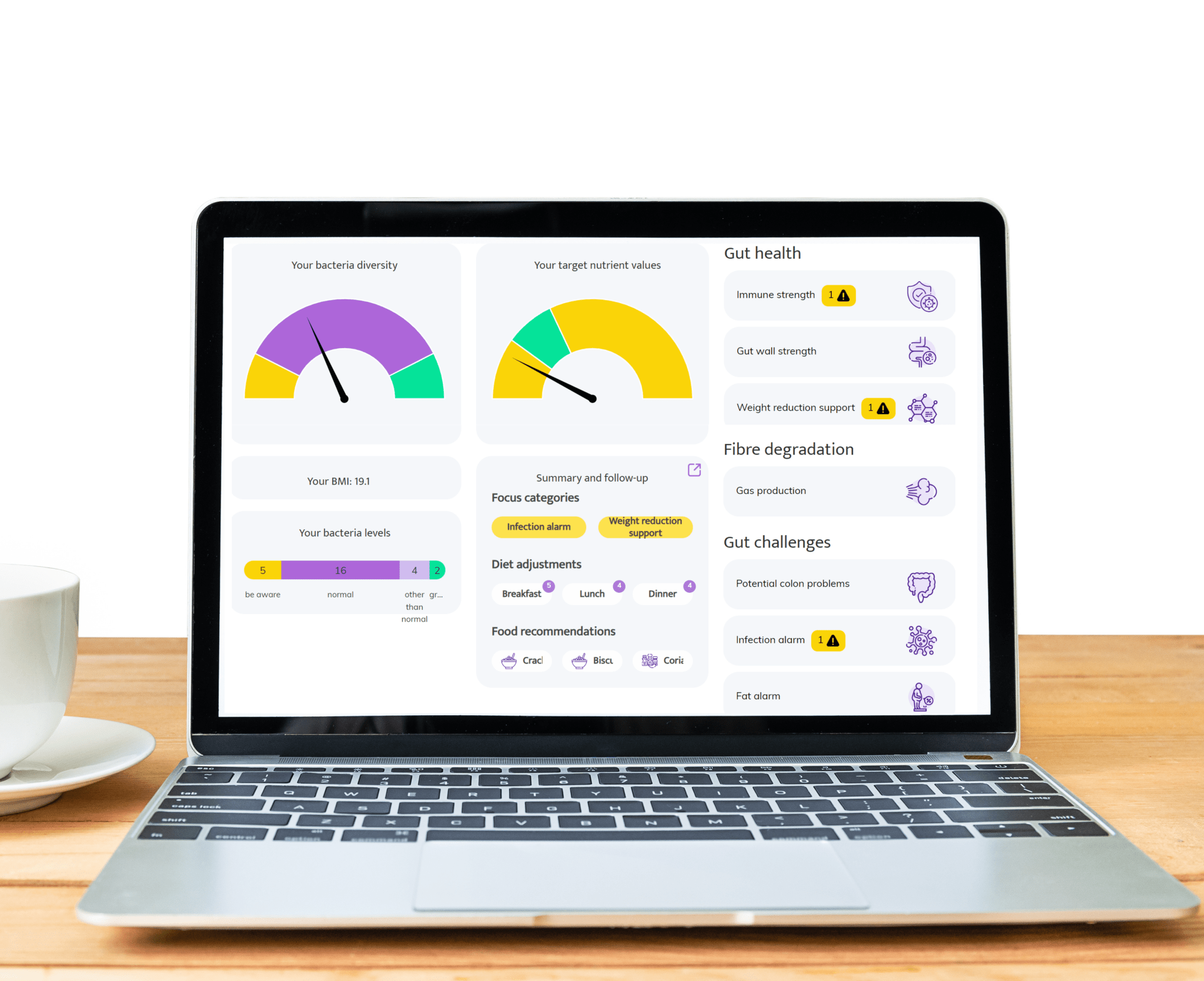
Your Gut Has a Story. Read It — Then Fix Potential Problems
Full microbiome sequencing + Gut Health Index. Metabolic pathways, diversity, keystone species. Personalized plans available (diet, supplements, diary, recipes). EU lab + Maastricht University spin-off + GDPR-safe.