Understanding the Connection Between Low Appetite, Gut Microbiome, and Gut Health Symptoms

Miscellaneous Insights into the Gut Microbiome: Broadening Our Understanding of Gut Health Symptoms & Conditions
Introduction to Low Appetite, Gut Microbiome, and Gut Health
Understanding the connection between low appetite, the gut microbiome, and gut health symptoms is crucial for recognizing and managing digestive and overall health issues. The gut microbiome, a complex community of trillions of microorganisms residing in the digestive tract, plays a pivotal role in regulating various bodily functions including metabolism, immune response, and even appetite regulation.
In recent years, scientific research has increasingly highlighted the intimate interplay between appetite and gut microbiota composition. This dynamic relationship is not only essential for maintaining digestive health but also impacts overall well-being. In this article, we will explore the biological mechanisms underlying low appetite, how the gut microbiome contributes to appetite regulation, and the common gut health symptoms associated with microbiome imbalances.
What Is Low Appetite?
Low appetite, medically known as hyporexia, refers to a decreased desire to eat that can lead to inadequate food intake and subsequent nutritional deficiencies. It can manifest as a symptom of various physiological or psychological conditions, including infections, chronic diseases, mental health disorders, and disturbances in gut function.
The consequences of low appetite can be significant, especially if it persists over time. Malnutrition, weight loss, fatigue, and compromised immune function are commonly associated with prolonged decreased food intake. Understanding the drivers behind low appetite requires an exploration into the complex signals and pathways responsible for hunger and satiety.
The Role of the Gut Microbiome in Appetite Regulation
The gut microbiome consists of bacteria, viruses, fungi, and other microorganisms forming a symbiotic community within the intestines. This community influences not only digestion but also systemic physiology, including appetite control.
Gut bacteria interact with the host by producing metabolic by-products such as short-chain fatty acids (SCFAs), neurotransmitters, and hormones that communicate with the nervous system, particularly the gut-brain axis. The gut-brain axis comprises neural, hormonal, and immunological pathways linking the gastrointestinal tract to the brain, thereby affecting feeding behavior.
Key mechanisms through which the gut microbiome affects appetite include:
Relationship Between Gut Health Symptoms and Appetite
Gut health symptoms commonly include bloating, constipation, diarrhea, abdominal pain, and indigestion. These symptoms often reflect underlying disturbances in the gut microbiome or mucosal barrier dysfunction.
When the gut environment is altered negatively, it can disrupt normal appetite signals by triggering discomfort or altering hormone production. For example, individuals experiencing nausea or abdominal cramping may have suppressed appetite. Moreover, chronic gut conditions such as irritable bowel syndrome (IBS), inflammatory bowel disease (IBD), or small intestinal bacterial overgrowth (SIBO) can contribute to persistent low appetite.
This introductory section provides the groundwork for understanding how low appetite, gut microbiome, and symptoms of gut health are interconnected. Subsequent parts will delve deeper into physiological pathways, clinical evidence, and management strategies.

The Biology of Appetite and Gut Microbiome Interactions
Physiological Basis of Appetite
Appetite is regulated through a complex system involving the central nervous system, gastrointestinal tract, and endocrine system. It is a finely tuned balance between hunger and satiety signals, influenced by nutrient availability, energy needs, and environmental factors.
The hypothalamus in the brain plays a central role by integrating peripheral signals. Key peptides such as neuropeptide Y (NPY), agouti-related peptide (AgRP), proopiomelanocortin (POMC), and cocaine- and amphetamine-regulated transcript (CART) modulate feeding behavior.
Peripheral organs secrete hormones involved in appetite signals:
Gut Microbiome's Influence on Appetite-Regulating Hormones
The gut microbiome contributes to the modulation of these hormones through various mechanisms. SCFAs produced by bacterial fermentation such as acetate, propionate, and butyrate can influence the release of peptide YY and GLP-1, enhancing feelings of satiety.
Moreover, gut bacteria indirectly influence ghrelin secretion. Certain species have been shown to decrease ghrelin levels, which corresponds to reduced hunger. Dysbiosis may disrupt this balance, leading to impaired appetite regulation.
Microbiota and Neurotransmitter Production Affecting Appetite
Gut bacteria synthesize or stimulate production of neurotransmitters involved in mood and behavioral regulation:
The gut microbiome’s role in neurotransmitter production implicates it in neuropsychiatric symptoms often co-occurring with appetite changes, such as depression or anxiety.
Inflammation and Gut Barrier Function
Gut microbiota influences gut barrier integrity. When this barrier is compromised, also known as "leaky gut," bacterial endotoxins like lipopolysaccharides (LPS) may enter the bloodstream and trigger systemic inflammation.
Systemic inflammation is linked to anorexia of aging or chronic disease, where inflammatory cytokines suppress appetite centers in the brain. Therefore, maintaining a healthy gut microbiome is crucial to preventing inflammation-driven appetite loss and gut symptoms.
Summary
This section elucidates the intricate biological relationship between appetite mechanisms and the gut microbiome. Understanding these interactions provides a foundation for addressing low appetite within the context of gut health.

Miscellaneous Insights into the Gut Microbiome: Broadening Our Understanding of Gut Health Symptoms & Conditions
Clinical Evidence Linking Low Appetite to Gut Microbiome and Health Symptoms
Observational Studies in Clinical Populations
Multiple clinical studies have identified correlations between alterations in gut microbiota and decreased appetite across diverse patient groups:
Interventional Trials Modulating Microbiota to Improve Appetite
Clinical trials exploring probiotics, prebiotics, and synbiotics to restore microbiome balance have shown promising results in improving appetite and gut symptoms:
The Gut-Brain Axis and Neuropsychological Factors
Beyond local gut effects, changes in microbiota affect neuropsychological health, which is tightly linked to appetite. Anxiety and depression often co-exist with gut disorders, and their effects on low appetite may be partly microbiome-mediated.
Psychobiotics, a class of probiotics targeting mental health symptoms via the gut-brain axis, have demonstrated potential in clinical trials to alleviate anxiety and depression, indirectly improving appetite in affected individuals.
Common Gut Health Symptoms Associated with Low Appetite
Various symptoms reflecting gut dysfunction contribute to appetite decrease and reflect microbiome disturbances, including:
Recognition of these symptoms alongside low appetite warrants comprehensive assessment of gut microbiome health to guide appropriate management.
Summary
In summary, robust clinical evidence supports the link between a disrupted gut microbiome, low appetite, and associated gut health symptoms. Therapeutic modulation of the microbiome holds promise in treating these intertwined conditions.
Strategies for Managing Low Appetite Through Gut Microbiome Optimization
Dietary Interventions to Support a Healthy Gut Microbiome
One of the most effective ways to improve gut microbiome diversity and function is through targeted nutrition. Dietary modifications can foster beneficial bacteria growth while suppressing harmful strains.
Probiotics and Prebiotics Supplementation
Supplements specifically designed to enhance gut microbial populations can be beneficial, particularly when natural dietary intake is insufficient or when microbiome disruption is severe.
Lifestyle and Behavioral Modifications
Beyond direct interventions on microbiota, lifestyle factors significantly influence appetite and gut health:
Medical Interventions for Underlying Causes
Addressing underlying conditions that cause or exacerbate low appetite is essential. Medical evaluation may identify treatable causes such as infections, gastrointestinal disorders, or nutrient deficiencies.
Pharmacological treatments may be indicated in specific cases, including appetite stimulants or anti-inflammatory agents to restore gut health.
Monitoring and Ongoing Assessment
Given the dynamic nature of the gut microbiome and appetite regulation, continuous monitoring through symptom tracking, nutritional status, and, when applicable, laboratory analysis of microbiota composition can guide personalized interventions.
Summary
Implementing multifaceted strategies targeting diet, supplementation, lifestyle, and medical care optimizes gut microbiome health and can alleviate low appetite along with gut health symptoms.

Future Directions and Conclusion
Emerging Research and Technologies
The field of gut microbiome research continues to evolve rapidly. Cutting-edge technologies such as metagenomics, metabolomics, and machine learning are enhancing our understanding of microbial diversity, functional capacity, and personalized responses to interventions.
Future therapies may include tailored microbiome-based approaches such as next-generation probiotics, postbiotics (microbial metabolites), and precision nutrition to specifically target appetite regulation and gut health.
Personalized Medicine and Microbiome-Based Diagnostics
Advances in microbiome profiling will enable clinicians to predict individual susceptibility to appetite disturbances related to microbiome imbalance. Personalized dietary and therapeutic plans can be designed based on one's unique microbiota landscape, improving efficacy and reducing side effects.
Challenges and Considerations
Despite significant progress, challenges remain such as:
Practical Takeaways
Conclusion
In conclusion, a growing body of evidence underscores the intricate connection between low appetite, the gut microbiome, and gut health symptoms. The gut microbiota influences appetite regulation through multiple biological pathways including hormone modulation, neurotransmitter production, and inflammatory signaling.
Recognizing and addressing gut microbial imbalances offers a promising avenue for improving appetite and overall digestive health. As research continues, personalized microbiome-based therapies hold the potential to revolutionize the management of appetite disorders and gut health challenges.
Ultimately, fostering awareness of this connection empowers individuals and healthcare providers to take proactive steps towards optimizing gut microbiome and nutritional status for better health outcomes.
Find more details about Miscellaneous
You can find more information on the related topics below.
Read more: Exploring Low Appetite and Gut Microbiome Links in Gut Health
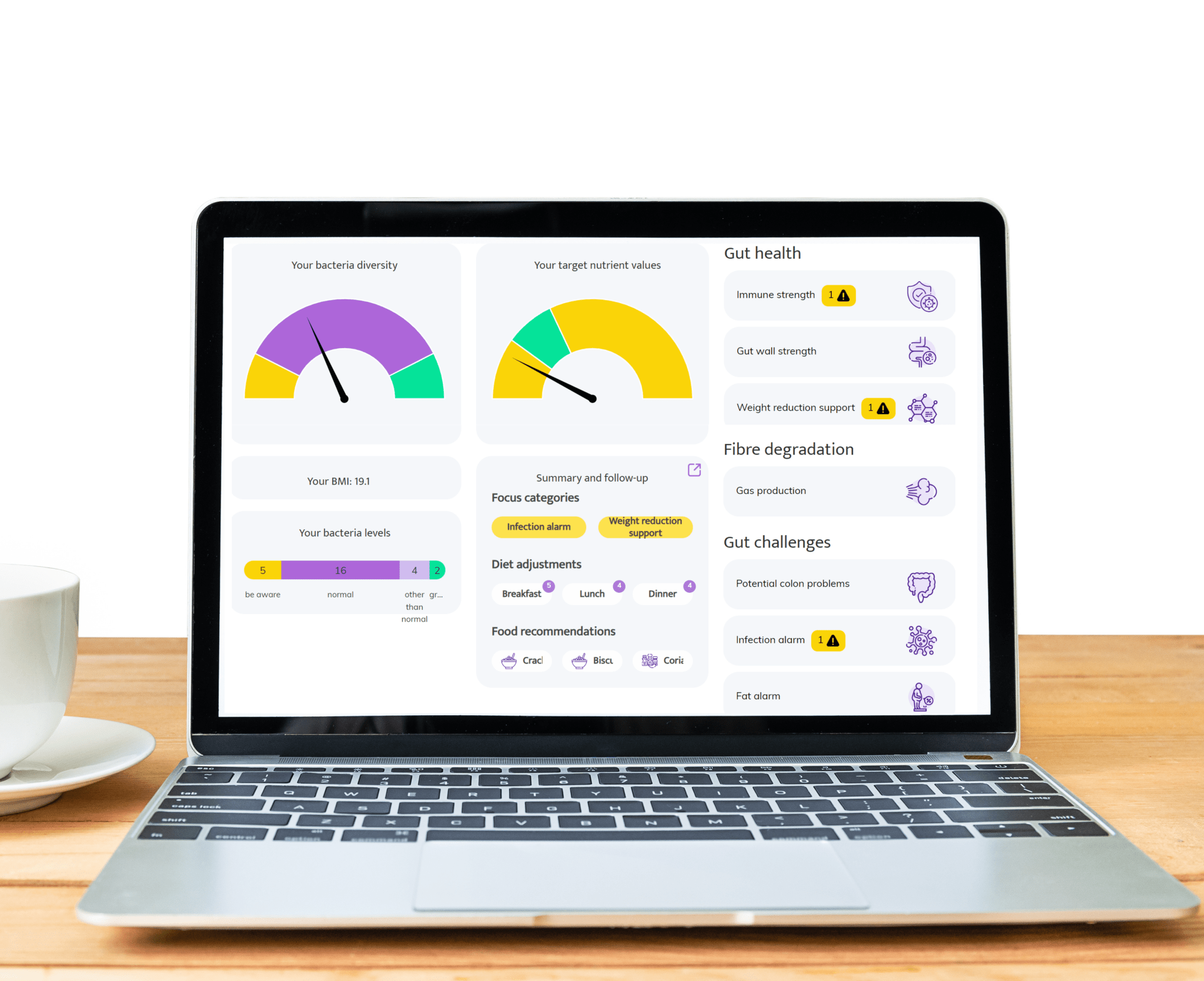
Your Gut Has a Story. Read It — Then Fix Potential Problems
Full microbiome sequencing + Gut Health Index. Metabolic pathways, diversity, keystone species. Personalized plans available (diet, supplements, diary, recipes). EU lab + Maastricht University spin-off + GDPR-safe.