Gut-Brain Axis Testing: How It Works, Signs of Imbalance & What to Expect

Gut Microbiome and Mental Health: The Gut-Brain Axis Explained
Understanding the Gut-Brain Axis and Mental Health
The gut-brain axis is a two-way communication network linking your digestive system with your brain. It runs through neural pathways, hormones and immune signals, so what happens in your gut can influence mood, stress responses and cognition — and what happens in your brain can influence digestion.
The gut microbiome, the trillions of bacteria and other microbes living in your digestive tract, plays a central role in this conversation. Research suggests the microbiome helps regulate inflammation and contributes to the production of neurotransmitters such as serotonin and dopamine, which are involved in mood and emotional well-being.
When this system falls out of balance, you may notice changes in both digestion and mental well-being at the same time. This is where gut-brain axis testing enters the picture: it analyses markers in your gut microbiome to help you and your healthcare provider understand what may be contributing to those symptoms.
What Is a Gut-Brain Axis Test?
A gut-brain axis test is not a single test but a category of assessments. Most combine microbiome analysis — often from a stool sample — with information about digestive function, inflammation markers and lifestyle factors. The goal is to build a picture of how your gut environment may be influencing, or being influenced by, your mental well-being.
These tests do not diagnose mental health conditions. They provide supporting information that can guide conversations with a qualified healthcare professional about diet, lifestyle and, where appropriate, further investigation.
Signs Your Gut-Brain Axis May Be Out of Balance
Common signs that the gut-brain connection may need attention include:
- Ongoing digestive discomfort such as bloating, gas, constipation or diarrhoea
- Sudden changes in appetite or unexplained weight changes
- Persistent fatigue or low energy
- Brain fog, difficulty concentrating or memory lapses
- Increased anxiety, irritability or low mood
- Disrupted sleep patterns
- Skin flare-ups such as eczema or acne
Experiencing one or more of these signs does not mean you have a gut disorder or a mental health condition. They can have many causes, which is why testing is best used alongside professional medical advice rather than as a substitute for it.

How Gut-Brain Axis Testing Works
Gut-brain axis testing uses laboratory analysis to examine biological samples — most commonly stool — for information about the microorganisms and metabolic markers present in your gut.
What the Test Analyses
Depending on the provider, a test may report on:
- Microbial composition: which bacterial species are present and in what relative proportions
- Diversity: a general indicator of how varied the microbial community is
- Metabolites: substances such as short-chain fatty acids produced during microbial fermentation
- Inflammation markers: indicators of immune activity in the gut
- Digestive function markers: signs of how effectively food is being broken down and absorbed
Testing Technologies
Different laboratories use different methods, and the depth of information varies accordingly:
- 16S rRNA sequencing identifies bacteria at a broad taxonomic level and is widely used for composition profiling.
- Shotgun metagenomics sequences all genetic material in a sample and can provide species-level and functional detail.
- Targeted panels look for specific organisms or markers rather than surveying the whole community.
- Blood or salivary biomarkers may be used alongside stool testing to assess hormones, immune markers or nutrient status.
Reading Your Results
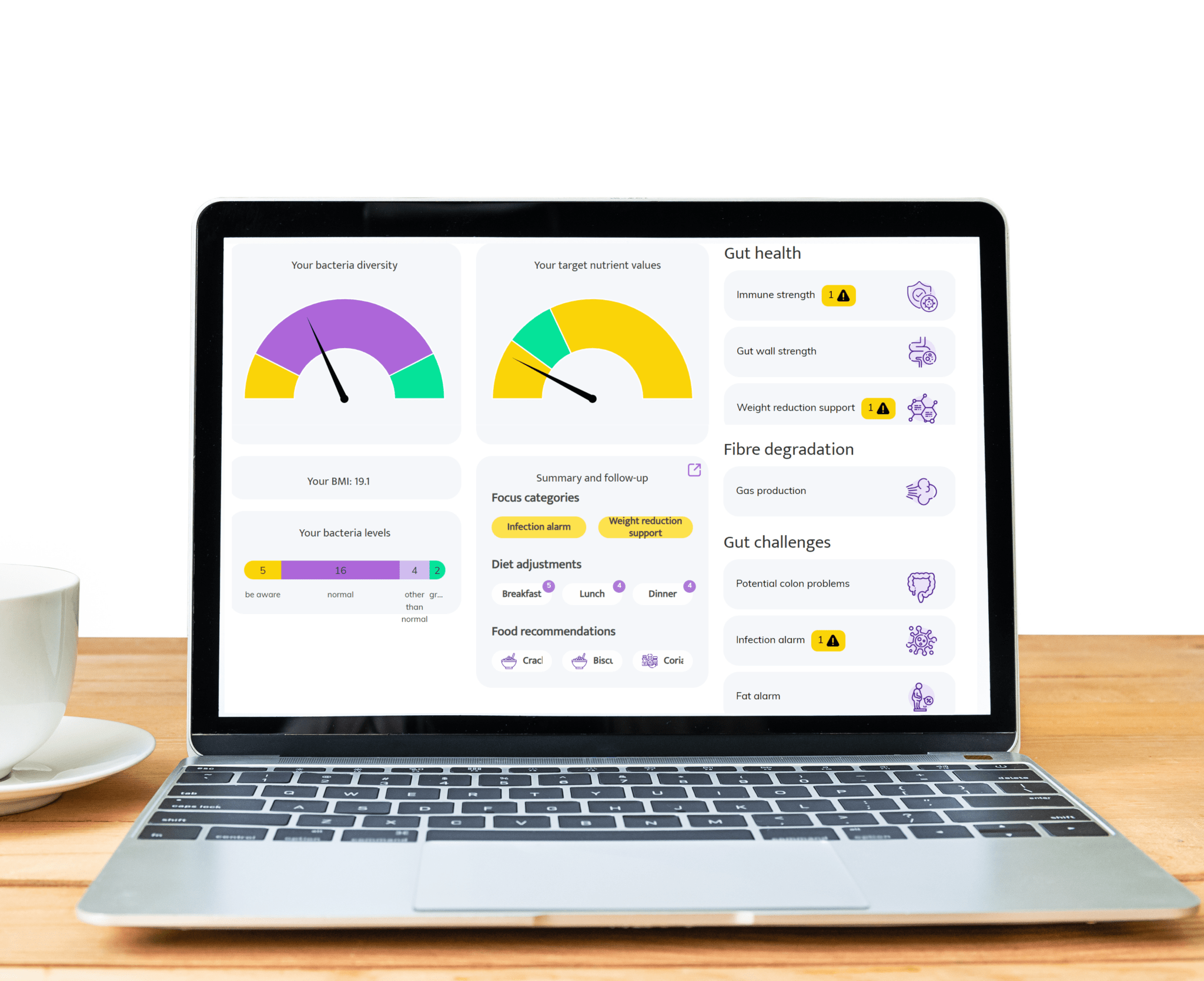
Results are typically presented as a report showing measured values alongside reference ranges. A healthcare professional can help interpret what these figures mean in the context of your symptoms, medical history and lifestyle. Results should be treated as one input into a wider assessment — not as a standalone diagnosis.
The Evidence Behind Microbiome Testing
Research into the gut-brain axis is active and growing. Studies have identified associations between microbial composition and conditions such as irritable bowel syndrome, anxiety and depression. However, much of this evidence is observational: it shows relationships, not proof that gut imbalances cause mental health conditions. Testing is therefore best understood as a tool that may provide useful insight and support personalised guidance, rather than one that confirms a diagnosis.

Gut Microbiome and Mental Health: The Gut-Brain Axis Explained
Potential Benefits of Gut-Brain Axis Testing
Used appropriately, gut-brain axis testing can complement conventional care by adding information that may support more tailored decisions about diet, lifestyle and, where relevant, further clinical investigation.
A More Personal Starting Point
Rather than applying general advice to everyone, test results can help you and your practitioner focus on the areas most relevant to your own profile — for example, a particular dietary change, a specific fibre intake goal, or a targeted probiotic strain.
Supporting Early Conversations
Identifying microbial or digestive markers before symptoms escalate can prompt an earlier conversation with a healthcare professional. This does not mean testing prevents illness; it means it may help you seek advice sooner.
A Foundation for Natural Changes
Many of the first-line responses to test findings are non-invasive: adjusting fibre and fermented food intake, increasing physical activity, managing stress and improving sleep. These changes carry minimal risk and support general health whether or not testing is used.
Staying Realistic About Outcomes
It is important to set expectations carefully:
- Test results do not predict how you will feel emotionally or cognitively.
- Improvements in gut markers do not guarantee improvements in mood.
- You should never stop or change prescribed medication based on test results alone — always speak to your prescriber.
- Not every marketed test is supported by strong clinical evidence, so choosing an accredited, transparent provider matters.
Gut-brain axis testing is most useful when it opens a constructive dialogue with a qualified professional and supports sustainable lifestyle change — not when it is treated as a standalone answer.
How to Prepare for and Take a Gut-Brain Axis Test
Choosing a Test and Provider
Start by discussing your symptoms and goals with a healthcare professional who understands gut health and microbiome science. They can help you decide whether testing is appropriate and which type may best fit your situation.
When selecting a test, consider:
- Whether the laboratory is accredited
- Which method is used (16S, shotgun metagenomics or targeted panel)
- How results are presented and whether professional interpretation is offered
- How your data is stored and protected
Preparing for Sample Collection
Preparation varies by test type, but common guidance includes:
- Follow any fasting or food restrictions specified by the provider.
- Check whether recent antibiotics, probiotics or laxatives should be disclosed, as they can influence results.
- Avoid changing your usual diet in the days before testing unless instructed — you want a representative snapshot.
- Read the collection instructions carefully before you begin.
During and After Testing
Most tests are non-invasive. Stool samples are collected at home using a provided kit, while blood or salivary samples may be taken in a clinic. Once your sample reaches the laboratory, it is analysed and a report is generated, usually within one to three weeks.
After receiving results, book time with your healthcare provider to review them. Ask what the findings do and do not tell you, and what — if anything — you should change first.
Follow-Up and Retesting
If you make changes based on your results, your provider may suggest retesting after a set period to observe whether markers have shifted. Retesting is optional and should be justified by a clear question you are trying to answer, not performed automatically.

Lifestyle Habits That Support the Gut-Brain Axis
Whatever your test results show, certain everyday habits consistently support both gut microbial balance and mental well-being.
Eat a Diverse, Fibre-Rich Diet
A wide variety of plant foods — vegetables, fruits, legumes, whole grains, nuts and seeds — provides the different fibres that gut microbes ferment into beneficial compounds. Fermented foods such as yoghurt, kefir, kimchi and sauerkraut are also commonly associated with a more diverse microbiome, though individual responses vary.
Manage Stress
Chronic stress can alter gut motility and secretion and has been associated with changes in microbial composition. Practices such as mindfulness meditation, slow breathing, yoga and time in nature can help modulate the stress response.
Protect Your Sleep
Sleep and the gut microbiota influence each other. Aim for a consistent sleep schedule, limit screens before bed, and keep your bedroom dark and cool to support restorative rest.
Move Regularly
Moderate physical activity has been associated with greater microbial diversity and can improve mood through well-established effects on circulation, stress hormones and sleep.
Use Medicines Thoughtfully
Antibiotics are sometimes necessary and should never be refused when prescribed, but they do disrupt microbial communities. Discuss with your doctor whether any non-essential medication could be reviewed.
Stay Hydrated
Adequate fluid intake supports digestion, nutrient transport and the mucosal lining of the gut.
Consider Supplements With Guidance
Probiotics, prebiotics, vitamin D and B vitamins may have a role for some people, but evidence is strain-specific and context-dependent. Discuss any supplement with your healthcare provider, particularly if you take medication or have a health condition.
Build Social Connection
Strong social ties are consistently linked with better mental health, which in turn supports the gut-brain relationship.
Putting It All Together
Gut-brain axis testing can be a useful lens for understanding your own body, but it works best alongside professional medical advice and sustainable daily habits. Neither testing nor any single lifestyle change is a cure for mental health conditions — if you are struggling, please reach out to a qualified healthcare professional for individual support.
Find more details about Mental Health
You can find more information on the related topics below.
Read more: Gut-Brain Axis Testing: How It Works & What to Expect
Your Gut Has a Story. Read It — Then Fix Potential Problems
Full microbiome sequencing + Gut Health Index. Metabolic pathways, diversity, keystone species. Personalized plans available (diet, supplements, diary, recipes). EU lab + Maastricht University spin-off + GDPR-safe.