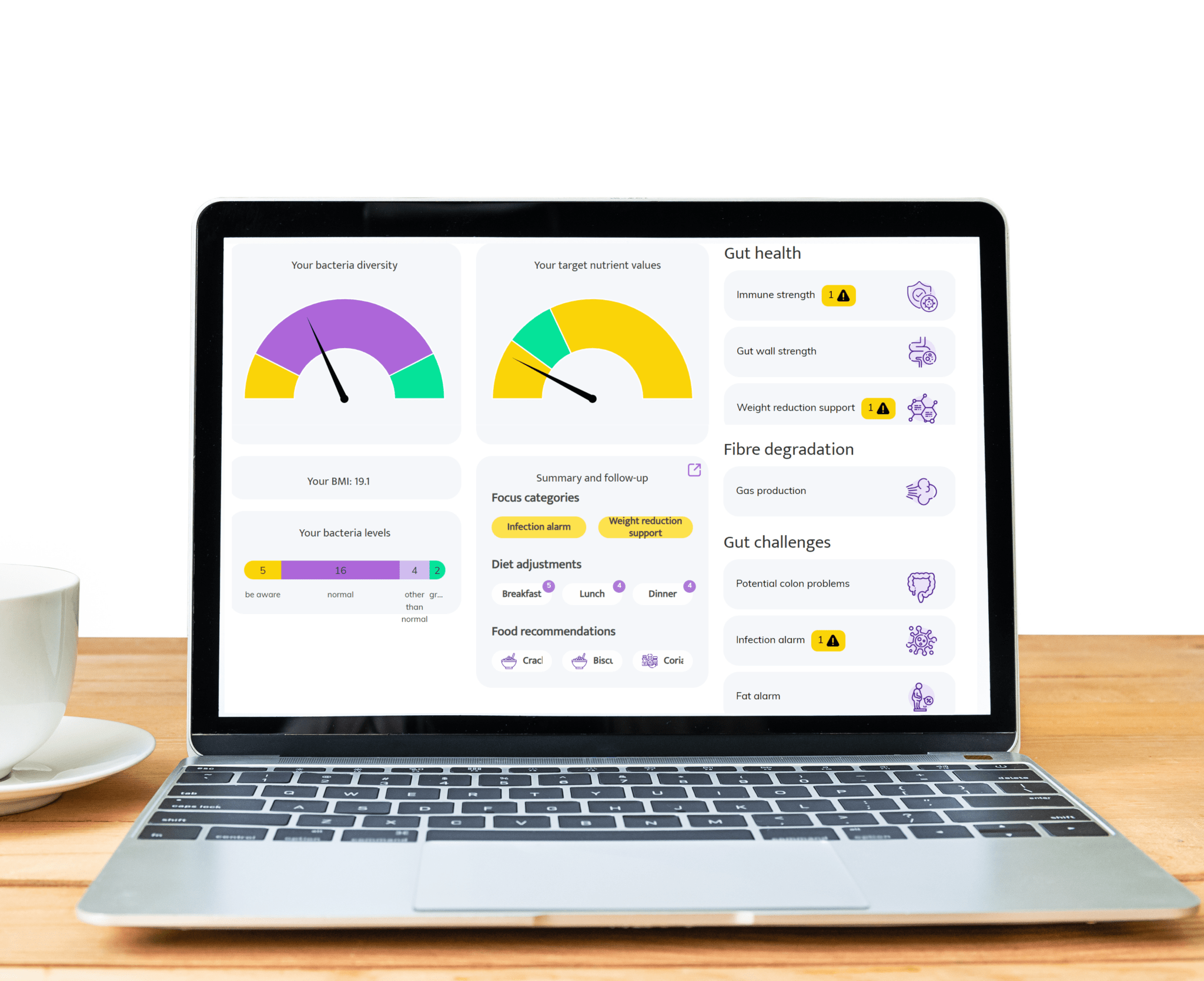
Food Intolerance, Digestion, and the Gut Microbiome
Food intolerances are common, but they are often misunderstood. They can cause digestive discomfort and may be linked to changes in the gut microbiome. Understanding how your gut works, and how food intolerances differ from allergies, is an important first step toward better digestion.
What Are Food Intolerances?
Food intolerances occur when the digestive system has difficulty breaking down or processing certain foods or components. Symptoms are usually delayed and may include bloating, gas, abdominal pain, diarrhea, or nausea. Common examples include lactose intolerance, sensitivity to certain FODMAPs, and reactions to additives or preservatives.
Food intolerances are not the same as food allergies. Allergies involve the immune system and can cause immediate or severe reactions, while intolerances mainly affect digestion. If you suspect an allergy, seek medical advice.
Six Common Signs Your Gut May Be Struggling
Digestive symptoms can have many causes, and the following signs do not confirm a specific condition. They are simply common reasons people seek advice about gut health.
- Bloating, gas, or abdominal discomfort after meals
- Constipation, diarrhea, or alternating bowel habits
- Fatigue or low energy that does not improve with rest
- Heartburn, nausea, or feeling unusually full after eating
- Delayed reactions to certain foods, such as bloating or headaches
- Changes in mood, sleep, or skin that appear alongside digestive issues
If symptoms are persistent, severe, or accompanied by weight loss, blood in the stool, or fever, speak with a healthcare professional.
How the Gut Microbiome Affects Digestion
The gut microbiome is the community of bacteria, fungi, viruses, and other microorganisms living in the digestive tract. These microbes help break down fiber and other compounds that the body cannot digest on its own. They also produce metabolites such as short-chain fatty acids, which can support the gut lining and influence inflammation and metabolism.
An imbalance in the microbiome, often called dysbiosis, has been associated with digestive conditions such as irritable bowel syndrome (IBS), bloating, and constipation. Research also suggests that the gut microbiome communicates with the brain through the gut-brain axis, which may influence mood, stress, and sleep.