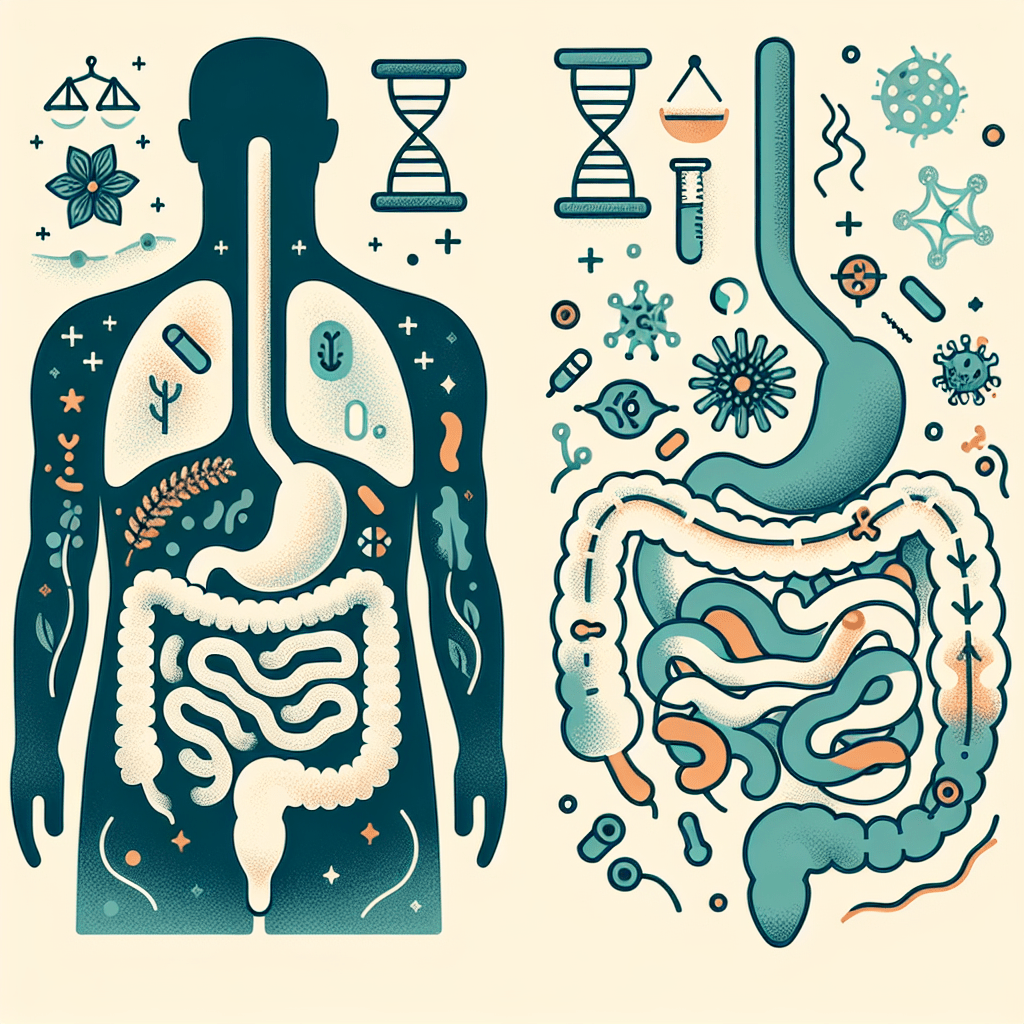
What could be the cause of frequent bowel movements and flatulence?
Discover the common causes of frequent bowel movements and flatulence, and learn how to address these uncomfortable symptoms. Get expert... Read more
Intestinal motility is crucial for digestive health, referring to the coordinated muscle contractions in the gastrointestinal tract that aid in moving food and waste. Key mechanisms like peristalsis and segmentation highlight its importance in digestion and nutrient absorption. Disruptions in intestinal motility can lead to symptoms such as constipation, diarrhea, bloating, and abdominal discomfort, significantly impacting quality of life.
The gut microbiome plays a significant role in motility by influencing muscle activity through signaling pathways and microbial metabolites like short-chain fatty acids (SCFAs). Dysbiosis, or an imbalance in gut flora, can disrupt normal motility, contributing to various gastrointestinal disorders. Therefore, integrating gut microbiome testing can aid in understanding these complexities and identifying potential issues related to motility. Tests can reveal microbial profiles linked to motility and guide dietary or therapeutic interventions for optimal gut health.
Recognizing symptoms of motility issues is vital, but it’s equally important to seek a comprehensive evaluation that includes gut microbiome testing for deeper insights. By embracing a personalized, evidence-informed approach, individuals can effectively manage their gut health, leading to improved overall well-being. Stay engaged with your health and consult healthcare providers for tailored strategies to support your unique intestinal motility needs.
Discover the common causes of frequent bowel movements and flatulence, and learn how to address these uncomfortable symptoms. Get expert... Read more
Understanding intestinal motility is crucial for optimizing your digestive health. This essential function dictates how food and waste move through the gastrointestinal tract, significantly influencing your day-to-day comfort and long-term well-being. In this comprehensive guide, you will delve into the core concepts of intestinal motility, explore the connection between gut health and the microbiome, recognize symptoms linked to motility issues, and learn about the value of microbiome testing as a diagnostic tool to better understand your gut health.
Intestinal motility refers to the coordinated contractions of the muscles in the intestinal walls, allowing for the movement of food and waste through your digestive system. This process includes key mechanisms such as peristalsis, which is the wave-like muscle contractions that propel content forward, segmentation, which involves the mixing of food with digestive juices, and migrating motor complexes (MMC), which occur between meals to help clear waste. The enteric nervous system, often dubbed the "second brain," plays a crucial role in coordinating these activities, interacting with gut-brain signals to fine-tune motility. Understanding intestinal motility is essential because disruptions can lead to various gastrointestinal issues, affecting digestion and nutrient absorption.
Normal intestinal motility is characterized by distinct transit times across different sections of the gastrointestinal tract. For instance, food typically takes about 6 to 8 hours to move from the stomach to the small intestine and an additional 24 to 72 hours to traverse the large intestine. However, several factors can affect motility patterns, including meal composition, sleep cycles, stress levels, medication use, and age. It's important to recognize that what may be normal for one individual can differ significantly for another.
The regulation of intestinal motility is influenced by complex neural, hormonal, and immune mechanisms. The release of hormones such as gastrin and motilin helps promote contractions, while gut microbiota can influence motility via their metabolic byproducts. Efficient motility is vital for digestion, nutrient absorption, and maintaining the integrity of the intestinal barrier, highlighting why it’s a cornerstone of gut health.
Understanding intestinal motility is essential to grasp how it impacts common digestive symptoms. For example, abnormal motility can lead to constipation, diarrhea, bloating, abdominal pain, and a general sense of discomfort. These symptoms highlight the significance of coordinated muscle function and can greatly affect quality of life.
Additionally, motility is intricately linked to gut health. Good motility ensures a proper balance of gut microbiota, supports mucosal health, and facilitates appropriate immune signaling. When motility is disrupted, it can lead to dysbiosis, a microbial imbalance that adversely affects overall health.
From energy levels to quality of life, intestinal motility affects various aspects of health. Chronic motility issues may also increase the risk of developing gastrointestinal disorders, further reinforcing the need for a robust understanding of this vital process. Having insights into your intestinal motility can empower you to make informed decisions about your dietary habits and lifestyle modifications.
Be aware of symptoms that may indicate motility issues, such as chronic constipation, alternating bouts of constipation and diarrhea, excessive bloating, and an unshakable feeling of fullness after meals. Recognizing these signs can prompt further exploration into the underlying causes.
Seek medical advice if you experience alarming symptoms, such as unexplained weight loss, severe abdominal pain, persistent vomiting, or blood in the stool. These red flags necessitate timely evaluation as they may indicate serious gastrointestinal conditions.
Several gastrointestinal disorders are closely associated with intestinal motility dysfunction, including Irritable Bowel Syndrome (IBS) with constipation or diarrhea as the predominant symptoms, functional dyspepsia, and various dysmotility syndromes. Understanding these conditions can help guide appropriate management and treatment options.
Individual variability in intestinal motility is influenced by a multitude of factors, including genetic predispositions, age progression, sex differences, and lifestyle choices. What constitutes normal for one person may not hold for another, making personalized assessments crucial.
Because “normal” motility patterns can vary widely, defining standard norms is challenging. This variability underscores the necessity of individual assessments and the recognition that gastrointestinal motility is not a one-size-fits-all experience.
Accepting the inherent uncertainties and variations in gut health is vital as understanding the whole picture may require longitudinal observation. Gathering objective data beyond symptoms can assist in drawing a clearer correlation between motility and individual experiences.
Similar gastrointestinal symptoms, such as bloating or abdominal pain, can arise from various underlying issues. Therefore, careful differentiation between these conditions is essential for accurate diagnosis and appropriate treatment.
Treating symptoms in isolation without an understanding of underlying motility drivers can lead to ineffective management. This highlights the importance of a structured, data-informed approach to gain deeper insights into digestive health.
A comprehensive evaluation combining thorough history-taking, physical examinations, and targeted tests can yield far more specific insights than symptom assessment alone. This approach provides a more detailed understanding of what might be influencing intestinal motility.
The gut microbiome plays a significant role in modulating intestinal motility. Various microbes communicate with the gut and can influence motility through mechanisms such as signaling pathways and metabolic products like short-chain fatty acids (SCFAs). These interactions are crucial when considering the implications of microbiome health on motility.
Specific microbial communities—such as methane producers—can have profound effects on gastrointestinal motility. Methane is known to slow transit time, while other metabolites can either promote or inhibit muscle contractions within the gut.
The interplay between the gut microbiome and the brain is a critical area of study. Microbial signals can modulate stress responses, which in turn can impact GI motility. This bidirectional communication underpins the importance of considering the microbiome in discussions of gut health.
Dysbiosis—an imbalance in the gut microbiome—can increase susceptibility to motility disorders. Conditions such as Small Intestinal Bacterial Overgrowth (SIBO) can lead to increased inflammation and disrupt normal transit patterns, contributing to dysmotility.
Specific bacterial groups can affect motility in distinct ways. For instance, an abundance of methane-producing bacteria may slow gastrointestinal transit, while a reduction in SCFA-producing bacteria can impact gut barrier functions. These microbial factions play a crucial role in overall digestive health.
Low-grade inflammation resulting from dysbiosis can lead to altered motility patterns, further complicating gastrointestinal health issues. Understanding these interactions is vital for addressing motility problems holistically.
Microbiome tests typically assess the composition and diversity of gut flora through stool-based sequencing techniques, like 16S ribosomal RNA sequencing and shotgun metagenomics. These tests can provide valuable insights into the abundance of specific taxa and their inferred metabolic capabilities relevant to motility.
While microbiome testing can offer contextual clues about dysbiosis and potential microbial drivers of motility issues, it does not directly measure motility itself. Thus, results should be interpreted with caution and alongside other clinical findings.
Factors such as turnaround time, cost, sample handling, and interpretation needs play an important role in the decision to pursue microbiome testing. A collaborative approach with healthcare providers can facilitate understanding and utilization of test results.
Microbiome testing can reveal important findings related to intestinal motility, including the presence of methane-producing bacteria (potentially linked to slower transit), levels of SCFA-producing bacteria, and patterns of dysbiosis associated with functional GI disorders. These insights can inform dietary adjustments and other therapeutic strategies.
The findings from microbiome tests can guide dietary modifications, such as incorporating higher fiber or low FODMAP diets, suggest specific probiotics or digestive enzymes, and inform potential follow-up testing to monitor changes over time.
It is essential to view microbiome test results as part of a larger diagnostic puzzle, integrating them with clinical data to make well-informed decisions about therapeutic interventions. Rigorous clinical correlation is vital for accurate application of findings.
Microbiome testing may be beneficial for individuals exhibiting IBS subtypes, chronic bloating, or post-infectious gut symptoms that do not have clear underlying causes. Identifying microbiome imbalances could pave the way for targeted interventions.
After exploring conventional therapies, individuals with unresolved digestive symptoms may find value in microbiome testing. This could shed light on overlooked aspects of their gut health, guiding a tailored approach to management.
Situations such as recent antibiotic usage, travel history, or significant dietary changes may warrant microbiome testing, especially if there are indications of SIBO or other dysbiosis patterns. Testing can provide useful insights in complex cases.
Who should interpret results
Collaboration with healthcare professionals, such as clinicians, gastroenterologists, or registered dietitians, is critical when interpreting microbiome test results. Expertise in understanding how these findings interact with symptoms can lead to more effective management strategies.
Microbiome testing may be deemed appropriate to refine diagnoses, policy tailored dietary changes, or inform the selection of probiotics/therapies aimed at optimizing gut health.
When selecting a microbiome test, consider the scope of the panel (whether taxonomic or functional), the type of sample required, potential costs involved, and the level of clinician support provided during the interpretation process.
Discussing microbiome test findings with a clinician is crucial for translating results into actionable steps that prioritize individualized care and promote optimal gut health.
Post-test, consider dietary interventions—like increased fiber or low-FODMAP options—lifestyle adjustments, and, if needed, follow-up testing to monitor progress and adapt as necessary.
In summary, recognizing the importance of intestinal motility alongside gut microbiome health can significantly enhance your understanding of digestive well-being. Take note that these concepts are interrelated and pivotal to overall health.
Understanding your unique microbiome and its implications for motility fosters a more tailored approach to care. Engaging with qualified healthcare professionals can steer you toward optimized health outcomes.
Start with a clinician-led evaluation, evaluate the need for targeted microbiome testing if appropriate, and implement individualized lifestyle and dietary strategies to improve gut health.
Your gut health is a dynamic and individualized system; informed insight into your gut microbiome can support better health outcomes and overall well-being.
Intestinal motility refers to the coordinated contractions of muscles in the gastrointestinal tract that facilitate the movement of food and waste. It includes processes such as peristalsis and segmentation and is crucial for digestion.
Intestinal motility plays a vital role in nutrient absorption, digestion, and overall gut health. Disruptions can lead to various gastrointestinal disorders and affect quality of life.
The gut microbiome influences intestinal motility through microbial signaling and metabolic byproducts, such as SCFAs. An imbalance in gut flora can disrupt motility patterns, contributing to digestive issues.
Common symptoms of motility issues include constipation, diarrhea, bloating, and abdominal pain. If you experience persistent or severe symptoms, it may be beneficial to consult a healthcare provider.
Dysmotility can lead to malnutrition, discomfort, and increased risk of gastrointestinal disorders. It may also affect the microbiome balance and overall health.
Symptoms can overlap across various gastrointestinal disorders, making it essential to gather objective data and perform thorough evaluations to understand the underlying causes of motility problems.
Dysbiosis refers to an imbalance in the gut microbiome, which can negatively impact digestive health. It has been linked to a range of gastrointestinal disorders, including dysmotility.
Consider microbiome testing if you have persistent symptoms not explained by standard assessments, or if you've undergone treatments that weren't effective. It can provide insights into potential microbial factors influencing your gut health.
Interpreting microbiome test results should be done in collaboration with healthcare practitioners who can integrate these findings with clinical assessments and recommend actionable steps tailored to your health needs.
After receiving test results, consult with your healthcare provider to discuss dietary changes, lifestyle adjustments, and potential follow-up testing to optimize your gut health.
Stress can disrupt the balance of the gut-brain axis, leading to altered motility patterns. It can exacerbate motility issues and contribute to gastrointestinal discomfort.
Yes, lifestyle changes such as regular exercise, adequate hydration, managing stress, and following a balanced diet can positively influence intestinal motility and overall digestive health.
Get the latest gut-health tips and be the first to know about new collections and exclusive offers.