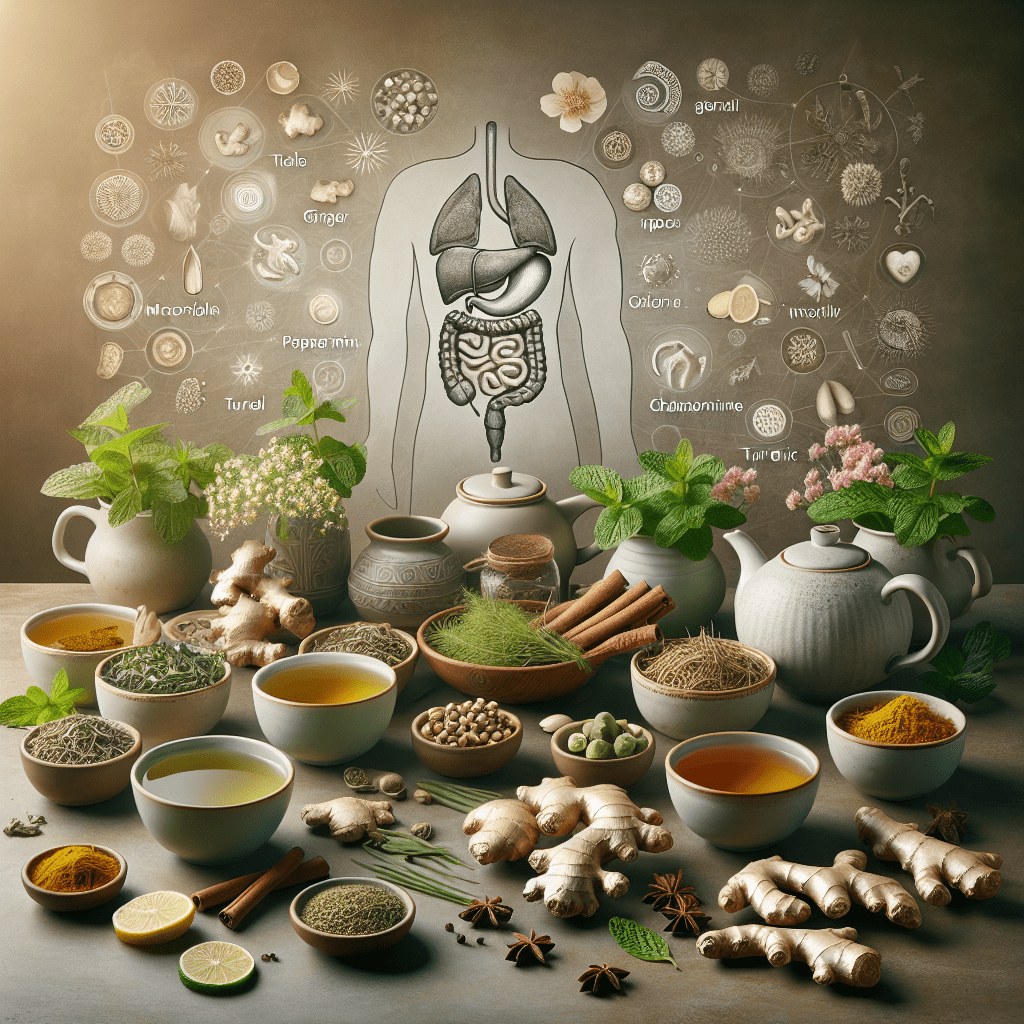
Herbal teas for gut health have gained popularity for their soothing qualities and potential to assist digestion naturally. This article explores the best herbal teas that promote gut wellness, detailing the specific benefits of various herbs, the mechanisms behind their effects, and how they can contribute to overall digestive health. Understanding the gut microbiome is essential as it plays a crucial role in digestion, and we will discuss how personalized microbiome testing can give deeper insights into your individual gut health.
Best herbal teas for gut health: core explanation
How herbal teas for gut work in the body
Herbal teas can help support gut health through several biological mechanisms. Many herbs are carminative, meaning they can relieve gas and bloating by relaxing the digestive tract muscles. Additionally, anti-inflammatory properties found in certain herbs may ease inflammation in the gut lining. These soothing effects can help regulate gut motility, support bile flow, and enhance overall digestion, allowing for a more comfortable eating experience.
Common herbs and blends with digestive benefits
Several herbs have well-documented digestive benefits:
- Ginger: Known for its ability to relieve nausea, ginger also promotes digestion.
- Peppermint: This herb can soothe abdominal discomfort and reduce gas.
- Chamomile: Often used for its calming properties, chamomile can also help relax the digestive system.
- Fennel: Traditionally used to combat bloating and gas, fennel can support digestive health.
- Cumin: Known to enhance digestion and reduce food sensitivities.
- Lemon balm: A gentle herb that can alleviate stomach cramps and reduce anxiety that impacts digestion.
- Dandelion: This herb may stimulate digestion and bile production.
- Licorice: With its soothing properties, it is sometimes used for gastrointestinal issues but should be approached with caution due to potential side effects.
Additionally, blending these herbs, such as ginger-fennel or peppermint-chamomile, can create potent combinations that enhance their digestive benefits.
Distinguishing herbal teas from other digestive aids
It's important to note that while herbal teas can provide digestive support, they are not a replacement for probiotics, medications, or other medical therapies. Herbal teas may complement these treatments but should not be solely relied upon for severe or recurring digestive issues.
Why gut health matters for digestion and overall wellbeing
Core digestive symptoms to watch
Many people experience digestive symptoms that indicate their gut health may need attention. Common signs include:
- Bloating
- Gas
- Abdominal discomfort
- Irregular bowel movements
- Heartburn
- Signs of food sensitivities
Additional signals and health implications
Gut health does not only affect digestion; it also has broader implications for overall wellbeing. Issues such as energy fluctuations, skin concerns, mood changes, and impaired cognitive function may stem from an imbalanced gut microbiome. Recognizing and addressing gut health can, therefore, improve overall quality of life.
Symptoms, signals, and health implications: the bigger picture
Interpreting signals beyond digestion
Gut signals are often reflections of microbiome balance, gastrointestinal transit time, and barrier integrity. For instance, prolonged bloating or changes in bowel habits may indicate underlying dysbiosis—a disruption in the natural balance of gut bacteria.
When gut symptoms warrant deeper evaluation
While many symptoms may be benign, certain red flags warrant deeper medical evaluation, such as blood in the stool, significant weight loss, fever, or severe abdominal pain. In these cases, consulting a healthcare professional is crucial.
Individual variability and uncertainty in herbal approaches
Why responses differ across people
Individual responses to herbal teas can vary dramatically due to factors including unique microbiome composition, genetic predispositions, and previous dietary exposures. What works well for one person might not yield the same benefits for another.
Safety considerations and contraindications
While many herbal teas are safe, there are important safety considerations. Herbs can interact with medications or may not be suitable during pregnancy or breastfeeding. Some herbs, like licorice, may pose risks for individuals predisposed to kidney stones or other health concerns.
Embracing uncertainty
As with any natural remedy, the outcomes from using herbal teas are not universally predictable. Personalized experimentation and symptom monitoring are key strategies for finding what works best for you.
Why symptoms alone do not reveal root cause
Symptom overlap across conditions
Many digestive conditions, such as Irritable Bowel Syndrome (IBS), Inflammatory Bowel Disease (IBD), Small Intestinal Bacterial Overgrowth (SIBO), and food intolerances, can present with overlapping symptoms. This makes it essential to avoid jumping to conclusions based solely on symptoms.
The risk of guessing without deeper assessment
Self-diagnosis or reliance on anecdotal advice can often mislead individuals and delay the appropriate care and lifestyle changes needed for improvement.
The gut microbiome and herbal teas
How the microbiome influences digestion and herb metabolism
The gut microbiome plays a critical role in how our body digests food and metabolizes various substances, including the polyphenols and fibers found in herbal teas. Microbial enzymes help break these compounds down, enhancing their efficacy.
How herbs may modulate the microbiome
Many herbs contain prebiotic fibers and polyphenols that can promote healthy gut bacteria, potentially shifting microbial balance positively. The antimicrobial effects of some herbs may also play a role in maintaining gut health.
What research says today
Current research is ongoing and evolving, revealing interesting connections between herbal consumption and microbiome health. However, limitations persist, such as variability in how different individuals respond to the same herbs.
How gut microbiome imbalances may contribute to gut symptoms
Dysbiosis patterns linked to digestion-related symptoms
Dysbiosis is often marked by reduced diversity in gut bacteria and altered ratios of bacterial groups, which can contribute to symptoms like bloating, constipation, or diarrhea. Understanding these patterns is crucial for effective management.
Mechanistic links to symptom development
Shifts in microbial composition can lead to compromised gut barrier function, heightened immune responses, excess gas production, and alterations in gastrointestinal motility—all of which can manifest as digestive disturbances.
Microbiome testing: providing insight for digestion and herbal planning
What a microbiome test can reveal in this context
Microbiome testing can yield valuable insights, such as the diversity of microbes present, the relative abundances of specific bacterial genera, and potential metabolic pathways that may affect digestion and herb response.
Test types and what they measure
Common testing methods include 16S rRNA sequencing, shotgun metagenomics, and stool metabolomics. Each type provides different insights, and understanding what you want to learn is essential when selecting a test.
Limits and caveats
Microbiome tests have limitations, including variability in sampling and interpretation challenges. It’s important to view these tests as one element of a broader clinical picture rather than conclusive evidence.
Who should consider microbiome testing
Individuals with chronic or unsettled GI symptoms
People experiencing persistent symptoms despite basic dietary modifications or standard medical care might benefit from understanding their microbiome better, as this could reveal underlying issues.
People exploring personalized herbal/diet strategies
For those interested in tailoring their herbal tea choices and dietary strategies to their unique gut health profile, microbiome testing can provide the essential insights needed for a personalized approach.
Contexts where testing adds value
Microbiome testing can be particularly informative for individuals with a history of antibiotic use, suspected dysbiosis-related systemic symptoms, or those interested in integrative health approaches.
Decision-support: when microbiome testing makes sense
Criteria signaling testing may be appropriate
Indicators that microbiome testing may be prudent include the presence of ongoing gastrointestinal symptoms, functional GI concerns without a known cause, or a desire to develop a personalized dietary or herbal plan.
How to prepare for testing
To prepare for microbiome testing, maintaining dietary consistency before the test, avoiding antibiotics or laxatives unnecessarily, and using a reputable testing service is critical for accurate results.
Using test results to guide tea and diet
Once results are obtained, individuals can collaborate with qualified healthcare providers to translate microbial insights into applicable tea choices, timing, and dietary adjustments for improved gut health.
Conclusion: connecting herbal teas for gut health to understanding your microbiome
Synthesis of takeaways
Herbal teas can support gut health, but they represent just one facet of a comprehensive, personalized approach to wellness. Gaining insights from microbiome testing can help tailor your choices to optimize digestive health further.
Practical next steps
Consider trying targeted herbal teas, track any changes in symptoms, and think about microbiome testing if issues persist or require further personalization. Consulting a healthcare professional is recommended when navigating gut health concerns.
A measured, evidence-informed mindset
Approach gut health with curiosity and careful observation while avoiding excessive claims about herbal teas. Understanding the individual nature of gut biology is essential for effective management.
Key Takeaways
- Herbal teas can naturally support gut health and enhance digestion.
- Common beneficial herbs include ginger, peppermint, and chamomile.
- Symptoms like bloating and gas may signal the need for dietary adjustments.
- The gut microbiome significantly influences digestive health and tea efficacy.
- Microbiome testing can provide personalized insights for managing gut health.
- Individual responses to herbal remedies vary based on microbiome composition and genetics.
- Self-diagnosing can lead to mismanagement—medical assessment is vital for persistent symptoms.
- Herbal teas are not a substitute for medical treatments; they can complement them.
- Understanding your microbiome helps tailor dietary and herbal strategies effectively.
- Consulting with healthcare professionals is advisable for comprehensive gut health management.
Q&A Section
1. What are the best herbal teas for digestion?
Ginger, peppermint, chamomile, and fennel are popular options known for their digestion-supporting properties, each offering unique benefits to the digestive system.
2. How do herbal teas benefit gut health?
Herbal teas can alleviate symptoms such as bloating and gas, reduce inflammation, and support gut motility, promoting a healthier digestive environment.
3. Can herbal teas replace medications for digestive issues?
While herbal teas can enhance digestion and provide relief, they should not replace medications or medical treatments prescribed by healthcare professionals for significant digestive issues.
4. Are there any risks associated with herbal teas?
Some herbal teas may interact with medications or may not be recommended during pregnancy. It's essential to consult with a healthcare provider regarding safety.
5. How can I determine if a herbal tea is right for me?
Individual responses to herbal teas vary widely based on personal health conditions, diet, and microbiome composition. Starting with one type and monitoring effects is advisable.
6. What causes gut dysbiosis?
Factors such as a poor diet, antibiotic use, and stress can lead to gut dysbiosis, which is an imbalance in the gut microbiome that can negatively affect digestion and health.
7. How does microbiome testing work?
Microbiome testing typically involves stool samples analyzed for the diversity and abundance of various gut bacteria. This information can provide insights into one's gut health.
8. Who should consider microbiome testing?
Individuals experiencing chronic digestive symptoms, those wanting to personalize dietary strategies, or anyone with a history of antibiotic use may benefit from microbiome testing.
9. What can microbiome testing reveal?
Testing can reveal microbial diversity, specific bacterial populations, and metabolic pathways that may influence digestion and overall health.
10. How long does it take to see results from herbal teas?
Results from consuming herbal teas may vary; some individuals may notice changes quickly, while others might take weeks to experience significant benefits.
11. Can diet affect the effectiveness of herbal teas?
Yes, a person’s overall diet impacts gut health and the efficacy of herbal teas. A balanced diet can enhance the benefits provided by herbal remedies.
12. Is there scientific evidence supporting the use of herbal teas for gut health?
While many studies suggest benefits from herbal teas, research is ongoing, and findings can vary. It is essential to approach each tea's claims critically.
Keywords
- herbal teas for gut
- best herbal teas for gut health
- gut microbiome testing
- personalized gut health
- herbal teas for digestion
- gut dysbiosis
- integrative health
- microbiome balance