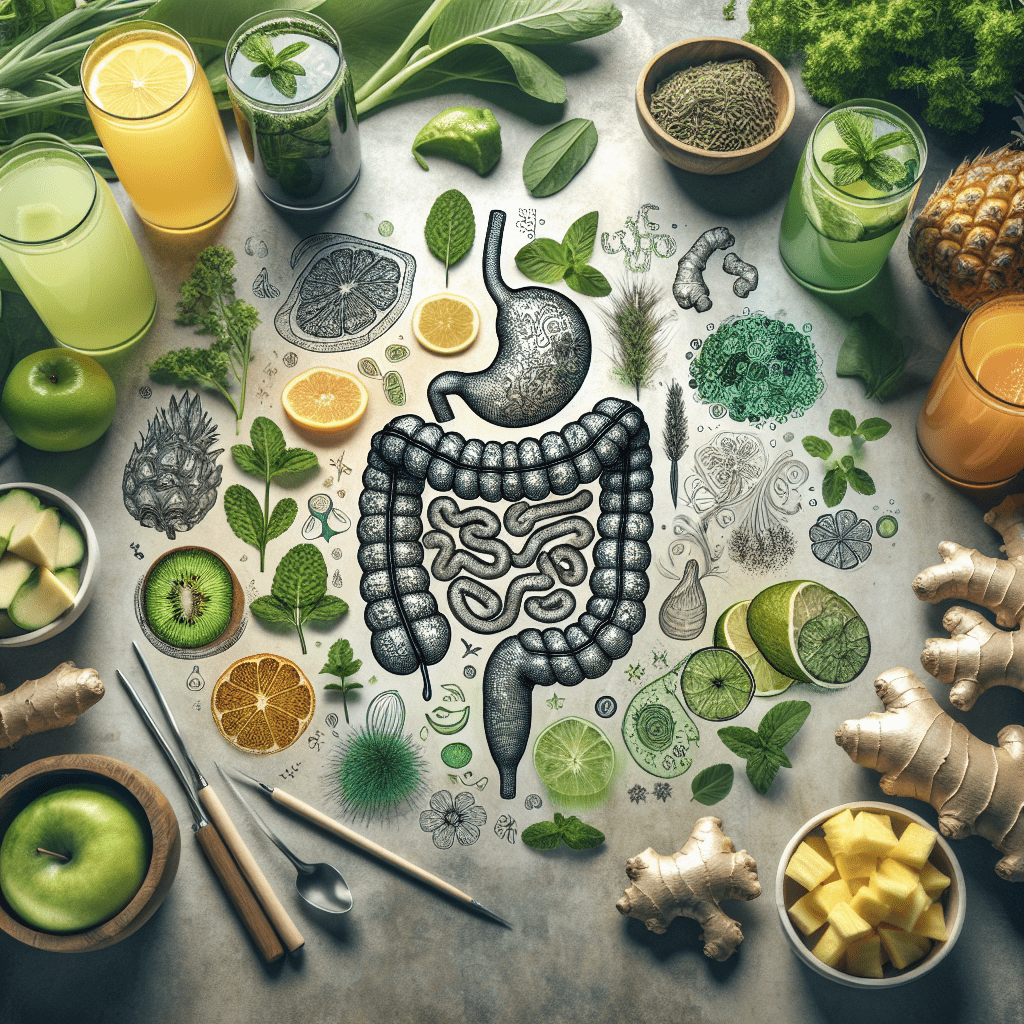
What to drink in the morning to cleanse the intestines?
Discover effective morning drinks that help cleanse your intestines naturally. Boost digestion and start your day feeling refreshed with our... Read more
Boosting your gut health is essential for overall well-being, and incorporating the best drinks for gut health can make a significant difference. These beverages enhance hydration, improve microbial balance, and introduce beneficial nutrients to support digestion. Key drinks include water with electrolytes and lemon, probiotic-rich kefir, fermented teas like kombucha, and anti-inflammatory ginger and turmeric teas. Each of these drinks offers unique benefits, from alleviating bloating to encouraging regular bowel movements.
Understanding how gut-friendly drinks impact digestion is crucial. Hydration enhances nutrient absorption, while prebiotic and probiotic drinks nourish beneficial gut bacteria. Additionally, monitoring your response to these beverages is essential. Keeping a journal allows you to track changes in symptoms and optimize your selection of drinks. If you have persistent digestive symptoms, consider a gut microbiome test to identify personalized dietary recommendations.
As you integrate these healthful drinks into your routine, remember that individual variability plays a critical role. Not every beverage will suit everyone, so it’s important to tailor your choices. For ongoing insights, a gut health membership can provide continuous support and guidance based on your evolving microbiome. Embrace these drinks as part of a holistic approach to maintain optimal gut health.
Discover effective morning drinks that help cleanse your intestines naturally. Boost digestion and start your day feeling refreshed with our... Read more
In this article, we explore the best drinks for gut health, providing you with a comprehensive guide to ten easy and tasty beverages that can significantly boost digestion and overall gut wellbeing. You will learn about the importance of hydration, how certain drinks can improve microbial balance, and when to seek personalized insights through microbiome testing. Understanding these drinks not only enhances your daily comfort but also integrates into a broader approach to gut health that encompasses diet and lifestyle factors.
Gut-friendly drinks share several key characteristics that positively influence digestion. Hydration is crucial; drinking sufficient fluids helps maintain the mucosal lining of the intestines, easing food transit. Many gut-friendly beverages, such as smoothies and teas, contain fibers or prebiotics that nourish beneficial gut bacteria. Additionally, drinks that are fermented, like kombucha or kefir, introduce live microorganisms that can enhance gut health. Anti-inflammatory compounds found in drinks like ginger or turmeric tea can further support digestive comfort.
While solid meals often provide essential nutrients and fibers, drinks can offer rapid hydration and support gut processes without adding excessive bulk. For example, a soothing tea can help alleviate symptoms like bloating or discomfort, while probiotic drinks can directly influence the gut microbiome's composition. Thus, incorporating gut-friendly beverages can complement regular meals and contribute significantly to digestive health.
Staying well-hydrated is vital for optimal digestive function, as water aids in breaking down food and absorbing nutrients. Research shows that adequate hydration can accelerate intestinal transit time, reducing the risk of constipation and promoting regular bowel movements.
Probiotic drinks like kefir or kombucha provide beneficial bacteria that enhance the gut microbiome. Prebiotic beverages that contain fibers, such as certain smoothies, feed these bacteria, promoting a balanced microbial environment. This synergy can lead to improved digestion and absorption of nutrients.
Certain ingredients commonly found in beverages—like ginger, peppermint, turmeric, and polyphenols in green tea—possess anti-inflammatory properties and can act as digestive aids. These compounds may help soothe the gastrointestinal tract, reduce irritation, and signal to the body to improve gut motility.
This combination not only hydrates but also supports mucosal lining health and aids digestion by improving nutrient absorption and transit time.
Rich in probiotics, these drinks can promote a healthier gut microbiome. Be mindful of serving sizes and added sugars, as too much sugar can counteract benefits.
Fermented drinks help enhance gut flora diversity. Opt for low-sugar versions to maximize health benefits while minimizing excessive sugar intake.
Known for its anti-nausea properties, ginger tea can enhance gut motility and reduce inflammation, making it a soothing option for many digestive issues.
Peppermint can help alleviate bloating and support comfortable digestion, making it a favorite for individuals who struggle with digestive discomfort.
This nutrient-dense option is excellent for gut health, but watch sodium content if consumed frequently. Bone broth provides amino acids and collagen that can support the intestinal lining.
Turmeric contains curcumin, a powerful anti-inflammatory compound. Complete your golden milk recipe with a dairy or plant-based base according to personal preference.
Loaded with polyphenols, these teas provide hydration and may positively influence digestive health through their antioxidant properties.
Smoothies with ingredients like oats, chia seeds, or bananas can aid fermentation processes in the gut and promote regularity. Be cautious with sugar content from fruits.
This is a simple, flavorful method to boost your fluid intake and add fiber indirectly, supporting gut health through boosted hydration and gentle fiber intake.
Begin with one or two of these drinks daily, gradually increasing your intake as your body adjusts. Monitor how different beverages affect your digestion.
Keep a journal to note any changes in symptoms, energy levels, and stool regularity. This will help you determine which drinks work best for you.
Be aware of potential intolerances, especially to dairy in probiotic drinks or caffeine in certain teas. Additionally, check for added sugars that might negate the health benefits.
The right beverages can alleviate bloating and promote digestion, enhancing post-meal comfort. By addressing hydration and microbial balance, these drinks contribute to overall gut health.
Gut health is intricately linked to immune function and mood. A balanced microbiome, supported by well-chosen beverages, can positively influence mental health through the gut-brain axis.
Every individual’s gut microbiome is unique, and so are its responses to various beverages. Adopting a flexible drinking strategy that aligns with your lifestyle and health goals is key to sustainable gut health.
Signs of digestive distress may indicate a need for gut-friendly beverages. If bloating or irregularities persist, enhancing your fluid intake with beneficial drinks can offer support.
Gut health impacts various bodily functions, including skin health and energy levels. If you notice unexpected fluctuations in mood or skin quality, consider evaluating your hydration and beverage choices.
When symptoms persist, worsen, or shift with drinks, notable red flags
If your symptoms don’t improve or worsen with specific drinks, this may indicate an underlying issue that requires professional evaluation.
It's normal for digestion to vary daily. However, if symptoms are chronic or significantly impactful, deeper investigation into dietary and lifestyle factors may be necessary.
Factors like stress and sleep can influence gut health. Be aware that a multifactorial approach is often necessary to address symptoms comprehensively.
Individual variations in gut composition mean that a drink that benefits one person may not have the same effect on another. Personal experimentation is often necessary.
Responses can be influenced by age, medications, diet, and even genetic background. Each individual may require a tailored approach to gut health based on these variables.
Recognizing the uniqueness of your gut microbiome encourages a mindset of self-exploration and adaptation rather than strict adherence to generalized recommendations.
While symptoms can guide observations, they often do not pinpoint the root cause. A holistic view that includes context is essential for better understanding and addressing gut issues.
A symptom like gas may not solely indicate an intolerance to a specific food but could also suggest an imbalance in gut bacteria. Understanding this complexity fosters improved diagnostic insight.
Considering the context in which symptoms occur— timing, diet, stress, and sleep—can aid in formulating a clearer picture of gut health and necessary interventions.
The gut microbiome consists of trillions of microorganisms that aid digestion and nutrient absorption. A diverse and balanced microbiome is linked to better health outcomes.
Gut microbes thrive on fibers and the compounds found in fermented drinks, enhancing digestion and influencing the body’s response to various beverages.
A healthy microbiome can adapt to daily beverage choices, promoting resilience against disruptions and supporting overall gut health.
Imbalances in microbial populations can lead to challenges like excessive gas or irregular bowel patterns. Identifying these patterns can be essential to improving digestive health.
Some individuals may experience underrepresented beneficial bacteria or overgrowth of harmful ones, further complicating digestion and symptom presentation.
Long-term patterns in dietary choices, including beverage selections, are crucial in shaping the gut microbiome. Making informed choices can gradually shift gut health positively.
Microbiome tests evaluate the composition and diversity of gut microbes and can estimate functional capacities, providing insight into how your unique microbiome interacts with different beverages.
Options include stool-based sequencing, metagenomic panels, and targeted markers, each offering varying levels of detail about your gut microbiome.
Results should be interpreted in conjunction with symptoms and dietary habits, offering a roadmap for personalized beverage choices aimed at enhancing gut health.
Testing can reveal your microbiome’s preferences, guiding you toward beverages that align with promoting balance and health.
Microbiome testing may help unveil underlying issues with certain foods or drinks, allowing you to make informed choices.
Tailor your drink selections to support microbial balance, enhancing digestive function and overall wellbeing based on test results.
Insights from tests can make it easier to understand how to time your beverage intake with meals or throughout the day for optimal gut health.
If you’re experiencing ongoing digestive issues despite dietary modifications, microbiome testing may provide direction for additional adjustments.
Individuals with these diagnoses can benefit from a deeper understanding of their gut health, helping to pinpoint triggers and tailor dietary choices appropriately.
Microbiome testing can serve as a valuable baseline for those embarking on a new gut-health journey, providing guidance for personalizing beverage selections.
Curiosity about how gut health intersects with overall wellness can motivate individuals to explore their microbiome further, enhancing their understanding of gut dynamics.
Consider testing if you face persistent symptoms, if self-management fails, or if you seek personalized insights regarding your gut health approach.
Identify tests with appropriate scopes available, consider turnaround times, clinician involvement, and costs to make an informed choice.
Work with a healthcare professional or dietitian to place results in context. This helps avoid over-interpretation and better integrates findings into a tangible plan.
Use the insights gathered to refine beverage choices, addressing root causes of digestive issues and contributing to an overall gut-health strategy.
Once you understand your unique microbiome, start implementing the 10 gut-friendly drinks, adjusting as needed based on your body’s responses.
Track progress over weeks or months to see how beverage changes influence symptoms and gut health, remaining flexible in your approach.
Consider periodic reassessment or re-testing to ensure that your gut-health strategy remains aligned with your evolving needs and microbiome status.
Documenting symptoms, responses to different drinks, and test results can enhance your self-awareness, refining your path to improved gut health.
Some of the best drinks for gut health include water with electrolytes, probiotic-rich beverages like kefir, ginger tea, peppermint tea, and low-sugar fermented drinks like kombucha.
Beverages can aid digestion by providing hydration, enhancing nutrient absorption, and introducing beneficial compounds and microorganisms that support gut health.
Yes, fermented drinks introduce beneficial probiotics that support the gut microbiome, potentially improving digestion and balance in gut flora.
If you experience persistent digestive symptoms, have tried dietary adjustments with little success, or wish to understand your gut health better, testing may provide valuable insights.
Microbiome tests can reveal the composition and diversity of gut microbes, providing insights into potential imbalances, intolerances, and personalized dietary recommendations.
Start by incorporating one or two new drinks per day and monitor how your body responds. Gradually adjust based on tolerability and observed benefits.
Some individuals may face intolerances, especially to dairy or caffeine in certain teas. It's also essential to be mindful of added sugars in beverages that may counteract their health benefits.
Anti-inflammatory drinks, such as those containing ginger or turmeric, can help soothe the gastrointestinal tract and relieve discomfort, promoting a healthier digestive environment.
Maintain a journal documenting your experiences with different drinks, noting any changes in symptoms, energy levels, or overall wellbeing over time.
Each person’s gut microbiome is unique, meaning reactions to the same beverage can differ significantly. A personalized approach is essential for optimal gut health.
Full microbiome sequencing + Gut Health Index. Metabolic pathways, diversity, keystone species. Personalized plans available (diet, supplements, diary, recipes). EU lab + Maastricht University spin-off + GDPR-safe.
Get the latest gut-health tips and be the first to know about new collections and exclusive offers.