Unlocking Gut Health: Insights into Methanogenesis Pathways through Microbiome Testing


    innerbuddies gut microbiome testing

    What Gut Health Tests Measure: Decoding Microbiome Testing and the Gut Microbiome

    Understanding Gut Health and Methanogenesis Pathways

    Gut health has become a focal point in modern wellness and medical research due to its profound impact on overall well-being. The human gut harbors a complex ecosystem of microbes collectively known as the microbiome. This microbial community plays a critical role in digestion, immune function, and metabolic processes. Among the various microbial metabolic activities, methanogenesis pathways represent a fascinating and crucial area of study that links gut microbiota composition to health outcomes.

    What is Gut Health?

    Gut health refers to the balance and function of the gastrointestinal tract, which includes optimal digestion, absorption of nutrients, and barrier function against pathogens. An imbalanced microbiome, or dysbiosis, can contribute to numerous health conditions such as irritable bowel syndrome (IBS), inflammatory bowel disease (IBD), obesity, and even mental health disorders.

    The Microbiome: A Complex Ecosystem

    The gut microbiome is made up of trillions of microorganisms, including bacteria, archaea, fungi, and viruses. Each group plays specialized roles, but bacteria and archaea are particularly significant when discussing methanogenesis. These microbial populations interact through biochemical pathways, influencing the production of gases, vitamins, and other metabolites essential for gut and systemic health.

    Introduction to Methanogenesis

    Methanogenesis is a biological process carried out primarily by a category of archaea known as methanogens. These microorganisms produce methane (CH4) as a metabolic byproduct under anaerobic conditions by utilizing substrates such as hydrogen, carbon dioxide, and acetate. In the human gut, methanogenesis affects not only gas production but also microbial community dynamics, gut motility, and nutrient absorption.

    Why Study Methanogenesis Pathways?

    Exploring the methanogenesis pathways provides deep insights into how gut microbes influence overall health. Methane production has been linked to conditions such as constipation-predominant IBS, alterations in energy metabolism, and even systemic inflammation. Elucidating these pathways allows for more precise clinical interventions and personalized therapeutic strategies through microbiome testing.

    Role of Microbiome Testing

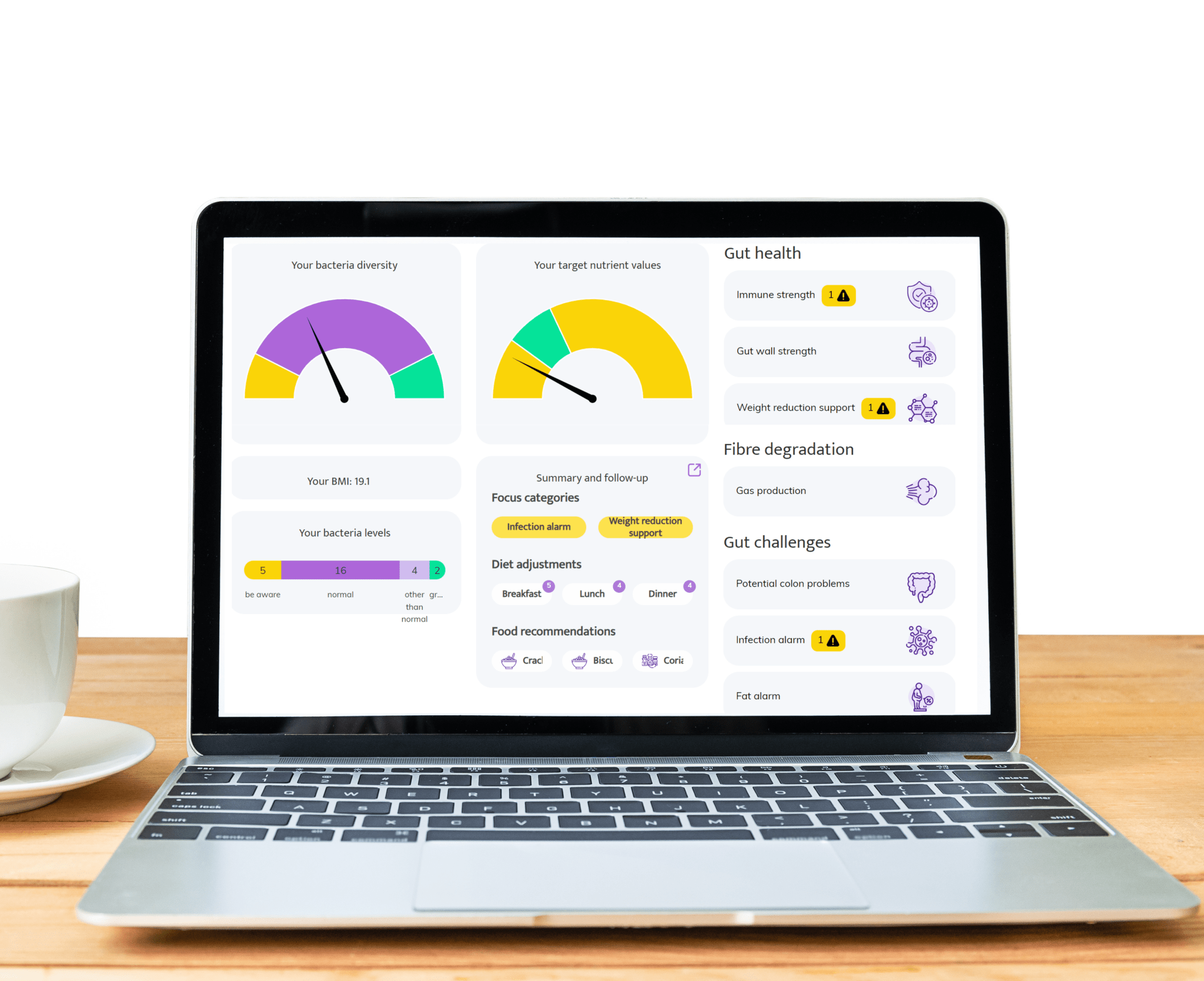
    Microbiome testing offers a window into the composition and function of the gut ecosystem. By analyzing genetic material from fecal samples, these tests identify the presence and relative abundance of methanogens and related microbial species. They also enable the assessment of biochemical pathways, such as methanogenesis, giving clinicians and researchers personalized insights to unlock gut health mysteries.

    In the sections that follow, we will delve deeper into the mechanisms of methanogenesis, the microbes involved, the clinical implications of methane production, and how advanced microbiome testing is revolutionizing our approach to gut health management.

    innerbuddies gut microbiome testing

    The Biochemical Mechanisms of Methanogenesis in the Gut

    The process of methanogenesis is a unique anaerobic pathway used by methanogenic archaea to generate methane. Understanding the biochemical underpinnings of this process uncovers how the gut microbiome functions at a fundamental level and affects host health.

    Classification of Methanogenesis Pathways

    Methanogenesis primarily proceeds through three main pathways in the gut:

    Hydrogenotrophic Methanogenesis in the Human Gut

    In the gut ecosystem, the hydrogenotrophic pathway is the dominant methanogenic route. Methanogens consume hydrogen produced by other fermentative gut microbes, maintaining low hydrogen concentrations which favors efficient microbial fermentation. The overall reaction can be summarized as:

    This reaction is critical because accumulation of hydrogen can inhibit other microbial metabolic activities, disrupting the balance of the gut environment.

    Acetoclastic Methanogenesis and its Relevance

    Although less prevalent in the human gut compared to environmental systems like sediments, the acetoclastic pathway contributes to methane generation by splitting acetate:

    Acetate is a common fermentation product in the gut, and the interaction between acetogens and methanogens affects the overall short-chain fatty acid (SCFA) balance, influencing colon health and energy harvest.

    Methylotrophic Methanogenesis in the Gut

    Methanogens can also utilize methylated compounds such as methanol, methylamines, and methyl sulfides through the methylotrophic pathway. These substrates originate from dietary sources and microbial metabolism, making this pathway a link between diet, microbiome, and methane production.

    Enzymatic Machinery of Methanogenesis

    The methanogenesis process involves a series of specialized enzymes including methyl-coenzyme M reductase (MCR), which catalyzes the final step in methane formation. Gene clusters encoding these enzymes are targets in microbiome testing to determine the methanogenic potential and activity of gut microbiota.

    Overall, methanogenesis in the gut is a complex but well-orchestrated biochemical process integral to microbial ecology and host physiology. Next, we will explore the key methanogenic microbes responsible for these pathways.

    innerbuddies gut microbiome testing

    What Gut Health Tests Measure: Decoding Microbiome Testing and the Gut Microbiome

    Methanogenic Microbes: Key Players in Gut Health

    Methanogens are a distinct group of archaea that specialize in producing methane through methanogenesis. Their presence in the gut microbiome is crucial not only for methane production but also for maintaining microbial balance and physiological homeostasis.

    Taxonomy and Characteristics of Gut Methanogens

    The primary methanogens in the human gut belong to the order Methanobacteriales, especially the genus Methanobrevibacter. Other genera such as Methanosphaera and Methanomassiliicoccus also contribute to methanogenesis. These archaea thrive in anaerobic environments, have slow growth rates, and possess unique biochemical pathways adapted to the gut's microenvironment.

    Methanobrevibacter smithii: The Dominant Gut Methanogen

    Methanobrevibacter smithii is the most abundant methanogen in the human gastrointestinal tract. It specializes in hydrogenotrophic methanogenesis, utilizing H2 and CO2 to generate methane. Its role is pivotal in maintaining hydrogen balance, optimizing fermentation carried out by other bacteria, and potentially influencing host metabolism.

    Interaction with Other Gut Microbes

    Methanogens engage in syntrophic relationships with fermentative bacteria. By consuming hydrogen, they prevent hydrogen accumulation, which can inhibit fermentative microbes. This cross-feeding enhances the production of short-chain fatty acids (SCFAs) like acetate, propionate, and butyrate, essential for colonic health and systemic energy balance.

    Impact of Methanogens on Gut Physiology

    Methane produced by methanogens affects gut motility and intestinal transit time. Elevated methane levels have been associated with slower transit, contributing to constipation and altered bowel habits. Methanogens also influence immune regulation and the gut barrier function through metabolic signaling.

    Methanogens and Disease Associations

    While methanogens are part of a healthy microbiome, overgrowth or imbalances have been linked to conditions such as:

    Understanding these microbial players is essential for targeted interventions. Microbiome testing helps identify methanogen abundance and activity, guiding precise treatments.

    innerbuddies gut microbiome testing

    Clinical Implications of Methanogenesis and Gut Health

    The role of methanogenesis in health and disease underscores its clinical significance. Assessing methane production and methanogen activity provides valuable diagnostic and therapeutic insights.

    Methane and Gastrointestinal Disorders

    Elevated methane levels detected in breath tests are a hallmark of certain gastrointestinal disorders, particularly IBS-C and chronic constipation. Methane slows intestinal transit by influencing smooth muscle contractility, leading to symptom persistence.

    Diagnostic Methods for Methane Detection

    Breath testing is the most common non-invasive clinical method for detecting methane. Patients consume substrates like lactulose or glucose, and breath samples are analyzed for hydrogen and methane content. However, breath tests provide limited information about the microbial composition responsible for methane production.

    Microbiome Testing for Methanogenesis Insights

    Advanced microbiome testing enables direct analysis of gut microbial communities through techniques such as 16S rRNA gene sequencing and metagenomics. These tests identify specific methanogenic archaea, quantify their abundance, and assess the presence of methanogenesis-specific genes. This detailed data improves diagnostics beyond breath tests and supports personalized treatment plans.

    Therapeutic Approaches Targeting Methanogens

    Modulating methanogen populations or their activity offers new avenues for treating methane-related gut disorders. Some therapeutic strategies include:

    Beyond the Gut: Systemic Effects of Methane

    Methane and methanogens may have systemic effects beyond the gastrointestinal tract. Studies suggest links to metabolic diseases, inflammation, and possibly neurological conditions through gut-brain axis mechanisms. Unlocking these connections relies on accurate microbial profiling and pathway analysis provided by microbiome testing.

    In the next section, we will explore how emerging microbiome testing technologies are transforming our ability to unlock gut health through detailed understanding of methanogenesis pathways.

    innerbuddies gut microbiome testing

    Emerging Microbiome Testing Technologies for Unlocking Gut Health

    The advancement of microbiome testing technologies has revolutionized the study and management of gut health, particularly regarding complex processes like methanogenesis. These innovations provide unprecedented resolution in detecting and quantifying methanogenic microbes and their metabolic pathways.

    High-Throughput Sequencing Techniques

    Next-generation sequencing (NGS) platforms are the cornerstone of modern microbiome analysis. Techniques such as 16S rRNA gene sequencing allow broad identification of microbial taxa, while shotgun metagenomics sequences all DNA present, uncovering genes involved in methanogenesis:

    Metatranscriptomics and Metaproteomics

    Beyond DNA sequencing, metatranscriptomics measures active gene expression in gut microbes, revealing which methanogenesis pathways are operational. Metaproteomics analyzes the protein profile, giving direct evidence of enzyme presence and activity.

    Bioinformatics and Functional Pathway Analysis

    Advanced bioinformatics tools interpret massive datasets to reconstruct metabolic pathways. Databases like KEGG and MetaCyc map detected genes to the methanogenesis pathways, enabling personalized functional insights into a patient’s gut microbiome.

    Personalized Medicine and Gut Health Optimization

    Integrating microbiome testing data with clinical symptoms allows clinicians to develop tailored therapies. For example, reducing specific methanogen populations or altering dietary substrates can alleviate methane-associated symptoms. Continuous microbial monitoring can track treatment efficacy and prevent disease recurrence.

    Future Directions

    Emerging technologies such as single-cell genomics, long-read sequencing, and synthetic biology hold promise for deeper understanding and manipulation of gut methanogenesis. Further, integrating microbiome data with metabolomics and immunological profiling will unlock holistic views of gut health.

    In conclusion, unlocking gut health through insights into methanogenesis pathways hinges on comprehensive microbiome testing. Leveraging these advances can lead to improved diagnostics, targeted therapies, and enhanced quality of life.

    Unlocking the mysteries of methanogenesis is truly a frontier in microbiome science and gut health that holds transformative potential for personalized medicine.

    Read more: Exploring Methanogenesis Pathways and Gut Microbiome Insights for Optimal Health

    Areas where InnerBuddies gut microbiome testing can make a significant impact

    • Digestive Health

      Gut discomfort like bloating, constipation, gas, or diarrhea often stems from an imbalance in gut bacteria. InnerBuddies analyzes the composition and diversity of your gut microbiome, identifying specific imbalances such as low fiber-fermenting bacteria or an overgrowth of gas-producing microbes.

      By pinpointing the root causes of digestive issues, InnerBuddies provides personalized, evidence-based recommendations to support digestion. Whether through targeted diet changes, prebiotics, or probiotics, users can take actionable steps to restore harmony and improve GI comfort.

    • Immune Function

      Over 80% of the immune system resides in the gut, and a diverse microbiome plays a key role in training immune cells to respond appropriately. InnerBuddies helps users assess their microbiome’s ability to support immune balance and resilience.

      Low microbial diversity or the presence of inflammatory bacteria may indicate a weakened defense system. InnerBuddies delivers tailored suggestions—like anti-inflammatory foods or immune-supportive nutrients—to help build a stronger, more balanced immune response.

    • Mental Health & Mood (Gut-Brain Axis)

      Emerging research shows that your microbiome influences neurotransmitters like serotonin, dopamine, and GABA, directly affecting mood and stress levels. InnerBuddies evaluates gut-brain axis markers to explore how your microbes may be impacting your mental well-being.

      With insight into bacterial strains associated with anxiety, depression, or stress resilience, InnerBuddies can guide personalized strategies to help improve emotional balance—ranging from fiber-rich diets to psychobiotic supplements.

    • Weight Management & Metabolism

      Certain gut bacteria can extract more energy from food and influence fat storage, insulin sensitivity, and appetite hormones. InnerBuddies assesses metabolic markers in your microbiome profile to help reveal how your gut may be impacting your weight.

      With tailored advice on foods that support healthy metabolism—such as resistant starches or polyphenol-rich plants—InnerBuddies empowers users to make microbially informed decisions that complement their health goals and weight management strategies.

    • Skin Health

      Skin conditions like acne, eczema, and rosacea are increasingly linked to gut imbalances and systemic inflammation. InnerBuddies analyzes your microbiome to detect patterns that may contribute to inflammatory skin responses.

      By supporting gut barrier integrity and reducing pro-inflammatory microbes, the recommendations from InnerBuddies can help improve skin from the inside out—encouraging a clearer complexion and fewer flare-ups through gut-skin axis awareness.

    • Personalized Nutrition

      Not all foods are beneficial for every gut. InnerBuddies delivers customized nutrition insights based on your unique microbial profile—identifying foods that nourish beneficial bacteria and flagging those that may trigger dysbiosis.

      This personalized approach helps users move beyond one-size-fits-all diets and embrace gut-friendly nutrition strategies. Whether you’re optimizing for energy, digestion, or longevity, InnerBuddies transforms your microbiome data into actionable meal plans.

    Hear from our satisfied customers!

    • "I would like to let you know how excited I am. We had been on the diet for about two months (my husband eats with us). We felt better with it, but how much better was really only noticed during the Christmas vacations when we had received a large Christmas package and didn't stick to the diet for a while. Well that did give motivation again, because what a difference in gastrointestinal symptoms but also energy in both of us!"

      - Manon, age 29 -

    • "Super help!!! I was already well on my way, but now I know for sure what I should and should not eat, drink. I have been struggling with stomach and intestines for so long, hope I can get rid of it now."

      - Petra, age 68 -

    • "I have read your comprehensive report and advice. Many thanks for that and very informative. Presented in this way, I can certainly move forward with it. Therefore no new questions for now. I will gladly take your suggestions to heart. And good luck with your important work."

      - Dirk, age 73 -