Microbiome Score Meaning and Gut Diversity Score Explained

SelfDecode Gut Microbiome Testing: What Tests Measure and How to Compare
Microbiome Score Meaning and Gut Diversity Score: The Basics
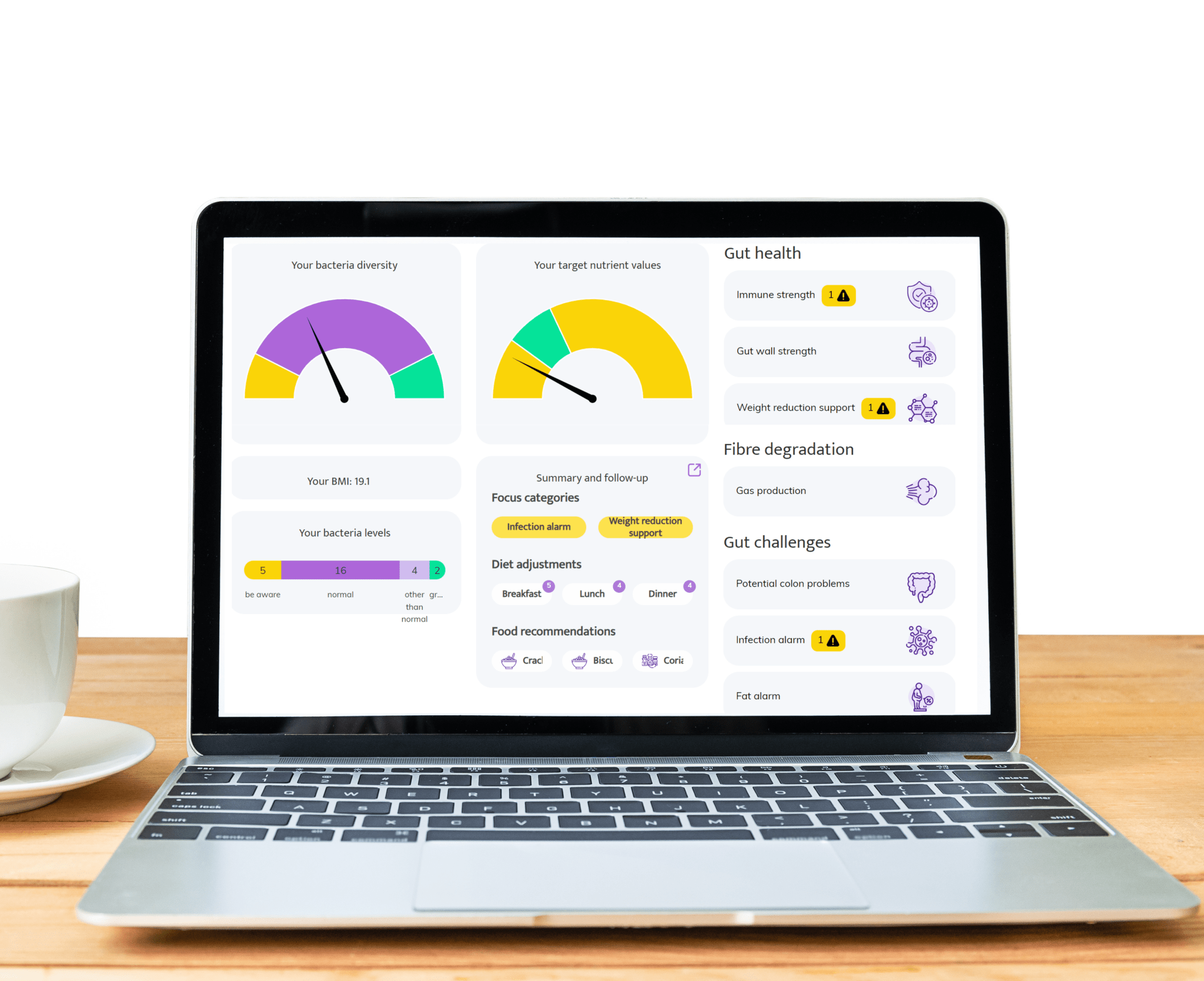
A microbiome score is a summary number that aims to describe aspects of your gut microbial community, usually from a stool sample. The term microbiome score meaning is not the same for every provider: it may combine diversity, bacterial abundance, functional markers or comparison with reference groups. On this page, the main focus is the gut diversity score, a measure of how many different types of bacteria are present in your gut and how evenly they are distributed. It is one part of gut microbiome testing, not a diagnosis.
What Is a Microbiome Summary Score?
A microbiome summary score is best understood as a report-specific summary rather than a standard medical value. Two companies can calculate their scores differently, use different reference groups and display different scales. Some use a 0 to 100 scale, while others use descriptive categories such as low, moderate or high. For that reason, always read the explanation that comes with your own test.
The Gut Microbiome in Simple Terms
The gut microbiome is the collection of bacteria, fungi, viruses and other microorganisms living in the digestive tract, along with their genes and activities. These organisms help break down some fibers, produce substances such as short-chain fatty acids, interact with the immune system and can influence digestion and general health.
Gut Diversity Score in Simple Terms
The gut diversity score usually reflects alpha diversity, which describes the variety of organisms within one sample. It combines two ideas:
- Richness: how many different microbial species or groups are detected.
- Evenness: how evenly those groups are represented, rather than one or two types dominating.
A high score generally means a broader and more balanced community. A low score generally means a narrower or less balanced community, but it does not by itself confirm disease.
What Gut Health Tests Measure
Gut microbiome tests can report several types of information:
- Microbial diversity and richness
- Relative abundance of beneficial or potentially harmful bacteria
- Presence of specific pathogens or markers
- Functional potential, such as genes involved in short-chain fatty acid production
- Metabolites or inflammation-related markers in some tests
- Comparisons with reference groups used by the provider
How Microbiome Scores Are Calculated
Most microbiome scores follow a similar general workflow:
- A stool sample is collected at home or in a clinic.
- DNA is extracted from the sample.
- Sequencing is performed, often using 16S rRNA gene sequencing or shotgun metagenomics.
- Bioinformatics tools identify and classify microbial groups.
- Diversity indices, such as Shannon or Simpson, are calculated.
- Results are compared with reference ranges or population data used by that provider.
Because methods, reference groups and scoring formulas differ, two tests can produce different microbiome scores from the same sample. This is one reason results should be interpreted in context rather than as a standalone diagnosis.

What Affects Your Microbiome Score and Gut Diversity?
Many factors shape the gut microbiome over time. Some are within your control, while others are not. The most common influences include diet, medications, age, environment, stress, sleep and genetics.
Diet and Nutrition
Diet is one of the strongest influences on gut diversity. Fiber-rich foods such as fruits, vegetables, legumes, whole grains, nuts and seeds feed different microbial groups. Fermented foods like yogurt, kefir, sauerkraut, kimchi and kombucha can also support a more varied gut environment. Diets high in ultra-processed foods, added sugar and unhealthy fats may reduce diversity and encourage less desirable microbial patterns.
Antibiotics and Medications
Antibiotics can be essential for treating infections, but they may also temporarily reduce gut diversity by affecting both harmful and beneficial bacteria. Some other medications, including certain acid-reducing drugs, may also influence the microbiome. Antibiotics should be used only when medically needed.
Age and Development
The gut microbiome changes across life. It is simpler in infancy, becomes more complex through childhood and often stabilizes in adulthood. In older age, diversity may decline in some people, which has been associated with frailty and other health concerns.
Environment and Lifestyle
Where you live, how much time you spend outdoors, contact with animals, pollution, smoking and sleep quality can all influence the gut microbiome. Urban environments with less natural exposure may be associated with lower microbial variety. Regular movement and time in nature are often linked with more diverse microbial exposure.
Stress and the Gut-Brain Axis
Psychological stress can affect gut microbiota through the gut-brain axis. Chronic stress, poor sleep, sedentary behavior and smoking may work against a diverse microbiome.
Genetics and Host Factors
Genetics, immune function and gut physiology can influence which microbes are able to colonize and thrive. Lifestyle factors often modify these inherited tendencies.
What May Reduce Beneficial Gut Bacteria?
Factors that may reduce beneficial gut bacteria include:
- Antibiotics, especially repeated or unnecessary use
- A low-fiber, high-sugar diet
- Heavy alcohol use
- Smoking
- Chronic stress and poor sleep
- Some medications and medical treatments
This does not mean you can or should try to sterilize your gut. The goal is to support a resilient, diverse community rather than eliminate all bacteria.

SelfDecode Gut Microbiome Testing: What Tests Measure and How to Compare
How to Interpret Your Microbiome Score
Once you receive a gut microbiome test result, the microbiome score and gut diversity score can help you understand patterns. They should not be read as a diagnosis or as a complete picture of your health. Start by checking which scale and reference range your provider uses, then compare your result with your own previous results, symptoms and lifestyle.
What Is a Normal or Healthy Microbiome?
There is no single normal microbiome. Healthy people can have very different microbial communities. Instead of one universal standard, testing companies usually compare your results with reference groups or ranges from their own database. A result outside a reference range may be worth discussing, but it does not automatically mean something is wrong. The question of what your gut health score means is therefore best answered by your test provider's reference data, not by a universal cut-off.
Low, Moderate and High Gut Diversity Scores
Score ranges vary by provider. The following interpretation is general and should be checked against your own report.
A high diversity score generally suggests a broad, well-distributed microbial community. It has been associated with:
- Greater ecosystem stability
- More varied metabolic functions
- Better resilience to disturbances
- Diets rich in plant-based fiber and active lifestyles
A high score does not guarantee perfect health, and it does not rule out digestive symptoms.
A moderate score may mean your microbial community is within a typical range but could still benefit from more fiber variety, fermented foods, sleep and stress support. Use the trend over time rather than one result.
A low diversity score suggests a narrower or less balanced microbial community. It has been associated with conditions such as inflammatory bowel disease, obesity, allergies and some mental health conditions, but association does not prove causation. Low diversity may also follow antibiotics, illness, poor diet or chronic stress. If your score is low, focus on sustainable diet and lifestyle changes and discuss persistent symptoms with a healthcare professional.
Understanding Diversity Metrics
Microbiome reports may use several metrics:
- Richness: the number of different microbial groups detected.
- Evenness: how evenly those groups are distributed.
- Shannon index: combines richness and evenness.
- Simpson index: emphasizes the dominance of common species.
- Beta diversity: compares your community with other people or samples.
Some platforms also use a universal gut health score or composite microbiome score that combines diversity with other markers. These composite scores can be useful for tracking, but they are not standardized across providers.
What Does a Good or Bad Microbiome Score Mean?
A good or bad microbiome score is not absolute. A score is most useful when compared with your own previous results, your symptoms, your diet and your overall health. For example, a lower score may motivate changes in fiber intake or antibiotic use, while a high score may still coexist with bloating or irregular bowel habits.
Signs That May Prompt a Closer Look at Gut Health
There is no single symptom list that proves an unhealthy microbiome. People sometimes associate the following with poor gut health:
- Bloating, gas or abdominal discomfort
- Constipation, diarrhea or irregular bowel habits
- Food intolerances or sensitivities
- Fatigue or low energy
- Skin irritation or flare-ups
- Frequent infections or slow recovery
- Mood or sleep changes
These symptoms can have many causes. Persistent or severe symptoms should be discussed with a healthcare professional.
Limitations of Microbiome Scores
Microbiome scores are not diagnostic on their own. Results can vary between laboratories, sample collection methods, sequencing platforms and scoring formulas. A score should be interpreted alongside clinical evaluation and other gut health indicators, not instead of them.
How to Improve Your Gut Diversity Score and Microbiome
Improving gut diversity is usually about long-term habits rather than a single supplement or quick fix. The following strategies may support a more varied microbiome. They do not replace medical care, and people with health conditions should seek personalized advice.
Eat a Diverse, Plant-Rich Diet
Different fibers feed different microbes. Aim for a wide range of plant foods across the week, including:
- Vegetables such as leafy greens, broccoli, carrots and onions
- Fruits such as berries, apples and bananas
- Legumes such as lentils, chickpeas and beans
- Whole grains such as oats, barley and brown rice
- Nuts and seeds
You do not need a perfect diet. Small increases in variety can be a practical starting point.
Include Fermented Foods
Fermented foods can introduce live microorganisms and support gut barrier function. Examples include yogurt with live cultures, kefir, sauerkraut, kimchi, tempeh and kombucha. Not all fermented foods contain live cultures, so labels can help.
Microbiome-Friendly Foods to Prioritize
There is no definitive top 10 list that works for everyone, but microbiome-friendly choices often include:
- Oats, barley and other whole grains
- Beans, lentils and chickpeas
- Onions, garlic, leeks and asparagus
- Bananas, berries and apples
- Nuts and seeds
- Yogurt, kefir and other fermented dairy or plant alternatives
- Sauerkraut, kimchi and other fermented vegetables
- Tempeh and miso
- Leafy greens and cruciferous vegetables
- Extra virgin olive oil and other minimally processed plant fats
Limit Processed and High-Sugar Foods
Ultra-processed foods, added sugars, alcohol and unhealthy fats may reduce microbial diversity when they dominate the diet. Reducing them, rather than aiming for perfection, may help support a more balanced gut community.
Use Antibiotics Responsibly
Use antibiotics only when prescribed and needed. If you are prescribed antibiotics, ask your healthcare professional whether probiotics, prebiotics or dietary support may be appropriate during recovery. Do not stop or start antibiotics without medical advice.
Manage Stress and Prioritize Sleep
Chronic stress and poor sleep can affect the gut-brain axis and microbial balance. Mindfulness, breathing exercises, regular routines and consistent sleep schedules may help support gut health indirectly.
Stay Physically Active
Regular movement has been linked with greater microbial diversity and better metabolic health. Walking, cycling, swimming, yoga and other activities you enjoy can all contribute.
Spend Time Outdoors
Exposure to natural environments may support microbial exposure. Gardening, hiking, walking in parks and spending time with animals can be part of a microbiome-friendly lifestyle, as long as safety and hygiene are respected.
Consider Prebiotics and Probiotics
Prebiotics are fibers that nourish beneficial bacteria. Probiotics are live microorganisms that may support microbial balance. Supplements can affect people differently, and they are not a substitute for a varied diet. If you have a health condition or are pregnant, seek professional guidance before using them.
Monitor Changes Over Time
Repeat testing can help you track whether diet and lifestyle changes are associated with shifts in your gut diversity score. Because scores are not standardized across all providers, it is usually best to compare results from the same testing method over time.

Are Microbiome Tests Worth It? Reliability, Costs and What Results Tell You
At-home microbiome tests can provide interesting insights, but they are not all equally reliable or clinically validated. Understanding their strengths and limits helps you use results wisely.
How Accurate Are At-Home Microbiome Tests?
Microbiome test accuracy depends on sample collection, storage, sequencing method, bioinformatics and the reference data used. Independent standards efforts, including work by organizations such as NIST, have highlighted the need for better standardization and reference materials. In practice, this means results can vary between providers and should be interpreted as a snapshot rather than a definitive medical result.
How to Compare Microbiome Test Providers
When comparing tests, including options such as InnerBuddies, ZOE and other providers, look beyond the headline score:
- What sequencing method is used?
- Does the report explain richness, evenness and other diversity metrics?
- Are reference ranges provided and clearly described?
- Does the test report beneficial bacteria, pathogens or functional markers?
- Is there access to qualified support or educational guidance?
- How is privacy handled?
- Is the score comparable over time with the same provider?
Different companies may calculate a microbiome score differently, so a score from one test cannot always be compared directly with another.
Is It Worth Getting a Microbiome Test?
A microbiome test may be worth considering if you are curious about your gut community, want to track changes over time or are participating in research. It is less useful as a stand-alone diagnostic tool for unexplained symptoms. If you have persistent digestive problems, blood in stool, unintended weight loss or other concerning symptoms, speak with a healthcare professional first.
Will Insurance Pay for a Gut Microbiome Test?
Insurance coverage varies by country and provider. Many direct-to-consumer wellness microbiome tests are not covered because they are not considered medically necessary diagnostics. In some clinical settings, a clinician may order microbiome-related testing for specific conditions, and coverage may depend on medical necessity. Check with your insurer and testing provider before purchasing.
How Much Does a Biome Test Cost?
Costs vary widely depending on the depth of analysis, report features, follow-up support and region. Direct-to-consumer tests are usually paid out of pocket. A lower price may mean fewer markers or less interpretation, while a higher price may include more detailed reports or professional guidance.
What Does a Gut Biome Test Tell You?
A gut biome test can report:
- Overall diversity and balance
- Relative abundance of certain bacterial groups
- Presence of some pathogens or opportunistic organisms
- Functional potential or metabolic pathways
- Comparisons with reference groups
It cannot tell you everything about your health, and it does not replace medical evaluation.
Frequently Asked Questions About Microbiome Scores
Are gut biome tests legitimate?
Some are based on real sequencing technology and can provide useful educational insights. However, the clinical meaning of many consumer scores is still evolving, and not all tests are validated for diagnosis or treatment decisions.
What is gut flora?
Gut flora is an older term for the microorganisms living in the digestive tract, especially bacteria. It is now more often called the gut microbiome or gut microbiota.
How do I know if my microbiome is good?
There is no single good microbiome. A result is most meaningful when considered with your symptoms, diet, lifestyle and trends over time. A diverse community is often viewed as a positive sign, but it does not guarantee health.
How do I fix the microbiome in my gut?
There is no quick fix. A varied plant-rich diet, fermented foods, limited processed food, responsible antibiotic use, good sleep, stress management and regular activity may support a healthier gut environment over time. If you have persistent digestive symptoms, seek medical advice.
Do microbiome tests diagnose disease?
No. Consumer microbiome tests are generally wellness or educational tools, not diagnostic tests. They may highlight patterns worth discussing with a healthcare professional, but they do not replace clinical evaluation.
Practical Takeaways
Microbiome testing is advancing quickly. Future tests may combine diversity scores with functional, metabolic and host data to provide more personalized insights. Standardization is also improving, which may make scores more comparable across providers over time.
For now, treat your microbiome score meaning as one useful signal among many. Focus on sustainable habits that support microbial diversity, interpret results with caution, and seek professional advice for persistent symptoms or medical concerns. A diverse gut microbiome is not a guarantee of perfect health, but it is a reasonable area to support through everyday choices.
Find more details about What Gut Health Tests Measure
You can find more information on the related topics below.
Read more: What your microbiome score and gut diversity results mean
Your Gut Has a Story. Read It — Then Fix Potential Problems
Full microbiome sequencing + Gut Health Index. Metabolic pathways, diversity, keystone species. Personalized plans available (diet, supplements, diary, recipes). EU lab + Maastricht University spin-off + GDPR-safe.