ZOE vs DayTwo vs InnerBuddies: A Detailed Comparison

Gut Microbiome Test Comparison: Best & Most Comprehensive Options
How ZOE, DayTwo, and InnerBuddies Compare
Gut microbiome testing is a fast-growing category of personalized health products. This comparison looks at three providers — ZOE, DayTwo, and InnerBuddies — and explains what each test measures, how recommendations are created, what the pricing approach tends to involve, and who may find each option useful.
What Gut Microbiome Testing Can and Cannot Tell You
Most gut microbiome tests analyse a stool sample to describe the bacteria, archaea, fungi, and other microorganisms present. Results can include microbial diversity, relative abundance of certain groups, and functional potential when shotgun metagenomic sequencing is used.
A microbiome test is not the same as a medical diagnostic test. It can offer insight into patterns that may be associated with digestion, metabolism, and wellbeing, but it cannot diagnose a disease or replace advice from a qualified healthcare professional.
Why Personalization Matters
Each person's microbiome is shaped by genetics, diet, environment, medications, stress, and lifestyle. General gut health advice may therefore be less useful than recommendations based on an individual's own microbial profile and metabolic responses. ZOE, DayTwo, and InnerBuddies each use different data sets and algorithms to create their recommendations.
Quick Comparison
- ZOE focuses on broad personalized nutrition, combining stool microbiome data with blood markers and dietary logging.
- DayTwo focuses on metabolic health and blood sugar responses, using microbiome data and machine learning to predict individual glycemic responses to foods.
- InnerBuddies focuses on the gut-brain axis, combining microbiome testing with wellbeing and mental health indicators.
The right choice depends less on finding a universal winner and more on which type of insight is most relevant to your goals.

ZOE Gut Health Test: What It Offers
ZOE is a personalized nutrition company that combines gut microbiome testing with blood sugar and blood fat responses. Its programme is designed to help users understand how their biology may respond to different foods.
What the ZOE Test Tells You
ZOE typically uses metagenomic sequencing of a stool sample, blood testing, and dietary logging. Reports may cover microbiome diversity, postprandial glucose and lipid responses, and food-based personalized nutrition guidance. The aim is to translate complex data into everyday food choices.
Is the ZOE Gut Health Test Worth It?
For someone who wants a broad picture of diet, metabolism, and gut bacteria, ZOE may be worth considering. Its value depends on whether you will use the app, follow the food recommendations, and are comfortable providing blood samples as well as a stool sample. It is a premium-priced option in the consumer microbiome testing market.
Pricing and Subscription Approach
ZOE generally sells a test kit with an optional membership or subscription for ongoing support. Exact pricing varies by country, package, and promotional period, so it is best to check the current price directly with ZOE.
Strengths and Limitations
- Strengths include a holistic data set, a user-friendly app, and recommendations that connect food choices with metabolic responses.
- Limitations include higher cost, the need for blood testing, and the fact that consumer microbiome reports are not intended to diagnose or treat medical conditions.

Gut Microbiome Test Comparison: Best & Most Comprehensive Options
DayTwo: Detailed Evaluation
DayTwo is a biotechnology company focused on microbiome-based metabolic health. Its core technology uses gut microbiome sequencing together with machine learning to predict individual postprandial glycemic responses, or how a person's blood sugar may respond to specific foods.
How DayTwo Works
DayTwo analyses a stool sample to profile bacterial species and functions linked to glucose metabolism. Those data are combined with algorithms that estimate glycemic responses. Users then receive food recommendations intended to support steadier blood sugar levels.
This makes DayTwo different from a general wellness microbiome test. It is not simply a probiotic recommendation service; it is a personalized nutrition programme built around metabolic health.
Who DayTwo May Suit
DayTwo may be most relevant for people who are concerned about blood sugar control, insulin resistance, or prediabetes and want food-level guidance. It may also interest users who prefer a narrower, metabolic focus over a broad wellness report.
DayTwo is not a replacement for medical care, medication, or a diabetes management plan. Anyone with a diagnosed condition should discuss dietary changes with their clinician.
Pricing and Value
DayTwo typically provides testing kits with structured programmes, often accessible through a subscription or package. Pricing reflects the sequencing, algorithm, and ongoing digital guidance. Because plans and availability vary, compare the current offer directly before deciding.
Pros and Cons
- Pros: specific focus on glycemic response, research-informed concept, actionable food recommendations, and a clear metabolic health purpose.
- Cons: narrower than broad nutrition or gut-brain tests, less suitable if your main concern is digestive symptoms or mental wellbeing, and it requires sustained engagement to get value.
DayTwo vs. Custom Vitamin Blood Tests
DayTwo is not designed to measure vitamin or mineral levels. If your goal is to assess nutrient status, a blood test from services such as InsideTracker or Everlywell may be more appropriate. DayTwo focuses on how your body responds to food, while vitamin blood tests focus on what is in your blood. Some people use both types of testing for different insights, but they answer different questions.
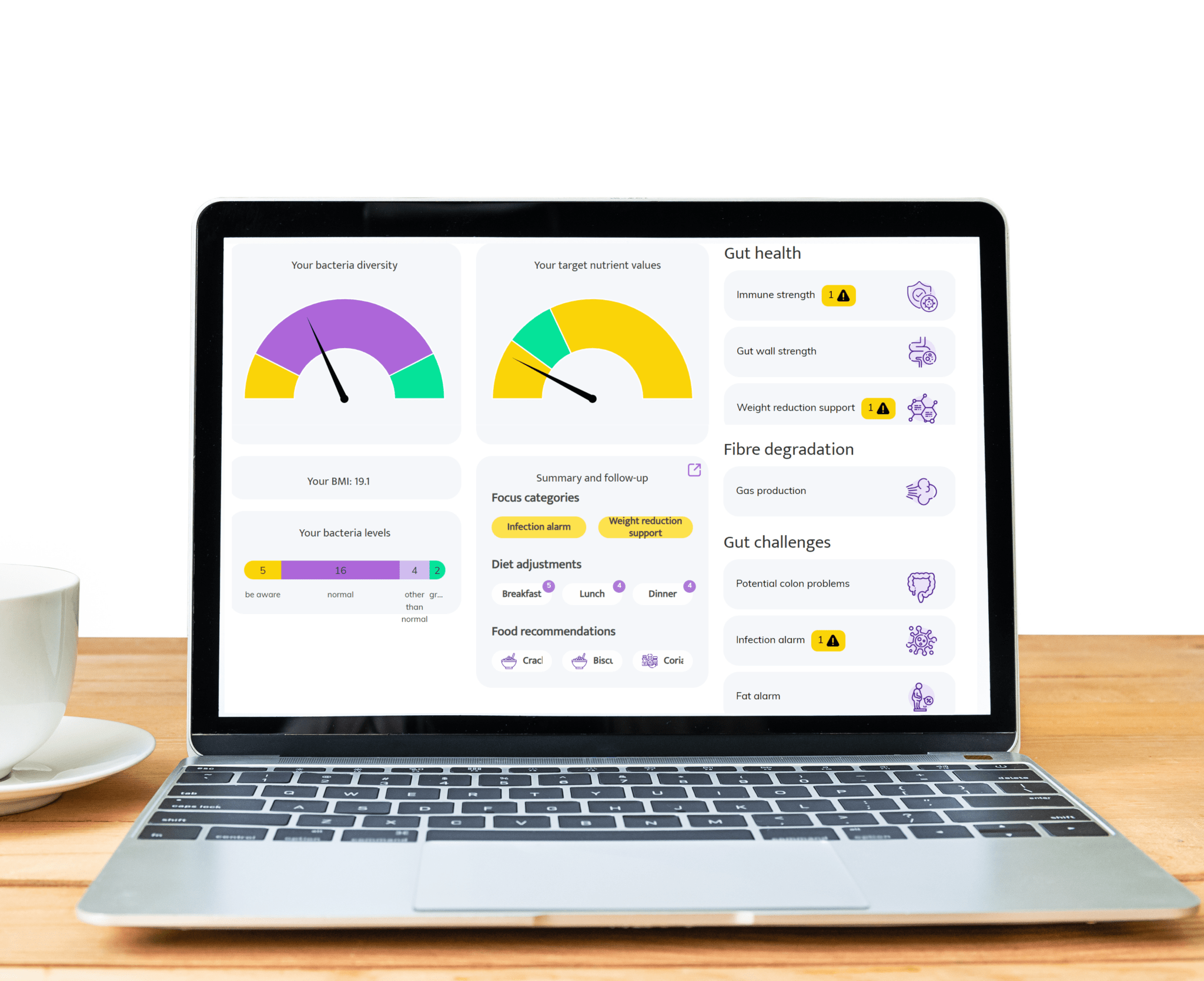
InnerBuddies Gut Microbiome Testing
InnerBuddies takes a gut-brain axis approach. Its testing combines detailed microbiome analysis with wellbeing and mental health indicators, aiming to connect digestive health with emotional balance.
Testing Process and Scientific Basis
InnerBuddies uses shotgun metagenomic sequencing to identify microbial species and functional genes. Reports may also include markers related to inflammation, neurotransmitter production, and nutrient metabolism. This provides a detailed view of the gut ecosystem rather than only a broad bacterial ratio.
Holistic Reports and Recommendations
The company integrates microbiome data with mental wellbeing information and offers personalized suggestions covering diet, probiotics, lifestyle, and stress management. These recommendations are designed to support microbial balance and emotional resilience, but they should not be understood as treatment for a medical or psychological condition.
App Features and User Engagement
The InnerBuddies app provides tracking tools, mood journals, and educational content. This can help users connect physical and emotional health habits and stay engaged with their plan over time.
Pricing and Support
InnerBuddies offers a standalone test and subscription options that may include coaching and community access. As with the other providers, pricing and package details can change, so check the current offer.
Strengths and Limitations
- Strengths include a distinctive gut-brain perspective, detailed sequencing, and support for both diet and stress-related habits.
- Limitations include the need for careful interpretation of holistic claims and the fact that consumer testing is not a diagnostic tool.

Direct Comparison: ZOE vs DayTwo vs InnerBuddies
The three services overlap in using microbiome data, but they differ in purpose and depth.
- Primary focus: ZOE is broad personalized nutrition and metabolic health; DayTwo is glycemic control and metabolic response; InnerBuddies is gut-brain balance and wellbeing.
- Data inputs: ZOE typically combines stool, blood, and diet data; DayTwo combines stool data with machine learning; InnerBuddies combines stool data with wellbeing markers.
- Personalization style: ZOE emphasizes food scores and nutrition guidance; DayTwo emphasizes predicted blood sugar responses to meals; InnerBuddies emphasizes integrated gut and mood recommendations.
- Pricing approach: All three are premium consumer services with different package structures. ZOE and DayTwo often involve subscription or membership elements, while InnerBuddies offers test and subscription options.
- Best suited for: ZOE may suit users wanting a broad nutrition and metabolism overview; DayTwo may suit users focused on blood sugar; InnerBuddies may suit users interested in the gut-brain connection.
What Is the Best Gut Test on the Market?
There is no single best gut test for everyone. The most useful test is the one that matches your goal and provides results you can act on. If you want a medical diagnosis, a consumer microbiome test is the wrong tool; see a healthcare professional instead.
Is It Worth Getting a Microbiome Test?
A microbiome test can be worth it if you want a personalized starting point and are prepared to adjust diet, lifestyle, and other habits based on the results. It is not essential for everyone, and results can change over time. Think of it as one source of insight, not a definitive verdict on your health.
Will Insurance Pay for a Gut Microbiome Test?
Most consumer microbiome tests are not covered by insurance because they are wellness products rather than diagnostic tests. Some clinical tests ordered by a doctor may be covered. Check with your insurance provider for details.
What Are Signs of a Bad Gut Microbiome?
There is no single definition of a 'bad' gut microbiome. Some signs may include persistent digestive discomfort, irregular bowel habits, frequent bloating, or low energy. However, these can have many causes. A microbiome test is not a diagnostic tool.
How to Choose the Right Option
ZOE is the broadest option for nutrition and metabolic insight. DayTwo is the most focused on blood sugar and glycemic response. InnerBuddies is the most oriented toward the gut-brain axis. Compare current pricing, sample requirements, and app support before choosing, and choose the service that best fits the health question you actually want to answer.
How to Support Your Gut Microbiome
There is no quick fix. Evidence generally supports a varied diet rich in fibre, regular fermented foods, adequate sleep, stress management, and avoiding unnecessary antibiotics. A microbiome test may help guide those choices, but it should not replace professional medical advice.
Find more details about Gut Microbiome Test Comparisons
You can find more information on the related topics below.
Explore More Gut Microbiome Test Comparisons and Reviews
Your Gut Has a Story. Read It — Then Fix Potential Problems
Full microbiome sequencing + Gut Health Index. Metabolic pathways, diversity, keystone species. Personalized plans available (diet, supplements, diary, recipes). EU lab + Maastricht University spin-off + GDPR-safe.