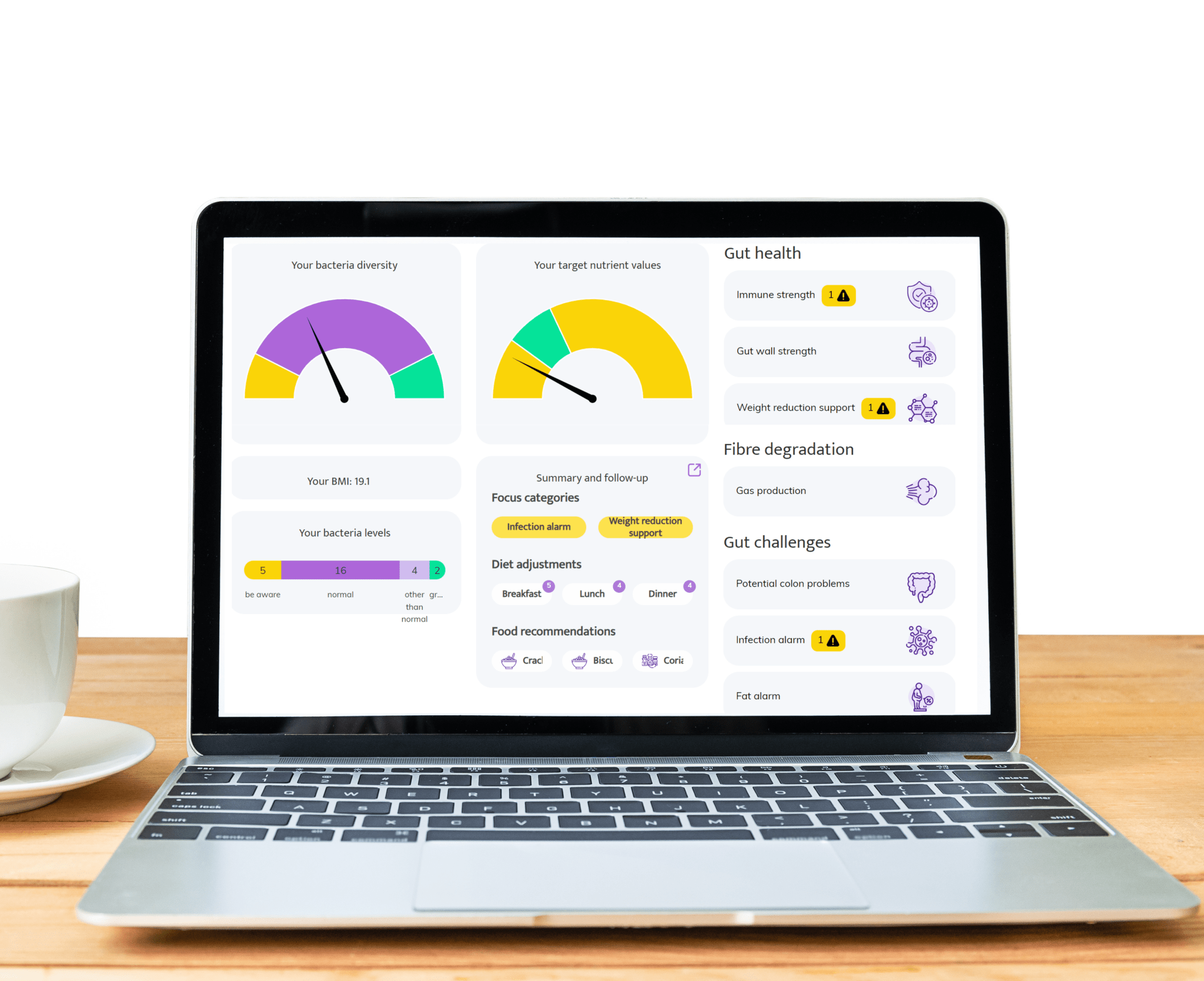
Unveiling the Role of Gut Microbiome in Weight Gain and Metabolic Health


    innerbuddies gut microbiome testing

    Metabolic & Weight Health: Tapping the Gut Microbiome to Master Gut Health Symptoms & Conditions

    Introduction to the Gut Microbiome and Its Impact on Weight and Metabolism

    The gut microbiome refers to the trillions of microorganisms, including bacteria, viruses, fungi, and other microbes, residing in the digestive tract. This diverse microbial community plays an indispensable role in human health, influencing digestion, immunity, and even mental well-being.

    One of the most intriguing areas of recent research involves the connection between the gut microbiome and weight gain, as well as broader implications for metabolic health. Scientists are uncovering how imbalances in these gut microbes can lead to conditions such as obesity, type 2 diabetes, and metabolic syndrome.

    Understanding the Composition of the Gut Microbiome

    The gut harbors over 1,000 different species of microorganisms, with bacteria being the predominant group. Major bacterial phyla such as Firmicutes and Bacteroidetes dominate the gut environment. The ratio between these groups can significantly influence energy extraction from food and fat deposition.

    Each individual’s microbiome composition is unique, shaped by genetics, diet, lifestyle, medication use, and environmental factors. A healthy gut microbiome is generally diverse and balanced, contributing to efficient metabolism and weight maintenance.

    Metabolic Functions of the Gut Microbiome

    The gut microbes contribute to important metabolic functions including:

    Given these multifaceted functions, any disruption in microbiome balance can have profound effects on body weight and metabolic health.

    Linking Gut Microbiota to Obesity and Weight Gain

    obesity is a complex disorder influenced not only by lifestyle and genetics but also by the composition and functionality of the gut microbiome. Several research studies have demonstrated that individuals with obesity tend to have a different microbial profile compared to lean individuals.

    For example, an increased Firmicutes-to-Bacteroidetes ratio has been associated with higher energy harvest from the diet, promoting fat accumulation. Additionally, certain microbial species have the ability to influence host metabolism by interacting with intestinal epithelial cells and the immune system.

    Experimental models, including germ-free mice transplanted with microbiota from obese donors, have shown significant increases in body fat, confirming a causative role of gut microbes in weight gain.

    The Emerging Paradigm: Gut Microbiome as a Metabolic Regulator

    The concept that the gut microbiome serves as a key metabolic regulator has shifted the way scientists view obesity and metabolic diseases. This understanding opens new avenues for therapeutic strategies targeting the microbiome to improve metabolic outcomes and manage weight.

    Emerging treatments such as probiotics, prebiotics, synbiotics, and fecal microbiota transplantation aim to restore balance in the gut microbial ecosystem, thereby influencing metabolic parameters.

    In the subsequent sections, we will explore in detail the mechanisms through which the gut microbiome influences weight gain and metabolic health, the factors that disrupt microbiome balance, and potential interventions aimed at optimizing gut health for metabolic benefits.

    innerbuddies gut microbiome testing

    Mechanisms by Which the Gut Microbiome Influences Weight Gain

    Energy Harvesting from the Diet

    A key mechanism linking the gut microbiome to weight gain lies in its ability to increase energy extraction from consumed food. Microbial fermentation of dietary polysaccharides that human digestive enzymes cannot break down leads to the generation of short-chain fatty acids (SCFAs) which serve as additional energy sources.

    SCFAs contribute approximately 10% of daily caloric requirements, and by increasing energy availability, they can facilitate fat storage, especially if energy intake exceeds expenditure. Moreover, SCFAs act as signaling molecules influencing metabolic pathways related to fat accumulation.

    Modulation of Host Metabolism via Gut Hormones

    The gut microbiome can regulate the secretion of hormones that control appetite, energy balance, and insulin sensitivity. These include:

    Alterations in microbial composition can affect the levels of these hormones, thus influencing food intake and energy metabolism. For example, certain beneficial bacterial species enhance GLP-1 production, which improves glucose metabolism and may reduce weight gain.

    Impact on Intestinal Barrier and Inflammation

    An imbalanced gut microbiome, or dysbiosis, can compromise the integrity of the intestinal barrier, leading to increased permeability often referred to as “leaky gut.” This condition allows bacterial components like lipopolysaccharides (LPS) to enter circulation.

    Elevated LPS induces chronic low-grade inflammation, a hallmark feature of obesity that contributes to insulin resistance and metabolic dysfunction. This inflammatory state disrupts normal metabolic signaling and promotes fat deposition.

    Regulation of Lipid Metabolism

    The microbiota also influences lipid metabolism by modifying the composition and reabsorption of bile acids essential for fat digestion. Certain gut microbes can deconjugate and transform bile acids, altering their signaling capacity through receptors such as FXR and TGR5 which regulate lipid and glucose homeostasis.

    These interactions can affect serum cholesterol levels and adiposity, linking microbiome activity directly to metabolic health.

    Microbial Metabolites Beyond SCFAs

    Besides SCFAs, gut microbes produce a range of metabolites impacting metabolic functions including:

    The production and balance of these metabolites can influence obesity development and metabolic health, emphasizing the broad scope of gut microbiome impact.

    innerbuddies gut microbiome testing

    Metabolic & Weight Health: Tapping the Gut Microbiome to Master Gut Health Symptoms & Conditions

    Factors Influencing Gut Microbiome Composition and Their Effects on Metabolic Health

    Dietary Patterns and Nutritional Influences

    The gut microbiome is highly responsive to dietary inputs, with long-term and short-term dietary changes shaping microbial diversity and function. Diets rich in fiber, fruits, vegetables, and fermented foods tend to promote a more diverse and balanced microbiome that enhances metabolic health.

    In contrast, high-fat, high-sugar, and highly processed diets can promote dysbiosis characterized by reduced beneficial bacteria and increased pathogenic species. These changes are linked to increased calorie absorption, inflammation, and metabolic disease risk.

    Antibiotics and Medications

    Use of antibiotics, particularly broad-spectrum types, can drastically alter gut microbiota composition by killing both harmful and beneficial bacteria. Such disruptions may lead to long-lasting effects on metabolism, increasing susceptibility to weight gain and metabolic dysfunction.

    Other medications, including proton pump inhibitors, metformin, and certain antipsychotics, also influence microbiome balance and can modulate metabolic outcomes.

    Genetics and Host Factors

    Host genetics influences the establishment and maintenance of the gut microbiome. Variations in immune system genes and intestinal environment can affect which microbial species colonize and thrive.

    Additionally, factors such as age, sex, and hormonal status shape microbiome composition, introducing variability in how the gut bacteria impact metabolism and weight gain.

    Environmental and Lifestyle Contributors

    Lifestyle elements such as physical activity, stress levels, sleep patterns, and exposure to environmental toxins also modulate the gut microbiome. For instance:

    Early Life Microbiome Development

    Initial colonization of the gut microbiome during infancy is critical. Factors such as mode of delivery (vaginal birth vs. cesarean section), breastfeeding, antibiotic exposure, and introduction of solid foods shape the early microbial ecosystem, potentially influencing lifelong metabolic health and obesity risk.

    Disturbances during this sensitive period may predispose individuals to metabolic disorders later in life.

    innerbuddies gut microbiome testing

    The Gut Microbiome and Specific Metabolic Diseases Beyond Weight Gain

    Type 2 Diabetes Mellitus

    Research has revealed significant alterations in the gut microbiome of individuals with type 2 diabetes (T2D). Dysbiosis in diabetic patients is marked by decreased abundance of butyrate-producing bacteria and increased opportunistic pathogens.

    Altered microbiota impairs intestinal barrier function and promotes systemic inflammation, contributing to insulin resistance. Certain microbes influence the metabolism of carbohydrates and lipids, affecting glycemic control.

    Interventions targeting microbial balance have shown promise in improving insulin sensitivity and glycemic markers in T2D patients.

    Metabolic Syndrome

    Metabolic syndrome is characterized by abdominal obesity, hypertension, dyslipidemia, and insulin resistance. The gut microbiome’s role in the pathogenesis of metabolic syndrome centers around its impact on inflammation, fat accumulation, and glucose metabolism.

    Dysbiotic patterns common in metabolic syndrome patients often involve reduced diversity and shifts toward pro-inflammatory flora that worsen metabolic parameters.

    Non-Alcoholic Fatty Liver Disease (NAFLD)

    The gut-liver axis highlights the interaction between gut microbes and the liver. Altered gut microbiota composition can increase gut permeability and bacterial translocation leading to liver inflammation and fat deposition, key features of NAFLD.

    Understanding microbiome involvement opens avenues for novel treatments targeting gut flora to ameliorate NAFLD progression.

    Cardiovascular Disease (CVD) Risk

    Microbiome-derived metabolites such as TMAO have been identified as risk factors for atherosclerosis and cardiovascular events. Changes in gut microbiota composition can influence lipid profiles and vascular inflammation, linking microbiome health with cardiovascular outcomes.

    Gut-Brain Axis and Metabolic Health

    The bidirectional communication between the gut microbiome and the central nervous system, known as the gut-brain axis, mediates effects on appetite regulation and energy balance. Microbial metabolites influence neural pathways controlling hunger and satiety, highlighting the complexity of microbiome involvement in metabolic regulation.

    innerbuddies gut microbiome testing

    Strategies and Interventions to Modulate Gut Microbiome for Weight and Metabolic Health

    Dietary Approaches

    Optimizing diet remains a cornerstone for shaping a beneficial gut microbiome profile. Key strategies include:

    Probiotics and Prebiotics

    Probiotics are live beneficial bacteria that can be consumed through supplements or foods to restore microbiome balance. Common strains include Lactobacillus and Bifidobacterium species which have been shown to reduce body fat, improve insulin sensitivity, and decrease inflammation.

    Prebiotics are substrates like inulin and fructooligosaccharides that selectively promote growth of beneficial microbes, amplifying favorable metabolic effects.

    Combined use of probiotics and prebiotics, termed synbiotics, may exert synergistic benefits for weight control and metabolic health.

    Fecal Microbiota Transplantation (FMT)

    FMT involves the transfer of gut microbiota from healthy donors to recipients to re-establish microbial diversity and function. Preliminary studies demonstrate that FMT from lean donors can improve insulin sensitivity and metabolic parameters in obese or diabetic individuals.

    While promising, more research is needed to validate safety and efficacy for widespread clinical use.

    Pharmacological and Microbiome-Targeted Therapies

    Emerging drugs aim to modulate microbial composition and activity, including:

    The integration of microbiome science into pharmacology could revolutionize treatment of metabolic diseases.

    Lifestyle and Behavioral Modifications

    Regular physical activity improves microbial diversity and favorably alters gut microbiota. Stress management and quality sleep help maintain microbial balance, supporting metabolic health.

    Overall, multifaceted approaches combining diet, lifestyle, and targeted microbiome interventions represent the most effective strategy to combat weight gain and metabolic disorders linked to gut microbiome dysbiosis.

    Conclusion

    The gut microbiome plays a pivotal role in regulating weight gain and metabolic health through complex interactions involving energy harvest, hormone modulation, immune responses, and metabolite production. Disruptions in the delicate microbial balance contribute to obesity, diabetes, and associated metabolic diseases.

    Advancements in microbiome research have expanded our understanding of these mechanisms and led to innovative strategies aimed at restoring gut microbial harmony for improved metabolic outcomes. Personalized nutrition, probiotics, prebiotics, and emerging microbiome-targeted therapies hold significant promise in addressing the global burden of metabolic disorders.

    Future research will continue to unravel the intricate relationships between the gut microbiome and host metabolism, ultimately enabling more precise, effective approaches to manage and prevent weight gain and metabolic disease through microbiome modulation.

    Read more: Exploring the Gut Microbiome's Impact on Weight and Metabolic Health

    Areas where InnerBuddies gut microbiome testing can make a significant impact

    • Digestive Health

      Gut discomfort like bloating, constipation, gas, or diarrhea often stems from an imbalance in gut bacteria. InnerBuddies analyzes the composition and diversity of your gut microbiome, identifying specific imbalances such as low fiber-fermenting bacteria or an overgrowth of gas-producing microbes.

      By pinpointing the root causes of digestive issues, InnerBuddies provides personalized, evidence-based recommendations to support digestion. Whether through targeted diet changes, prebiotics, or probiotics, users can take actionable steps to restore harmony and improve GI comfort.

    • Immune Function

      Over 80% of the immune system resides in the gut, and a diverse microbiome plays a key role in training immune cells to respond appropriately. InnerBuddies helps users assess their microbiome’s ability to support immune balance and resilience.

      Low microbial diversity or the presence of inflammatory bacteria may indicate a weakened defense system. InnerBuddies delivers tailored suggestions—like anti-inflammatory foods or immune-supportive nutrients—to help build a stronger, more balanced immune response.

    • Mental Health & Mood (Gut-Brain Axis)

      Emerging research shows that your microbiome influences neurotransmitters like serotonin, dopamine, and GABA, directly affecting mood and stress levels. InnerBuddies evaluates gut-brain axis markers to explore how your microbes may be impacting your mental well-being.

      With insight into bacterial strains associated with anxiety, depression, or stress resilience, InnerBuddies can guide personalized strategies to help improve emotional balance—ranging from fiber-rich diets to psychobiotic supplements.

    • Weight Management & Metabolism

      Certain gut bacteria can extract more energy from food and influence fat storage, insulin sensitivity, and appetite hormones. InnerBuddies assesses metabolic markers in your microbiome profile to help reveal how your gut may be impacting your weight.

      With tailored advice on foods that support healthy metabolism—such as resistant starches or polyphenol-rich plants—InnerBuddies empowers users to make microbially informed decisions that complement their health goals and weight management strategies.

    • Skin Health

      Skin conditions like acne, eczema, and rosacea are increasingly linked to gut imbalances and systemic inflammation. InnerBuddies analyzes your microbiome to detect patterns that may contribute to inflammatory skin responses.

      By supporting gut barrier integrity and reducing pro-inflammatory microbes, the recommendations from InnerBuddies can help improve skin from the inside out—encouraging a clearer complexion and fewer flare-ups through gut-skin axis awareness.

    • Personalized Nutrition

      Not all foods are beneficial for every gut. InnerBuddies delivers customized nutrition insights based on your unique microbial profile—identifying foods that nourish beneficial bacteria and flagging those that may trigger dysbiosis.

      This personalized approach helps users move beyond one-size-fits-all diets and embrace gut-friendly nutrition strategies. Whether you’re optimizing for energy, digestion, or longevity, InnerBuddies transforms your microbiome data into actionable meal plans.

    Hear from our satisfied customers!

    • "I would like to let you know how excited I am. We had been on the diet for about two months (my husband eats with us). We felt better with it, but how much better was really only noticed during the Christmas vacations when we had received a large Christmas package and didn't stick to the diet for a while. Well that did give motivation again, because what a difference in gastrointestinal symptoms but also energy in both of us!"

      - Manon, age 29 -

    • "Super help!!! I was already well on my way, but now I know for sure what I should and should not eat, drink. I have been struggling with stomach and intestines for so long, hope I can get rid of it now."

      - Petra, age 68 -

    • "I have read your comprehensive report and advice. Many thanks for that and very informative. Presented in this way, I can certainly move forward with it. Therefore no new questions for now. I will gladly take your suggestions to heart. And good luck with your important work."

      - Dirk, age 73 -