Mood Swings and Gut Health: How Your Gut Microbiome Influences Your Mood

Gut Microbiome and Mental Health: The Gut-Brain Axis Explained
Mood Swings and Gut Health: What the Research Shows
Mood swings and gut health are closely connected through the gut-brain axis, the two-way communication network between your digestive tract and your brain. When gut bacteria are balanced, they support neurotransmitter production, immune signalling and inflammation control — all of which influence emotional stability. When that balance is disrupted, many people notice increased irritability, anxiety, low mood and unpredictable emotional shifts.
This guide explains how the gut microbiome influences mood, the signs that gut issues may be affecting your emotional wellbeing, and practical steps you can take to support both.
What Is the Gut Microbiome?
The gut microbiome is a community of trillions of microorganisms — including bacteria, viruses, fungi and other microbes — living in your digestive tract. The largest bacterial groups include:
- Firmicutes
- Bacteroidetes
- Actinobacteria
- Proteobacteria
Your microbial composition varies from person to person and is shaped by diet, genetics, environment, lifestyle and medication use, particularly antibiotics. Maintaining a balanced gut microbiota supports digestion, immune function, nutrient absorption and, as research increasingly suggests, mental wellbeing.
When this balance is disturbed — a state called dysbiosis — the effects may extend beyond digestion to include immune dysregulation and changes in mood or cognition.
What Is the Gut-Brain Axis?
The gut-brain axis is a bidirectional signalling network linking the enteric nervous system of the gut with the central nervous system. Communication happens through several pathways:
- The vagus nerve, a direct neural highway between gut and brain
- Immune signalling molecules (cytokines) released in the gut
- Microbial metabolites such as short-chain fatty acids
- Hormonal pathways, including regulation of cortisol
The gut microbiome plays a key role in modulating this axis, which is why gut health is increasingly studied as a factor in mood and emotional regulation.
Early Research Linking Gut Health and Mental States
Research using animal models, faecal microbiota transplants and probiotic interventions has explored how changes in gut microbial composition may affect brain chemistry and behaviour. While much of this work is still emerging, it has helped establish the gut microbiome as a relevant factor in mental health research — including areas related to anxiety, depression and mood disorders.

How the Gut Influences Mood: Key Mechanisms
Mood swings — shifts between feelings of contentment, sadness, irritability or anxiety — are influenced by neurobiology. Several mechanisms explain how gut health can play a role.
Neurotransmitter Production in the Gut
Neurotransmitters are chemical messengers that regulate mood, sleep and stress responses. Key mood-related neurotransmitters include serotonin, dopamine and gamma-aminobutyric acid (GABA).
Interestingly, a large proportion of the body's serotonin is produced in the gut. Certain gut bacteria are involved in synthesising or modulating neurotransmitters and their precursors, including:
- Serotonin and its precursor, 5-HTP
- GABA, associated with calm and relaxation
- Dopamine precursors
- Short-chain fatty acids that influence brain signalling
These microbial activities communicate with the brain through the gut-brain axis.
Dysbiosis and Mood Instability
When the gut microbial community is disrupted, neurotransmitter production can become imbalanced, potentially contributing to mood disturbances. Dysbiosis may also increase intestinal permeability — sometimes referred to as "leaky gut" — allowing inflammatory molecules to enter circulation and, in some cases, influence brain function.
Systemic inflammation can activate microglial cells (the brain's immune cells), which may contribute to neuroinflammation and affect mood-regulating circuits.
Stress, Cortisol and the Gut
Stress activates the hypothalamic-pituitary-adrenal (HPA) axis, releasing cortisol. Elevated cortisol can affect brain regions involved in mood, but it also impacts gut barrier integrity and microbial composition. A disrupted microbiome may amplify stress responses, creating a feedback loop that can contribute to mood instability.
What the Research Suggests
Studies in both animals and humans have explored these pathways. Findings consistently point to an association between gut microbial composition and mood-related outcomes, though researchers emphasise that causality in humans is still being established. The evidence supports viewing gut health as one relevant factor in mood regulation — not a replacement for professional mental health care.

Gut Microbiome and Mental Health: The Gut-Brain Axis Explained
Signs Your Gut Health May Be Affecting Your Mood
Certain patterns can suggest that gut issues are influencing emotional wellbeing. If you recognise several of these alongside unexplained mood changes, it may be worth discussing your gut health with a healthcare professional.
Common Signs of an Unhealthy Gut
- Frequent bloating, gas or digestive discomfort
- Irregular bowel habits (constipation or diarrhoea)
- Unexplained fatigue
- Food intolerances or sensitivities
- Skin issues such as eczema or acne
- Sugar cravings
- Brain fog or difficulty concentrating
Mood-Related Symptoms Linked to Gut Health
Research has identified differences in gut microbial diversity between people experiencing mood disorders and healthy controls. Symptoms where gut health may play a contributing role include:
- Increased irritability or emotional reactivity
- Anxiety or feelings of nervousness without a clear trigger
- Low mood or persistent sadness
- Difficulty managing stress
- Disrupted sleep that affects emotional regulation
Inflammation as a Shared Mechanism
Inflammation is one pathway linking gut dysbiosis and mood disorders. Elevated inflammatory markers such as C-reactive protein and certain cytokines have been observed in some individuals with depression and bipolar disorder. Dysbiotic gut bacteria may contribute to this inflammatory environment through increased gut permeability.
It is important to note that mood disorders have many contributing factors. Gut health is one piece of a larger picture that includes genetics, life circumstances, sleep, physical activity and psychological support.
When to Seek Professional Advice
If mood swings are persistent, severe or interfering with daily life, speak with a doctor or mental health professional. Gut-focused strategies can complement — but should not replace — evidence-based care for mood disorders.
How to Support Gut Health for Better Mood
Practical changes to diet and lifestyle are the most accessible ways to support the gut-brain axis. While no single change is a cure, these steps can help promote microbial balance and emotional stability.
Dietary Changes for a Gut Reset
A gut reset doesn't require extreme measures. Focus on adding rather than restricting:
- Fibre-rich plant foods — aim for variety across fruits, vegetables, legumes, whole grains, nuts and seeds
- Fermented foods such as yoghurt, kefir, sauerkraut and kimchi, which can introduce beneficial microbes
- Prebiotic foods like garlic, onions, leeks, oats and bananas that feed beneficial gut bacteria
- Omega-3 sources such as oily fish, walnuts and flaxseeds, which have been associated with lower inflammation
Reducing ultra-processed foods, excess added sugar and frequent unnecessary antibiotic use can also help maintain microbial balance.
Physical Activity
Regular exercise has been associated with increased microbial diversity and reduced systemic inflammation. It also supports neurotransmitter balance and can improve mood regulation. Even moderate activity — such as 30 minutes of brisk walking most days — can be beneficial.
Stress Management and Sleep
Chronic stress and poor sleep can disrupt microbiome composition and increase intestinal permeability. Practices that may help include:
- Mindfulness or meditation
- Consistent sleep schedules
- Limiting screens before bed
- Deep breathing or progressive muscle relaxation
Antibiotics and Medications
Antibiotics are essential when prescribed for bacterial infections, but they can significantly alter gut microbiota. If you've recently completed a course of antibiotics, ask your pharmacist or doctor about probiotic support during recovery.
Personalised Nutrition and Microbiome Testing
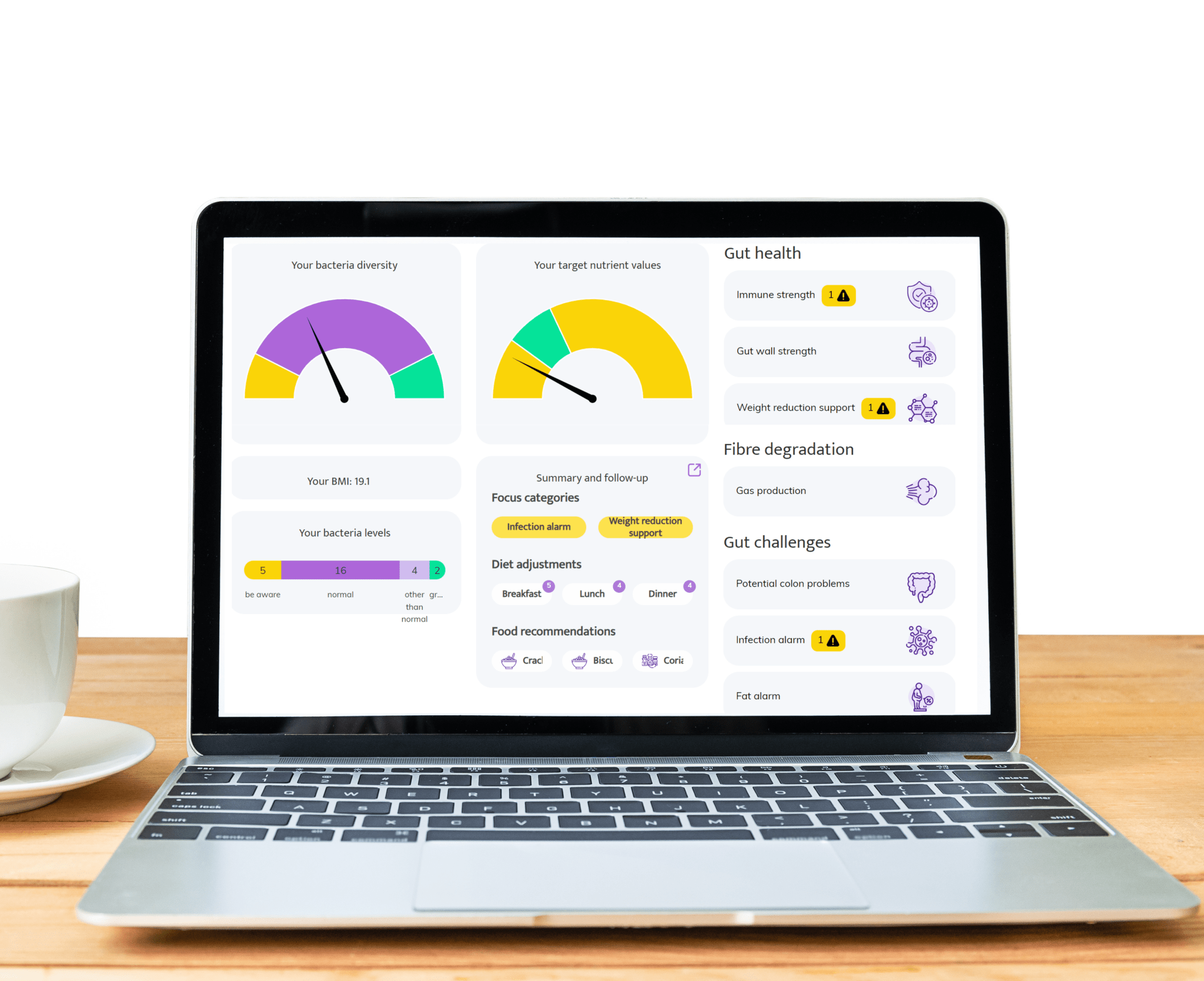
Microbiome testing can provide insight into your microbial composition and may inform personalised dietary or lifestyle suggestions. While microbiome tests are not diagnostic tools for medical conditions, they can be a useful starting point for understanding your gut health — particularly when interpreted alongside professional guidance.

Frequently Asked Questions
How can I tell if my gut is healthy?
A healthy gut is generally characterised by regular bowel movements, minimal bloating or discomfort, good digestion of a varied diet, stable energy levels and no recurring food sensitivities. If you experience persistent digestive issues, fatigue or unexplained mood changes, a healthcare professional can help assess your gut health.
What are the 7 signs of an unhealthy gut?
Common signs include frequent bloating or gas, irregular bowel habits, unexplained fatigue, food intolerances, skin problems, sugar cravings and brain fog. When gut issues coincide with mood swings, anxiety or irritability, the gut-brain connection may be worth exploring.
How do you do a gut reset?
A gut reset involves simple dietary and lifestyle shifts rather than extreme cleanses: eat more fibre-rich plants, include fermented foods, reduce ultra-processed food intake, manage stress, sleep consistently and stay physically active. Always approach major dietary changes with professional guidance if you have a diagnosed condition.
Why do so many people have gut issues?
Modern diets high in ultra-processed food, frequent antibiotic use, chronic stress, sedentary lifestyles and reduced microbial exposure are all factors that may contribute to widespread digestive complaints. Genetics and environmental factors also play a role.
What emotion is felt in the gut?
The gut is sometimes called the "second brain" because it contains its own nervous system and produces neurotransmitters involved in mood. While the gut doesn't generate emotions in isolation, sensations like "butterflies" or a "gut feeling" reflect real communication between the digestive system and the brain via the vagus nerve and gut-brain axis.
Can improving gut health help with mood swings?
Research suggests that supporting gut health through diet, lifestyle and — where appropriate — professional guidance may contribute to more stable mood. However, gut health is one factor among many, and persistent mood swings should be evaluated by a healthcare professional.
The Bottom Line
Mood swings and gut health are connected through the gut-brain axis, neurotransmitter production and inflammatory pathways. While the science is still evolving, supporting your microbiome with a varied, fibre-rich diet, fermented foods, regular movement, good sleep and stress management is a practical, low-risk way to support both digestive and emotional wellbeing. For persistent mood changes, professional medical advice remains essential.
Find more details about Mental Health
You can find more information on the related topics below.
Read more: Gut Health and Mood Swings — Understanding the Gut-Brain Connection
Your Gut Has a Story. Read It — Then Fix Potential Problems
Full microbiome sequencing + Gut Health Index. Metabolic pathways, diversity, keystone species. Personalized plans available (diet, supplements, diary, recipes). EU lab + Maastricht University spin-off + GDPR-safe.