How Your Body Produces Energy and Why Your Gut Microbiome Matters

Gut Health and Fatigue: 7 Signs Your Gut Affects Energy
In simple terms, energy is the capacity to do work. In the human body, that work includes muscle contraction, digestion, nerve signalling, immune defence and tissue repair, all powered by a molecule called adenosine triphosphate (ATP). On this page, "energy production" means cellular energy metabolism, or how the body creates and uses ATP, not electricity generation. Understanding this process helps explain why fatigue develops and where the gut microbiome fits in.
How the Body Produces Energy
The body releases energy from carbohydrates, fats and proteins and stores it in ATP, the cell's main energy currency. Muscle contraction, nerve signalling, hormone production and countless metabolic reactions all depend on a steady ATP supply. When ATP production becomes less efficient, the result is often felt as tiredness, low motivation or slow recovery after activity.
The Main Energy-Producing Pathways
Cells generate ATP through several interconnected pathways that operate at different speeds and intensities:
- The ATP-PC (phosphocreatine) system provides the fastest, shortest bursts of energy by regenerating ATP from creatine phosphate without needing oxygen. It powers explosive efforts lasting only a few seconds.
- Glycolysis breaks down glucose in the cell fluid (cytoplasm) and produces ATP quickly, with or without oxygen. It supports moderately intense activity lasting from seconds to a few minutes.
- The citric acid cycle (Krebs cycle) processes breakdown products of carbohydrates, fats and proteins inside the mitochondria.
- Oxidative phosphorylation uses oxygen inside the mitochondria to generate the largest amount of ATP and is the main pathway for steady, sustained energy.
These pathways work together rather than in isolation. Short bursts of activity rely more on the ATP-PC system and glycolysis, while everyday energy production depends heavily on mitochondrial pathways.
Why Mitochondria Matter for Energy and Fatigue
Mitochondria are often described as the powerhouses of the cell, and for good reason: they host the citric acid cycle and oxidative phosphorylation, so they produce most of the ATP the body needs. The first steps of glucose breakdown occur in the cell fluid, but the largest share of ATP is generated inside the mitochondria, which are especially abundant in high-demand tissues such as muscle, heart, brain and liver. Mitochondria also help regulate cellular metabolism, the balance of reactive oxygen species (oxidative stress) and cell turnover. Because mitochondrial output influences so many systems, factors that affect mitochondrial health can also affect how energetic a person feels.
Energy Sources: Carbohydrates, Fats and Proteins
The body can use three main fuels to make ATP, and each plays a different role:
- Carbohydrates (glucose) are the fastest accessible fuel. They are broken down through glycolysis, can be stored as glycogen in the liver and muscles, and provide quick ATP, but the body's storage capacity is limited.
- Fats (fatty acids) are the most energy-dense fuel. They yield more ATP per gram than carbohydrates and are the preferred fuel during rest and long, steady activity, but they require more oxygen to convert into ATP.
- Proteins (amino acids) are usually a minor energy source. They contribute more during fasting, prolonged exercise or low glycogen states, after being converted into intermediates that enter the energy pathways.
The practical point is that the body switches between fuels depending on the situation, and shortfalls in any fuel, or in the nutrients needed to process it, can slow energy production.
What Influences How Efficiently You Produce Energy
Energy production efficiency varies from person to person and can be influenced by:
- Nutrient availability, including B vitamins, iron, magnesium and other cofactors used by mitochondrial enzymes
- The number and function of mitochondria
- Sleep quality and circadian rhythm
- Physical activity level and fitness
- Ongoing inflammation or immune activation
- Stress and mental load
- Gut health and the composition of the gut microbiome
The last point is easy to overlook, but a growing body of research suggests the gut microbiome is one of the factors that can shape how well the body produces and uses energy.

How the Gut Microbiome Influences Energy Production
The gut microbiome is the community of trillions of bacteria, fungi, viruses and archaea living in the digestive tract. It helps break down food, produces vitamins and other compounds, trains the immune system and communicates with organs throughout the body, including the brain and muscles. Through these routes, the gut microbiome can influence energy metabolism and how tired a person feels.
Short-Chain Fatty Acids as Fuel and Signals
When gut bacteria ferment dietary fibre and resistant starch, they produce short-chain fatty acids (SCFAs) such as acetate, propionate and butyrate. These compounds are not simply waste products:
- SCFAs are used as an energy source by the cells lining the gut.
- They influence appetite, blood sugar handling and fat metabolism.
- They help regulate inflammation.
- They act as signalling molecules that can influence mitochondrial activity.
A diet low in fermentable fibre tends to reduce SCFA production, which may make it harder for the body to maintain steady energy metabolism.
Nutrient Absorption and Vitamin Production
The microbiome helps unlock nutrients from food and synthesises certain vitamins, including some B vitamins that act as cofactors in mitochondrial energy production. When the microbiome is disrupted, nutrient extraction and vitamin availability can drop, which may indirectly reduce the raw materials available for ATP synthesis.
Effects on Mitochondrial Function
Research suggests that microbial metabolites can influence mitochondrial dynamics, meaning how mitochondria are formed, repaired and recycled, as well as the body's ability to manage oxidative stress. Some plant compounds (polyphenols) are converted by gut bacteria into metabolites that interact with pathways such as AMPK and PGC-1α, which are involved in mitochondrial health and energy regulation.
These findings are promising but still evolving. They do not yet prove that changing the microbiome reliably increases energy in every person.
The Gut–Mitochondria Connection
Researchers increasingly describe a two-way relationship between gut microbes and mitochondria. Microbes and their metabolites influence mitochondrial function, while host metabolism and immune signals shape the gut environment in return. When this communication becomes unbalanced, low-grade inflammation and less efficient energy production can appear together — a pattern often reported by people with persistent fatigue.

Gut Health and Fatigue: 7 Signs Your Gut Affects Energy
Gut Dysbiosis, Fatigue and Gut Symptoms
Dysbiosis means an imbalance in the composition or activity of the gut microbiome. It can show up as digestive symptoms such as bloating, gas, constipation or diarrhoea, but it may also have effects that reach beyond the gut.
How Dysbiosis May Contribute to Tiredness
Two mechanisms are most often discussed:
- Low-grade inflammation. An imbalanced microbiome can promote chronic, mild immune activation, with higher levels of inflammatory signalling molecules. Inflammation has been associated with reduced mitochondrial efficiency and with the feeling of being run down.
- Increased intestinal permeability. When the gut barrier becomes more permeable, bacterial components such as lipopolysaccharides (LPS) can enter the bloodstream and trigger further immune responses.
Both processes are plausible contributors to fatigue, although the strength of the effect varies between individuals and is still being studied.
Gut Conditions Commonly Linked with Fatigue
Fatigue is a frequent companion to digestive conditions, including irritable bowel syndrome (IBS), inflammatory bowel disease (IBD) and small intestinal bacterial overgrowth (SIBO). In these conditions, tiredness usually has several causes at once: inflammation, reduced nutrient absorption, disrupted sleep and the strain of ongoing symptoms. Treating only the digestive symptoms may therefore not resolve low energy on its own.
The Gut–Brain Axis and Mental Fatigue
The gut and brain communicate constantly through the vagus nerve, the immune system and microbial metabolites, including neurotransmitter precursors and SCFAs. This connection helps explain why an unbalanced microbiome has been associated with brain fog, low mood, anxiety and poor concentration — symptoms that often accompany physical fatigue. Gut health and mental energy are not separate topics; they influence each other.
Practical Ways to Support Energy Production and Gut Health
Because energy metabolism and the microbiome overlap, habits that support one often support the other. The strategies below are general and are not treatments for a diagnosed fatigue condition.
Eat for Microbial Diversity
- Build meals around a wide range of plant foods: vegetables, fruit, legumes, whole grains, nuts and seeds.
- Include fermentable fibres (prebiotics) such as oats, onions, garlic, leeks, bananas and legumes.
- Add fermented foods such as plain yoghurt, kefir, sauerkraut, kimchi and tempeh.
- Include polyphenol-rich foods such as berries, cocoa, green tea, olives and colourful vegetables.
- Limit ultra-processed foods, excess alcohol and unnecessary antibiotics, which can reduce microbial diversity.
Consider Probiotics and Prebiotics Carefully
Specific strains of Lactobacillus and Bifidobacterium have been studied for their effects on gut barrier function and inflammation, while prebiotics such as inulin, FOS and GOS selectively feed beneficial microbes. Evidence is strain-specific and results vary, so choose products with documented strains and discuss them with a healthcare professional, especially if you have a chronic condition or a weakened immune system.
Movement, Sleep and Stress
- Regular moderate activity, including walking and strength training, supports mitochondrial function and microbiome diversity.
- Very intense training without adequate recovery can increase fatigue and temporarily affect gut function.
- Consistent, sufficient sleep supports both energy restoration and a healthy gut barrier.
- Chronic stress affects digestion, the microbiome and how tired you feel, so stress management belongs in the plan rather than being optional.
Testing and Personalisation
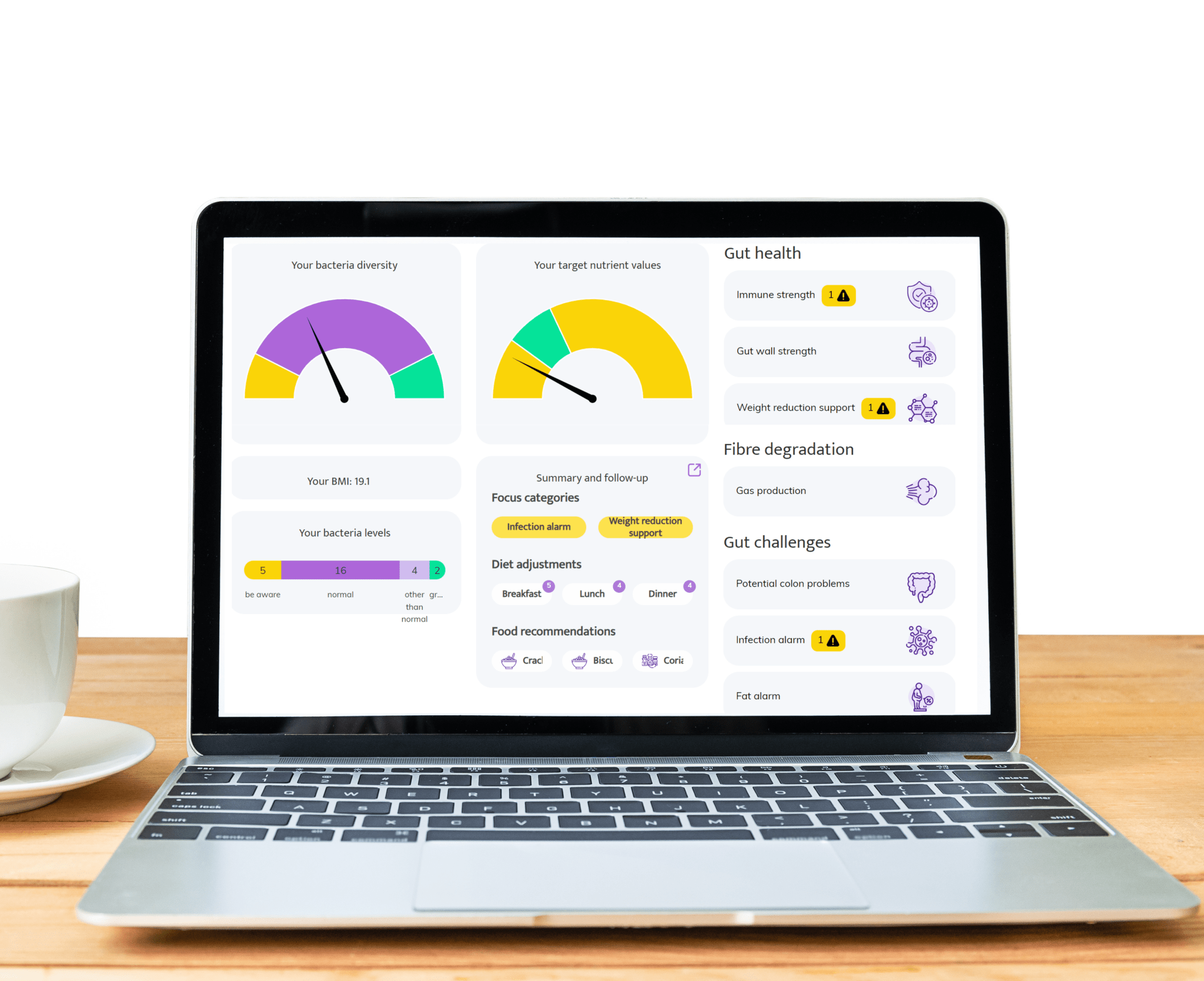
Microbiome testing can describe which microorganisms and functions are present in a stool sample. It may highlight patterns such as low diversity or a shortage of butyrate-producing bacteria, and it can be a useful starting point for a conversation with a clinician. It cannot, on its own, diagnose chronic fatigue syndrome, ME/CFS or the cause of your tiredness.
When to Seek Medical Advice
Talk to a healthcare professional if fatigue is persistent, worsening, or accompanied by unexplained weight loss, fever, digestive symptoms, mood changes or sleep problems. Fatigue has many possible causes, including thyroid disorders, anaemia, sleep disorders and infections, and these should be assessed before focusing on the microbiome.

Common Questions About Energy, Fatigue and Gut Health
What are some reasons for a lack of energy?
Low energy can come from many directions: insufficient or poor-quality sleep, low intake of nutrients such as iron or vitamin B12, an underactive thyroid, chronic stress, sedentary habits, medication effects, ongoing inflammation and infections. Gut-related factors such as dysbiosis or poor nutrient absorption can contribute too, but they are rarely the only explanation. Persistent fatigue deserves a proper medical review.
How can you recover from feeling run down?
Most people recover by addressing the basics: protecting sleep, eating regularly with enough protein, fibre and micronutrients, staying hydrated, moving gently and reducing alcohol and late-night screen time. After an illness, a gradual return to activity usually works better than pushing through. If you still feel exhausted after several weeks, or the tiredness is getting worse, see a doctor.
What is exercise fatigue syndrome?
Exercise fatigue syndrome is not a formal medical diagnosis, but the term is often used to describe persistent tiredness after training that does not resolve with normal rest. It can overlap with overtraining, poor recovery, inadequate nutrition or disrupted sleep. In some people, exertion triggers a more severe response called post-exertional malaise, which is a feature of ME/CFS rather than ordinary post-exercise tiredness.
What are the symptoms of ME/CFS?
Myalgic encephalomyelitis / chronic fatigue syndrome (ME/CFS) is a complex condition diagnosed clinically. Its symptoms can include deep fatigue not relieved by rest, unrefreshing sleep, cognitive difficulties (brain fog), dizziness when standing and a worsening of symptoms after physical or mental exertion. Microbiome research has found differences in gut bacteria between some people with ME/CFS and healthy controls, but this does not mean the microbiome causes the condition or that microbiome testing can diagnose it. Any suspicion of ME/CFS should be evaluated by a physician.
Where is this energy produced?
Glycolysis happens in the cell fluid (cytoplasm), which is where ATP can be generated quickly without oxygen. The largest and most efficient share of ATP comes from the citric acid cycle and oxidative phosphorylation inside the mitochondria. That is why mitochondria are concentrated in muscle, brain, heart and liver tissue, where energy demand is greatest.
How does the body generate energy?
The body generates energy by breaking down carbohydrates, fats and proteins to produce ATP. Quick efforts draw on the ATP-PC system and glycolysis, while sustained energy relies on the mitochondrial pathways described above. B vitamins, iron and magnesium act as cofactors in these reactions, which is why diet and gut function can influence how energetic you feel.
Does a microbiome test explain why you are tired?
Not by itself. A microbiome test describes the bacteria and functions present in your gut and can reveal patterns worth discussing, but fatigue is usually influenced by several factors at once. Results are best interpreted alongside your symptoms, blood tests and medical history by a qualified professional.
Limitations and Open Questions
- Much of the evidence linking the gut microbiome to energy metabolism comes from animal studies, small human studies or associations rather than controlled trials, so causality is not established.
- Microbiome composition varies widely between healthy people, which makes a single definition of normal difficult.
- Probiotic effects are strain-specific and not guaranteed.
- Individual responses to diet and supplements vary, so personalisation matters more than universal rules.
The Bottom Line
Energy production depends on efficient mitochondria and a steady supply of nutrients — and the gut microbiome can influence both. A diverse, fibre-rich diet, sufficient sleep, regular movement and thoughtful use of probiotics or prebiotics support that system. If tiredness is persistent or comes with gut symptoms, treat it as a signal to investigate rather than something to push through.
Find more details about Fatigue & Energy
You can find more information on the related topics below.
Read more: How Your Gut Microbiome Affects Energy Production and Fatigue
Your Gut Has a Story. Read It — Then Fix Potential Problems
Full microbiome sequencing + Gut Health Index. Metabolic pathways, diversity, keystone species. Personalized plans available (diet, supplements, diary, recipes). EU lab + Maastricht University spin-off + GDPR-safe.