Boost Your Gut Health: Exploring the Digestive Benefits of Sauerkraut and Fermented Foods

    innerbuddies gut microbiome testing

    Fermented Foods and the Gut Microbiome: How Probiotics in Your Diet Boost Digestive Health and Overall Wellness

    Understanding Gut Health and Its Importance

    Gut health is rapidly becoming one of the most talked-about topics in nutrition and wellness. The digestive system plays a pivotal role not only in breaking down the food we consume but also in supporting immunity, mental health, and overall well-being. Understanding the components and functions of a healthy gut is essential for anyone looking to improve their health through dietary choices.

    What Is Gut Health?

    Gut health refers to the balance and function of the gastrointestinal tract, which includes the stomach, intestines, and the trillions of bacteria known as the gut microbiome. A healthy gut means an optimal balance of good bacteria, efficient digestion and nutrient absorption, minimal inflammation, and a robust immune response.

    The Role of the Gut Microbiome

    The gut microbiome consists of a vast community of microorganisms, including bacteria, fungi, and viruses, that coexist symbiotically in our digestive tract. These microbes help digest complex carbohydrates, produce vital nutrients like certain vitamins and short-chain fatty acids, and train the immune system. Maintaining a diverse and balanced microbiome is essential for preventing digestive disorders and promoting long-term health.

    Common Issues Linked to Poor Gut Health

    When the gut microbiome is imbalanced—a condition known as dysbiosis—it can lead to issues such as:

    Therefore, supporting and enriching the gut flora is a key strategy for preventing these problems and maintaining overall health.

    Introduction to Sauerkraut and Fermented Foods

    Sauerkraut and other fermented foods have been staples in many traditional diets for centuries. Recently, scientific research has begun to highlight their remarkable benefits, especially concerning gut health. But what exactly makes these foods so beneficial?

    What Is Sauerkraut?

    Sauerkraut is finely shredded cabbage fermented by various lactic acid bacteria. The fermentation process preserves the cabbage, enhances its flavors, and creates a food rich in probiotics—live beneficial bacteria.

    The Science Behind Fermentation

    Fermentation is a natural metabolic process where microorganisms like bacteria and yeast convert sugars into acids, gases, or alcohol. In the case of sauerkraut, lactic acid bacteria ferment the sugars in cabbage, producing lactic acid. This acid acts as a preservative and gives sauerkraut its characteristic sour taste.

    Other Popular Fermented Foods

    Beyond sauerkraut, many fermented foods offer similar digestive benefits, including:

    innerbuddies gut microbiome testing

    The Digestive Benefits of Sauerkraut

    Sauerkraut is more than just a tangy side dish. Its rich concentration of probiotics, fiber, and nutrients makes it a powerful ally for digestive health. Let’s explore these benefits in greater detail.

    Rich Source of Probiotics

    One of the prime benefits of sauerkraut is its abundance of probiotics. These live microorganisms, mainly lactic acid bacteria such as Lactobacillus species, help restore the natural balance of gut bacteria. Consuming probiotics regularly can improve digestion, reduce symptoms of IBS, and combat harmful pathogens in the gut.

    Boosts Nutrient Absorption

    The fermentation process enhances the bioavailability of nutrients. This means your body can absorb vitamins and minerals—such as vitamin C, vitamin K, and iron—more efficiently when you consume fermented cabbage compared to raw cabbage.

    High in Dietary Fiber

    Sauerkraut is also a good source of dietary fiber, which is essential for healthy digestion. Fiber adds bulk to stools, aids regular bowel movements, and serves as a prebiotic, feeding the beneficial bacteria in your gut.

    Supports the Immune System

    A healthy gut microbiome supports the body's immune defenses. Studies suggest that the probiotics found in sauerkraut can enhance immune function by stimulating the production of antibodies and regulating inflammation.

    May Help Reduce Inflammation

    Chronic inflammation in the gut can trigger various digestive diseases. The lactic acid bacteria and antioxidant compounds in sauerkraut may help reduce inflammation and promote the healing of the gut lining.

    How Fermented Foods Improve Digestion

    Fermented foods in general, including sauerkraut, contribute holistically to digestion and digestive tract health.

    Restoring Gut Microbiota Diversity

    Introducing fermented foods can increase the diversity of your gut microbiota, which is strongly linked to good digestive health. A diverse microbiome is more resilient, able to digest a wider range of foods, and better equipped to fend off pathogens.

    Production of Beneficial Compounds

    Fermentation produces compounds such as short-chain fatty acids (SCFAs), including acetate, propionate, and butyrate, which nourish gut cells and improve gut barrier function.

    Enhancement of Enzymatic Activity

    Many fermented foods contain enzymes that help break down complex carbohydrates, proteins, and fats, easing the digestive process and reducing symptoms like bloating and gas.

    Balancing pH in the Gut

    The acids produced during fermentation help to lower the pH in the gut, creating an environment less hospitable to harmful bacteria and more favorable to beneficial microbes.

    innerbuddies gut microbiome testing

    Fermented Foods and the Gut Microbiome: How Probiotics in Your Diet Boost Digestive Health and Overall Wellness

    Incorporating Sauerkraut and Fermented Foods into Your Diet

    Making fermented foods like sauerkraut a part of your daily diet may seem challenging at first, but with a few strategies, it can become a simple and delicious habit that supports your digestive health.

    Choosing the Right Sauerkraut

    Not all sauerkraut is created equal. When buying sauerkraut, look for:

    Serving Suggestions for Sauerkraut

    Sauerkraut can be enjoyed in various ways that complement everyday meals, such as:

    Introducing Other Fermented Foods Gradually

    If you’re new to fermented foods, introduce them gradually to your diet. Start with a small serving size—1 to 2 tablespoons a day—to allow your digestive system to adapt and prevent discomfort.

    Homemade Fermented Food Recipes

    Experimenting with homemade recipes gives you full control over ingredients and fermentation time. Some beginner-friendly recipes include:

    Storage and Safety Tips

    Store fermented foods in the refrigerator to preserve probiotic content and slow fermentation. Always use clean utensils to avoid contamination and discard any product with mold or off odors.

    Scientific Research Supporting Sauerkraut and Fermented Foods for Gut Health

    The benefits of fermented foods, particularly sauerkraut, are supported by a growing body of scientific evidence, highlighting their positive impact on gut microbiota and digestion.

    Probiotics and Gut Microbiome Studies

    Research shows that consuming fermented foods rich in probiotics can increase beneficial bacteria populations in the gut. For example, several studies found that regular intake of sauerkraut enhanced the presence of Lactobacillus strains, improving digestion and immune response.

    Fermented Foods and Digestive Disorders

    Clinical trials have explored the use of fermented foods for managing symptoms of IBS and other functional digestive disorders. Many participants reported reduced bloating, diarrhea, and abdominal pain after introducing fermented vegetables into their diet.

    Anti-inflammatory Effects

    Animal and human studies suggest that fermented foods may reduce systemic inflammation through their antioxidant compounds and probiotic actions. This effect supports gut lining integrity and overall gut health.

    Enhancement of Nutrient Status

    Fermentation has been shown to increase bioavailability of minerals such as iron and zinc, improving nutritional status, especially in populations at risk for deficiencies.

    innerbuddies gut microbiome testing

    Potential Precautions and Considerations When Consuming Fermented Foods

    While fermented foods offer numerous benefits, certain individuals may need to approach their consumption with caution to avoid adverse effects.

    Digestive Sensitivities

    People with sensitive digestive systems or conditions like small intestinal bacterial overgrowth (SIBO) or histamine intolerance may experience worsened symptoms from fermented foods due to their live bacteria and histamine content.

    High Sodium Content

    Sauerkraut and many other fermented vegetables can be high in sodium, which might be a concern for individuals managing high blood pressure or cardiovascular risks. Opting for low-sodium versions or limiting portion sizes can help mitigate this issue.

    Interactions with Medications

    Some fermented foods contain compounds that may interact with specific medications, including monoamine oxidase inhibitors (MAOIs). Consulting with a healthcare provider is advisable if you are on such therapies.

    Allergic Reactions

    Though rare, some people can develop allergic reactions to fermented foods, especially if cross-contamination with allergens occurs during preparation.

    Gradual Introduction Is Key

    To minimize potential side effects, introduce fermented foods slowly and monitor your body's response. If uncomfortable symptoms persist, discontinue use and consult a healthcare professional.

    Tips for Maximizing the Benefits of Sauerkraut and Fermented Foods

    To fully harness the digestive benefits of sauerkraut and other fermented foods, consider these strategies.

    Diversity in Fermented Foods

    Incorporate various types of fermented foods (vegetables, dairy, beverages) to increase the diversity of probiotic strains and nutrients consumed.

    Pair Fermented Foods with Prebiotics

    Prebiotics are indigestible fibers that feed beneficial gut bacteria. Foods rich in prebiotics include garlic, onions, asparagus, and bananas. Combining these with fermented foods promotes a thriving microbiome.

    Maintain Overall Healthy Eating Habits

    An optimal diet for gut health is rich in whole grains, lean proteins, fruits, and vegetables while limiting processed foods and excess sugar.

    Stay Hydrated

    Water is essential for digestion and the function of fiber and probiotics. Aim to drink plenty of fluids alongside your fermented food intake.

    Consistency Is Crucial

    Regular intake of fermented foods is necessary to maintain their positive effects on the gut microbiome. Make them a staple rather than an occasional treat.

    innerbuddies gut microbiome testing

    Summary and Takeaway: Boost Your Gut Health with Sauerkraut and Fermented Foods

    The journey to improved digestive health can be deliciously simple by incorporating sauerkraut and a variety of fermented foods into your daily diet. These foods offer a natural, nutrient-rich source of probiotics, enzymes, and antioxidants that work synergistically to enhance gut microbiome diversity, improve nutrient absorption, support immune function, and reduce inflammation.

    Key Benefits Recap

    Practical Steps Forward

    Start slowly by including small portions of raw, unpasteurized sauerkraut or other fermented vegetables in meals. Experiment with recipes at home to customize flavors and probiotic content. Remember to consider individual sensitivities and consult with healthcare professionals if you have existing digestive disorders or dietary restrictions.

    Final Thought

    Prioritizing gut health through fermented foods like sauerkraut is a sustainable, natural approach that promotes overall well-being. The ancient practice of fermentation is backed by modern science, validating its role as a cornerstone of a healthy digestive system. Embrace these flavorful foods and give your gut the boost it deserves!

    Read more: Enhancing Your Gut Health with Sauerkraut and Fermented Foods

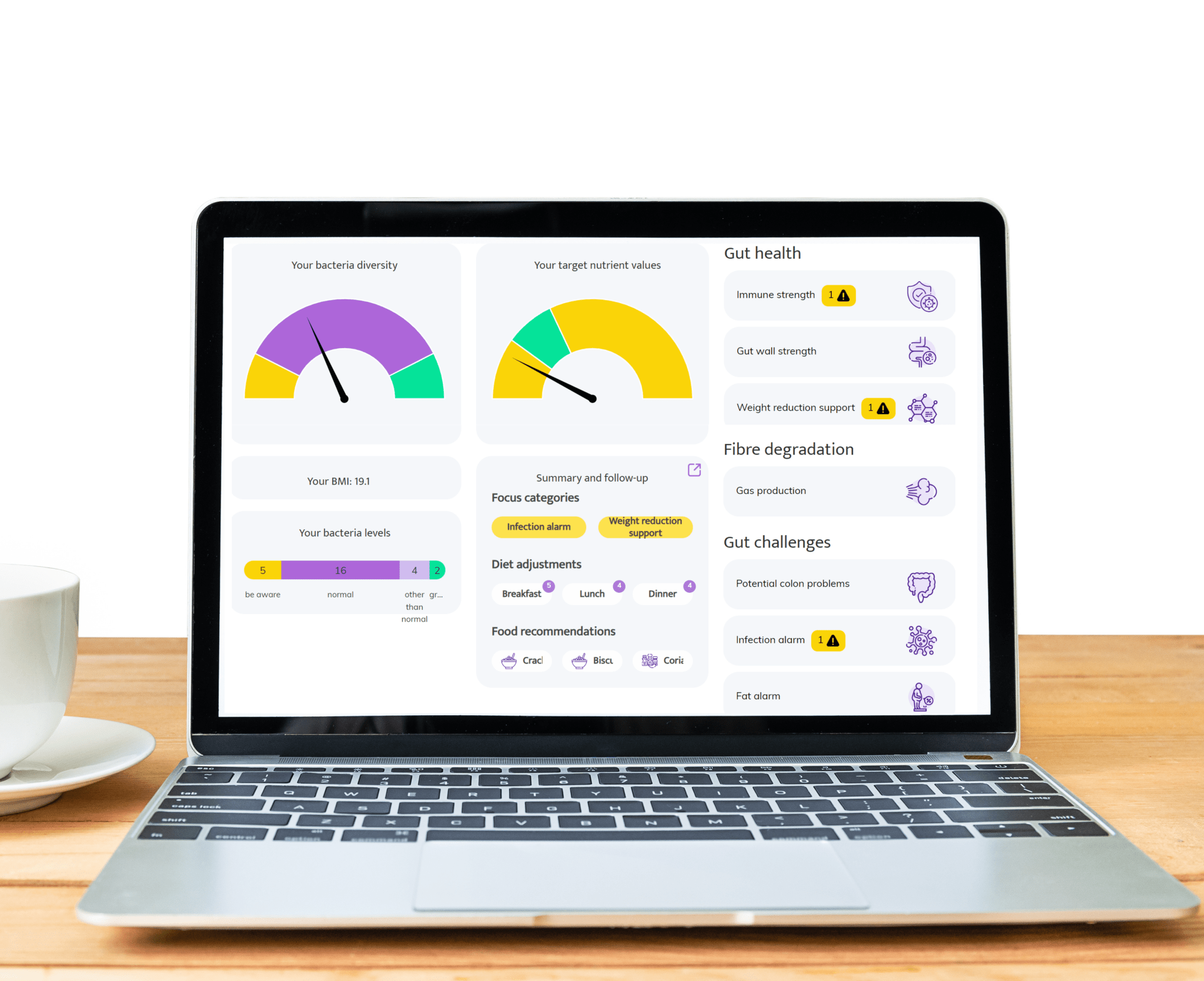
    Areas where InnerBuddies gut microbiome testing can make a significant impact

    • Digestive Health

      Gut discomfort like bloating, constipation, gas, or diarrhea often stems from an imbalance in gut bacteria. InnerBuddies analyzes the composition and diversity of your gut microbiome, identifying specific imbalances such as low fiber-fermenting bacteria or an overgrowth of gas-producing microbes.

      By pinpointing the root causes of digestive issues, InnerBuddies provides personalized, evidence-based recommendations to support digestion. Whether through targeted diet changes, prebiotics, or probiotics, users can take actionable steps to restore harmony and improve GI comfort.

    • Immune Function

      Over 80% of the immune system resides in the gut, and a diverse microbiome plays a key role in training immune cells to respond appropriately. InnerBuddies helps users assess their microbiome’s ability to support immune balance and resilience.

      Low microbial diversity or the presence of inflammatory bacteria may indicate a weakened defense system. InnerBuddies delivers tailored suggestions—like anti-inflammatory foods or immune-supportive nutrients—to help build a stronger, more balanced immune response.

    • Mental Health & Mood (Gut-Brain Axis)

      Emerging research shows that your microbiome influences neurotransmitters like serotonin, dopamine, and GABA, directly affecting mood and stress levels. InnerBuddies evaluates gut-brain axis markers to explore how your microbes may be impacting your mental well-being.

      With insight into bacterial strains associated with anxiety, depression, or stress resilience, InnerBuddies can guide personalized strategies to help improve emotional balance—ranging from fiber-rich diets to psychobiotic supplements.

    • Weight Management & Metabolism

      Certain gut bacteria can extract more energy from food and influence fat storage, insulin sensitivity, and appetite hormones. InnerBuddies assesses metabolic markers in your microbiome profile to help reveal how your gut may be impacting your weight.

      With tailored advice on foods that support healthy metabolism—such as resistant starches or polyphenol-rich plants—InnerBuddies empowers users to make microbially informed decisions that complement their health goals and weight management strategies.

    • Skin Health

      Skin conditions like acne, eczema, and rosacea are increasingly linked to gut imbalances and systemic inflammation. InnerBuddies analyzes your microbiome to detect patterns that may contribute to inflammatory skin responses.

      By supporting gut barrier integrity and reducing pro-inflammatory microbes, the recommendations from InnerBuddies can help improve skin from the inside out—encouraging a clearer complexion and fewer flare-ups through gut-skin axis awareness.

    • Personalized Nutrition

      Not all foods are beneficial for every gut. InnerBuddies delivers customized nutrition insights based on your unique microbial profile—identifying foods that nourish beneficial bacteria and flagging those that may trigger dysbiosis.

      This personalized approach helps users move beyond one-size-fits-all diets and embrace gut-friendly nutrition strategies. Whether you’re optimizing for energy, digestion, or longevity, InnerBuddies transforms your microbiome data into actionable meal plans.

    Hear from our satisfied customers!

    • "I would like to let you know how excited I am. We had been on the diet for about two months (my husband eats with us). We felt better with it, but how much better was really only noticed during the Christmas vacations when we had received a large Christmas package and didn't stick to the diet for a while. Well that did give motivation again, because what a difference in gastrointestinal symptoms but also energy in both of us!"

      - Manon, age 29 -

    • "Super help!!! I was already well on my way, but now I know for sure what I should and should not eat, drink. I have been struggling with stomach and intestines for so long, hope I can get rid of it now."

      - Petra, age 68 -

    • "I have read your comprehensive report and advice. Many thanks for that and very informative. Presented in this way, I can certainly move forward with it. Therefore no new questions for now. I will gladly take your suggestions to heart. And good luck with your important work."

      - Dirk, age 73 -