



innerbuddies gut microbiome testing

Gut Microbiome & Menopause: How Your Microbiota Impacts Symptoms

Menopause is a major hormonal transition, and it doesn’t just change your mood and hot flashes—it can also reshape your gut. As estrogen levels decline, the conditions that support a diverse, healthy gut microbiome can shift, affecting digestion, bowel habits, and even how your body regulates inflammation. In other words, your microbiota may become a key “bridge” between hormonal changes and the symptoms you feel.

Research suggests that gut bacteria help metabolize compounds related to inflammation and hormones, including estrogen metabolites. When microbial balance is disrupted (often called dysbiosis), it may contribute to bloating, irregular digestion, sleep disturbances, and mood changes—symptoms many people associate with menopause. It can also influence how your body handles bile acids and carbs, which may play a role in weight gain and changes in metabolic health during midlife.

The good news: you can support a more resilient microbiome. Targeted nutrition—especially fiber-rich foods that feed beneficial microbes, fermented foods for microbial diversity, and overall gut-friendly lifestyle habits—may help your gut ecosystem recover and function more effectively. By nourishing your microbiota, you may be better equipped to manage common menopause symptoms and support long-term wellness.

innerbuddies gut microbiome testing

Menopause

Menopause, driven by declining and fluctuating estrogen, reshapes the gut microbiome’s function—altering bile acid handling and short-chain fatty acid production like butyrate—and can shift gut signaling and barrier resilience. These microbial changes may contribute to common symptoms such as bloating, gas, constipation or diarrhea, weight changes, mood shifts, sleep disturbances, hot flashes, and joint discomfort, in part through heightened inflammatory signaling and metabolic shifts.

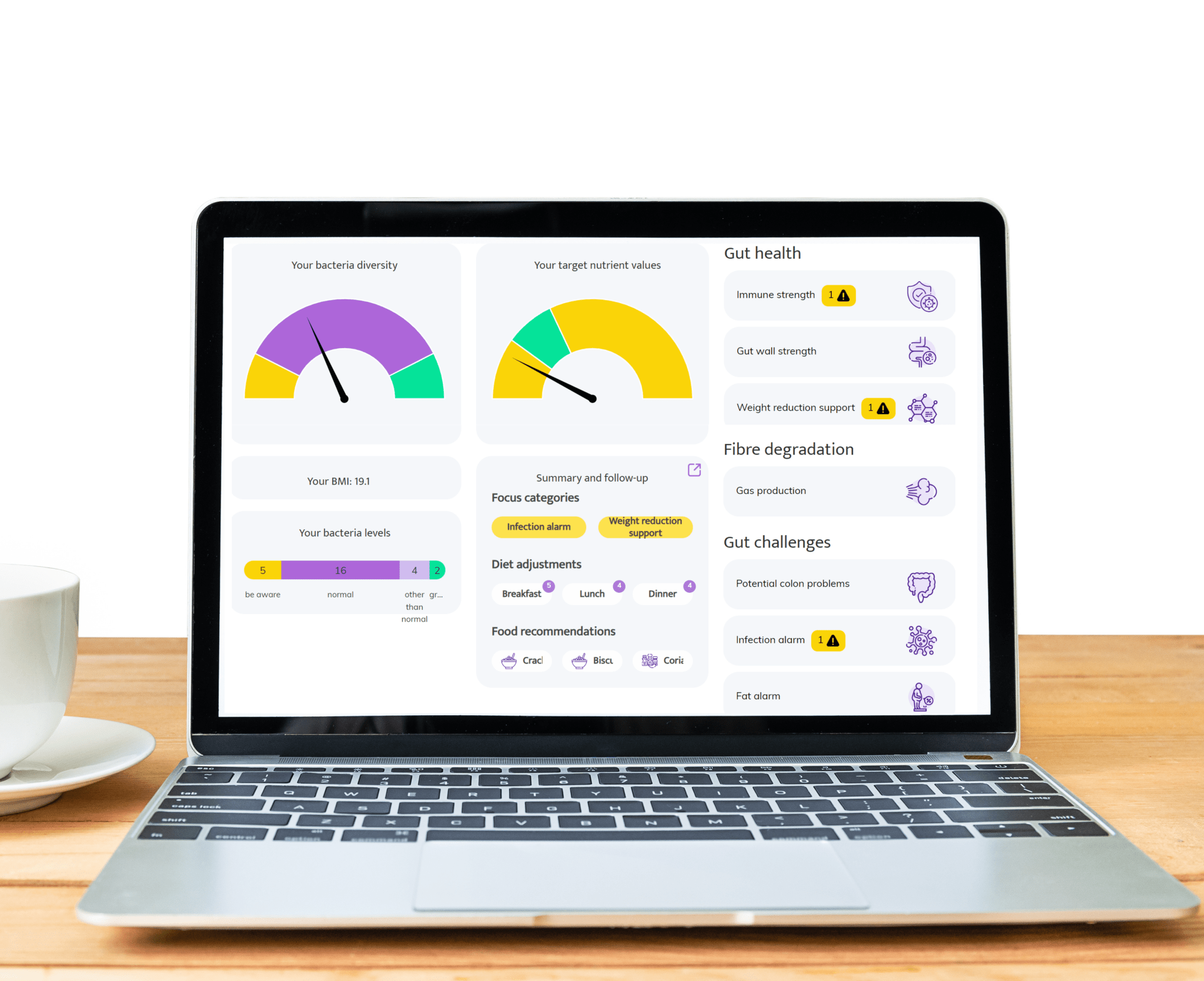
The microbiome is responsive to diet and lifestyle, so targeted strategies can help. A fiber-rich, minimally processed diet with adequate protein and healthy fats supports beneficial microbes and gut motility, with prebiotic sources like oats, legumes, onions, garlic, and asparagus recommended. Fermented foods may help when tolerated, and reducing highly processed foods can improve balance. Microbiome testing (e.g., InnerBuddies) can personalize recommendations by revealing diversity, key taxa patterns, and functional pathways such as bile acid metabolism and SCFA production to guide diet and probiotic choices.

Common patterns during the menopausal transition include reductions in beneficial taxa (e.g., Faecalibacterium prausnitzii, Akkermansia muciniphila, Bifidobacterium spp.) and increases in others (e.g., Bacteroides, Escherichia/Shigella), along with shifts in bile acid and SCFA-related pathways that influence inflammation, energy regulation, and gut motility. Testing helps connect symptoms to biology and tailor interventions to improve GI comfort, regularity, energy, sleep, and inflammatory balance. Menopause is a universal transition (roughly ages 45–55), with hot flashes/night sweats affecting about 50–80%, sleep problems 40–60%, GI complaints 30–60%, and noticeable weight changes around half of individuals.

  • Menopause-related estrogen decline reduces butyrate-producing microbes (Faecalibacterium prausnitzii, Roseburia spp., Eubacterium rectale), weakening the gut barrier and potentially increasing inflammation that drives bloating, mood shifts, sleep issues, and joint discomfort.
  • Loss of Akkermansia muciniphila and other barrier-supporting taxa lowers intestinal barrier resilience, which can amplify inflammation and affect energy, mood, and bowel patterns during menopause.
  • Declines in Bifidobacterium longum and Bifidobacterium adolescentis reduce early-stage fiber fermentation and SCFA support, with potential impacts on gut motility and digestive comfort during the transition.
  • Rising pro-inflammatory, dysbiosis-associated taxa (Bacteroides spp., Alistipes spp., Enterococcus, Escherichia/Shigella, Ruminococcus gnavus group, Bilophila wadsworthia, Streptococcus spp.) can heighten inflammatory signaling and contribute to GI symptoms and systemic effects.
  • Estrogen-driven changes in bile acid metabolism shift microbial communities and fermentation patterns, altering gut signaling and potentially driving constipation or diarrhea depending on the individual diet and motility.
  • Microbiome shifts influence energy metabolism and insulin sensitivity, linking gut microbial changes to weight distribution and appetite fluctuations seen in midlife menopause.
  • Microbiome testing and targeted lifestyle changes can help boost beneficial taxa (Faecalibacterium prausnitzii, Roseburia spp., Akkermansia muciniphila, Bifidobacterium spp.) through fiber-rich, minimally processed diets, diverse plants, and prebiotic/probiotic strategies to ease menopausal symptoms.
innerbuddies gut microbiome testing

Menopause-related wellness

During menopause, fluctuating estrogen levels can shift how your gut microbiome functions. While you may not feel your microbiota “changing,” alterations in gut composition and activity can influence symptoms you experience during this transition—such as bloating, changes in bowel habits, mood shifts, cravings, and gradual weight gain. Estrogen helps shape the gut environment (including how microbes process bile acids and produce short-chain fatty acids), so when estrogen declines, microbial balance and gut signaling can be affected.

Your microbiome also plays a role in inflammation and metabolic health, both of which can become more prominent around menopause. Certain gut microbes help maintain the intestinal barrier and support anti-inflammatory compounds, including short-chain fatty acids like butyrate. When the microbial ecosystem becomes less diverse or the gut barrier is less resilient, it may contribute to higher inflammatory signaling—potentially worsening joint discomfort, sleep quality, and overall symptom burden. Additionally, the gut microbiome influences how you metabolize bile acids and manage blood sugar regulation, which can affect energy levels and weight distribution.

The encouraging news is that the microbiome is responsive to diet and lifestyle. Supporting beneficial microbes through a fiber-rich, minimally processed pattern, adequate protein and healthy fats, and fermented foods (when tolerated) can help promote a more stable microbial community. Practical strategies—such as increasing prebiotic fibers (e.g., oats, legumes, onions, garlic, asparagus), adding diverse plant foods, managing constipation and dysbiosis triggers (like low fiber intake or frequent highly processed foods), and considering targeted probiotics/prebiotics—may help ease common menopause-related symptoms by improving gut function, reducing bloating, and supporting metabolic and inflammatory balance.

  • Bloating and increased gas
  • Changes in bowel habits (constipation or diarrhea)
  • Weight gain and harder-to-control appetite
  • Mood changes (irritability, anxiety, low mood)
  • Sleep disturbances (insomnia or poor sleep quality)
  • Hot flashes and night sweats
  • Increased inflammation and joint aches
  • Higher frequency of cravings and reduced energy
innerbuddies gut microbiome testing

Menopause

This is relevant for people going through menopause who notice new or changing gut symptoms—such as bloating, gas, constipation, or diarrhea—especially when these symptoms seem to fluctuate alongside hormonal shifts. If you’re also experiencing harder-to-control appetite, more frequent cravings, or gradual weight gain, it may be helpful to understand how declining estrogen can influence the gut microbiome’s balance, signaling, and metabolic activity.

It’s also relevant for those who feel their overall inflammation, energy, or comfort is changing during midlife, including joint aches, feeling “puffy,” or generally higher symptom burden. Because gut microbes help support the intestinal barrier and produce anti-inflammatory compounds (like short-chain fatty acids such as butyrate), microbiome changes may contribute to inflammatory signaling that can worsen discomfort, mood, and recovery.

This guidance is particularly useful for anyone dealing with mood shifts (irritability, anxiety, low mood) and sleep disturbances (insomnia or poor sleep quality) during the menopause transition. If you want practical, diet-and-lifestyle focused ways to support beneficial microbes—by increasing prebiotic fiber, eating a diverse range of minimally processed plant foods, supporting regular bowel habits, and considering fermented foods or targeted probiotics/prebiotics when tolerated—this approach is designed to help improve gut function and may indirectly support appetite regulation, metabolic health, and symptom relief.

Menopause is a universal transition, affecting essentially 100% of people with ovaries—typically occurring between ages ~45–55—so the “prevalence” of the condition itself is lifelong and population-wide rather than uncommon. While gut microbiome shifts are not usually noticed as a standalone change, research shows that the gut ecosystem differs between premenopausal and postmenopausal stages, largely because estrogen levels influence gut microbial activity, including bile-acid metabolism and short-chain fatty acid (SCFA) production. As a result, many people experience gastrointestinal and metabolic symptom patterns that are consistent with microbiome-driven signaling changes during menopause.

In terms of symptoms commonly linked with gut changes, bloating and increased gas, altered bowel habits (constipation and/or diarrhea), and appetite/weight changes are frequently reported around this transition. Surveys and clinical studies repeatedly find that a large majority of midlife and postmenopausal individuals report at least one bothersome GI or systemic symptom (often including bloating, constipation, or irregular stool patterns), with estimates commonly falling into the broad range of ~30–60% for GI complaints in midlife—though exact rates vary by study design, diet, comorbidities, and definitions of “bloating” or “constipation.” Weight gain and harder-to-control appetite are also very common, with many studies reporting that roughly half of women experience noticeable weight changes during the menopause transition.

Beyond digestion, menopause commonly includes mood and sleep disturbances, hot flashes/night sweats, and increased inflammation or joint discomfort—all of which can overlap with microbiome-related pathways (intestinal barrier function, immune signaling, and SCFA availability). Across population studies, hot flashes/night sweats affect approximately ~50–80% of people during the menopausal transition, while sleep problems are also widely reported, often by ~40–60%. Because the microbiome is responsive to diet and lifestyle, these symptom clusters are frequently described together rather than in isolation, suggesting that a substantial portion of the population may experience gut–inflammation–metabolic changes during menopause—even if the underlying microbial shifts are not directly perceived.

innerbuddies gut microbiome testing

Gut Microbiome & Menopause: How Your Microbiota Impacts Symptoms

During menopause, changing estrogen levels can alter the gut environment and shift how the microbiome functions, even if you don’t feel an immediate difference. Estrogen helps shape key gut processes such as bile acid handling and the production of beneficial short-chain fatty acids (like butyrate). As estrogen declines, microbial balance, gut signaling, and intestinal function may change, which can show up as bloating, increased gas, and shifts in bowel habits (constipation or diarrhea).

Menopause-associated microbiome changes can also influence inflammation and metabolic health, both of which may become more noticeable during this transition. A more diverse microbiome supports the intestinal barrier and contributes to anti-inflammatory compounds; when diversity drops or the gut barrier becomes less resilient, inflammatory signaling may rise. That can contribute to symptom patterns like joint aches, poorer sleep quality, reduced energy, and a higher overall “symptom burden,” alongside changes in weight distribution and metabolic regulation.

Because the microbiome is responsive to diet and lifestyle, targeted gut-support strategies may help ease common menopause-related symptoms. Emphasizing fiber-rich, minimally processed plant foods (prebiotic sources like oats, legumes, onions, garlic, and asparagus) and ensuring adequate protein and healthy fats can encourage beneficial microbes and improve gut motility. When tolerated, fermented foods may further support microbial diversity, while addressing constipation, limiting frequent highly processed foods, and considering targeted probiotics/prebiotics can help reduce bloating, support bowel regularity, and improve appetite control, cravings, and overall inflammatory balance.

innerbuddies gut microbiome testing

Gut Microbiome and Menopause

  • Estrogen decline reshapes the gut microbial ecosystem (altered microbial composition and diversity), which can change fermentation patterns and gut function even without immediate GI symptoms.
  • Changes in bile acid metabolism: lower estrogen can alter bile acid pool composition and signaling, which in turn affects microbial growth and influences intestinal motility, barrier integrity, and inflammation.
  • Reduced production of beneficial short-chain fatty acids (e.g., butyrate): estrogen helps support microbial pathways that generate SCFAs; lower SCFAs may weaken gut barrier function and increase GI symptoms like bloating or irregular stools.
  • Impaired intestinal barrier and altered gut signaling: menopause-associated microbiome shifts can increase intestinal permeability (“leaky gut”), promoting greater inflammatory signaling that may contribute to whole-body symptom burden (fatigue, aches, poorer sleep).
  • Greater inflammatory tone via immune-microbe crosstalk: altered microbiome interactions with the mucosal immune system can increase pro-inflammatory cytokine signaling, influencing metabolic and symptom-related changes during menopause.
  • Motility and bowel-habit changes: microbiome shifts affect neurotransmitter and metabolite signaling that regulates peristalsis, increasing risk of constipation or diarrhea depending on the microbial and dietary context.
  • Metabolic regulation and weight distribution: microbiome changes can influence glucose handling, insulin sensitivity, and energy harvest, which may make metabolic symptoms (cravings, weight gain patterns) more noticeable during the menopausal transition.

During menopause, declining and fluctuating estrogen can reshape the gut microbiome—even when GI symptoms aren’t immediately obvious. Estrogen helps regulate microbial ecosystems that support digestion and intestinal function, so lower estrogen can shift microbiome composition and reduce functional stability. These changes may alter fermentation patterns and gut signaling over time, setting the stage for symptoms like bloating, gas, and changes in bowel habits (constipation or diarrhea) as the gut environment becomes less resilient.

One key pathway is altered bile acid metabolism. Estrogen influences the bile acid pool and the signaling that bile acids send to the intestine, and that affects which microbes thrive. When bile acid composition changes, microbial growth patterns and their metabolic outputs shift, which can influence intestinal motility, barrier integrity, and inflammatory signaling. In parallel, reduced microbial production of short-chain fatty acids (SCFAs) such as butyrate can weaken the gut barrier and contribute to more noticeable GI discomfort and altered stool patterns.

Menopause-associated microbiome shifts can also affect immune activity and metabolic regulation. A less diverse microbiome and changes in mucosal immune-microbe crosstalk may increase pro-inflammatory signaling and raise “system-wide” symptom burden, contributing to fatigue, aches, and poorer sleep. Additionally, microbiome-driven metabolite changes can influence nerve and hormone pathways that regulate peristalsis, increasing risk of constipation or diarrhea depending on diet and microbial context—while altered gut-driven metabolic effects may influence insulin sensitivity and how the body manages weight distribution during the transition.

innerbuddies gut microbiome testing

Microbial patterns summary

During menopause, shifting and declining estrogen levels can gradually reshape the gut environment and change how the microbiome functions, even when GI symptoms aren’t immediate. Estrogen influences bile acid handling and the microbial ecosystem that supports fermentation processes, including the production of key short-chain fatty acids (SCFAs) such as butyrate. As estrogen fluctuates, microbial balance and “functional stability” may shift—changing which microbes are most competitive and how effectively the gut produces metabolites that support barrier integrity, digestion, and intestinal signaling. Over time, these functional changes can show up as altered stool patterns, bloating, and increased gas, with constipation or diarrhea depending on the person’s baseline diet, motility, and microbial context.

A common microbial pattern associated with menopause-related symptoms involves changes in bile acid metabolism and downstream signaling. When estrogen-driven changes alter the bile acid pool, the types of microbes that thrive can change as well, because bile acids act as both nutrients and signaling molecules for the intestinal lining. This can modify fermentation outputs and inflammatory tone, since SCFA availability (notably butyrate) and gut barrier resilience may decline when the microbiome’s capacity for beneficial metabolic pathways is reduced. With a less resilient barrier and altered microbial metabolite profiles, gut immune interactions can become more pro-inflammatory, which may contribute to an overall higher symptom burden alongside GI discomfort.

Menopause-associated microbiome shifts are also linked to broader immune and metabolic effects that can influence energy, sleep quality, and weight regulation. Reduced microbial diversity or altered mucosal immune–microbe crosstalk may increase pro-inflammatory signaling and weaken protective mechanisms that normally help maintain tolerance and barrier function. At the same time, microbiome-driven metabolite changes can affect gut motility and metabolic pathways such as insulin sensitivity, which may influence appetite regulation and how the body distributes fat during the transition. Collectively, these patterns reflect a microbiome that is more variable and less robust to diet and stressors, making targeted dietary and lifestyle support particularly important for restoring a more beneficial microbial balance.


Low beneficial taxa

  • Faecalibacterium prausnitzii
  • Roseburia spp.
  • Eubacterium rectale
  • Anaerostipes spp.
  • Bifidobacterium longum
  • Bifidobacterium adolescentis
  • Akkermansia muciniphila
  • Coprococcus spp.
  • Dialister spp.


Elevated / overrepresented taxa

  • Bacteroides spp.
  • Alistipes spp.
  • Enterococcus spp.
  • Ruminococcus gnavus group
  • Escherichia/Shigella
  • Streptococcus spp.
  • Megasphaera spp.
  • Bilophila wadsworthia


Functional pathways involved

  • Bile acid biosynthesis, transformation, and secondary bile acid metabolism
  • Short-chain fatty acid (SCFA) fermentation pathways (butyrate, acetate, propionate production)
  • Butyrate-associated gut barrier integrity and epithelial tight-junction signaling
  • Bacterial carbohydrate fermentation and energy harvest (diet-to-microbe metabolic pathways)
  • Microbiome–immune crosstalk via microbial metabolites (e.g., SCFAs) and modulation of inflammatory tone
  • Stress-responsive and mucin/host-glycan utilization pathways (mucus turnover and mucosal protection)
  • Tryptophan–indole metabolism and gut-brain signaling (indole/aryl hydrocarbon receptor-related pathways)
  • Microbial dysbiosis-associated endotoxin/lipopolysaccharide (LPS) handling and inflammatory stimulus pathways


Diversity note

During menopause, declining and fluctuating estrogen can gradually reshape the gut environment in ways that may not feel immediate. Estrogen helps support microbial functions tied to bile acid handling and the fermentation processes that produce beneficial short-chain fatty acids (SCFAs) like butyrate. As these microbial “inputs” and gut conditions shift, the overall ecosystem can become less stable, with changes in which microbes are most competitive and how effectively the community supports intestinal barrier maintenance.

A commonly seen diversity-related pattern in this transition is a shift away from a consistently resilient, diverse microbial profile. When microbial diversity dips or functional capacity becomes less robust, the gut barrier may be less able to resist inflammatory signaling, and the balance of metabolites that regulate immune tone can change. Altered bile acid pools can further influence which microbial species thrive, since bile acids function both as nutrients and signaling molecules that shape mucosal interactions and downstream gut signaling.

Over time, these microbiome and metabolite shifts can contribute to a higher “symptom burden,” often alongside changes in bowel habits, bloating, or gas. Reduced diversity and weaker microbial–immune crosstalk may make the intestinal lining more reactive to stressors, diet changes, or transient disruptions—affecting gut motility, inflammation, and metabolic signaling that can influence energy and weight regulation during menopause.


Title Journal Year Link
The gut microbiome and menopausal symptoms: associations in a population-based cohort The Journal of Clinical Endocrinology & Metabolism 2022 View →
Menopause is associated with changes in the gut microbiome composition and function: a systematic review and meta-analysis Frontiers in Microbiology 2021 View →
The gut microbiome is associated with menopausal status and biological age: evidence from a cross-sectional study Maturitas 2020 View →
Estrogen shapes the gut microbiota and impacts host metabolism during the menopause transition Nature Communications 2019 View →
Gut microbiome signatures in postmenopausal women with and without metabolic syndrome Gut Microbes 2018 View →
¿Qué relación tiene la menopausia con mi microbioma intestinal?
La menopausia reduce los niveles de estrógeno, lo que afecta el entorno intestinal y los microbios que viven allí. Los cambios pueden ocurrir incluso si no los notas y pueden influir en la digestión, la inflamación y el metabolismo.
¿Cómo podrían los cambios en el microbioma afectar la hinchazón, los gases o los hábitos intestinales durante la menopausia?
Los cambios en el microbioma pueden modificar la digestión y la producción de gas. Una menor diversidad o una barrera intestinal débil pueden aumentar señales inflamatorias y contribuir a síntomas como hinchazón, estreñimiento o diarrea.
¿Qué alimentos apoyan un intestino más saludable durante la menopausia?
Una dieta rica en fibra y mínimamente procesada con una variedad de plantas, proteína adecuada y grasas saludables apoya la función intestinal. Los alimentos fermentados pueden ayudar si se toleran.
¿Qué son los prebióticos y debería consumir más durante la menopausia?
Los prebióticos son fibras que alimentan a los microbios buenos. Fuentes: avena, legumbres, cebolla, ajo y espárragos. Aumenta gradualmente para evitar gases e hinchazón.
¿Los probióticos ayudan durante la menopausia y qué cepas podrían ser útiles?
Los probióticos pueden ayudar a algunas personas, pero las respuestas varían. Cepas comunes estudiadas incluyen Bifidobacterium y Lactobacillus; no hay una solución única. Consulta a un profesional de la salud para escoger un producto adecuado.
¿Un test del microbioma puede ayudarme a manejar los síntomas de la menopausia?
Las pruebas pueden ayudar a personalizar la dieta y el estilo de vida, pero no son un diagnóstico de menopausia. Usa los resultados para guiar tus decisiones y charla con un profesional de salud.
¿Qué son los ácidos biliares y los SCFA, y por qué importan en la menopausia?
Los ácidos biliares ayudan a digerir las grasas y influyen en los microbios; los SCFA como el butirato apoyan la barrera intestinal y la señalización antiinflamatoria. La disminución de estrógenos puede alterar estas vías.
¿Cómo puedo reducir la inflamación relacionada con el intestino durante la menopausia?
Enfócate en una dieta equilibrada, rica en fibra y diversidad de plantas, con grasas y proteínas saludables; limita los alimentos ultraprocesados; si se toleran, incluye alimentos fermentados; el ejercicio y un buen sueño ayudan.
¿Qué estrategias de estilo de vida pueden apoyar la salud intestinal durante la menopausia?
Prioriza una dieta rica en fibra, mínimamente procesada, con una variedad de plantas, proteínas y grasas saludables; maneja los desencadenantes de estreñimiento, mantente hidratada, haz ejercicio regularmente y evita los alimentos procesados.
¿Cuándo debería buscar atención médica por síntomas digestivos durante la menopausia?
Acude a un profesional si tienes síntomas graves y persistentes, sangre en las heces, pérdida de peso involuntaria o nuevos síntomas que aparecen o empeoran tras la menopausia.
¿Cuánto pueden durar los cambios intestinales relacionados con la menopausia y pueden mejorar?
La menopausia es una transición de varios años; los cambios intestinales pueden evolucionar con el tiempo y, a menudo, mejoran con la dieta y el estilo de vida. Si persisten, consulta a un médico.
¿Cómo interpretar los resultados de un test del microbioma?
El test muestra qué microbios hay y cuán diversa es la comunidad, además de algunos indicadores funcionales. Usa los resultados para adaptar la dieta y hábitos; no es un diagnóstico y debe discutirse con un profesional de la salud.

Hear from our satisfied customers!

  • "I would like to let you know how excited I am. We had been on the diet for about two months (my husband eats with us). We felt better with it, but how much better was really only noticed during the Christmas vacations when we had received a large Christmas package and didn't stick to the diet for a while. Well that did give motivation again, because what a difference in gastrointestinal symptoms but also energy in both of us!"

    - Manon, age 29 -

  • "Super help!!! I was already well on my way, but now I know for sure what I should and should not eat, drink. I have been struggling with stomach and intestines for so long, hope I can get rid of it now."

    - Petra, age 68 -

  • "I have read your comprehensive report and advice. Many thanks for that and very informative. Presented in this way, I can certainly move forward with it. Therefore no new questions for now. I will gladly take your suggestions to heart. And good luck with your important work."

    - Dirk, age 73 -