



innerbuddies gut microbiome testing

Gut Microbiome & Mucosal Barrier Health for Immune Wellness

Your gut microbiome isn’t just “digestion support”—it’s a core regulator of mucosal barrier health, the protective lining that helps keep irritants, toxins, and pathogens from crossing into the body. When beneficial microbes thrive, they help maintain tight junction integrity, support mucus production, and promote a balanced immune environment at the gut surface.

Mucosal barrier and immune wellness are tightly linked because the gut lining is where immune training and activation happen. Microbes help shape local immune responses by producing key metabolites (like short-chain fatty acids) that influence inflammatory signaling, strengthen barrier function, and encourage immune tolerance to harmless dietary and microbial signals. In other words, a resilient microbiome can help your immune system respond appropriately—stronger when it needs to be, calmer when it doesn’t.

The good news: you can support this gut-immune partnership through evidence-based habits. Consuming diverse, fiber-rich foods feeds beneficial bacteria and supports metabolite production, while lifestyle factors like sleep, stress management, and avoiding unnecessary antibiotics can help protect the microbial ecosystem. By prioritizing mucosal barrier health through microbiome support, you’re laying the groundwork for long-term immune wellness.

innerbuddies gut microbiome testing

Resumo rápido

Mucosal barrier health

Mucosal barrier health describes the gut’s protective lining, including the mucus layer, tight junctions, antimicrobial peptides, and gut-immune signaling. A strong barrier prevents pathogens from reaching deeper tissues while supporting efficient nutrient absorption. The gut microbiome supports this barrier by fermenting dietary fiber into short-chain fatty acids—especially butyrate—that nourish colonocytes, tighten cell junctions, regulate mucus production, and reduce inflammatory signaling. Microbes also help calibrate mucosal immunity, promoting regulatory T cells and tolerance to harmless antigens, contributing to balanced immune defense and lower inflammatory load.

When the barrier is compromised, often due to low fiber intake, ultra-processed diets, stress, poor sleep, excess alcohol, or unnecessary antibiotics, dysbiosis can occur. This shifts the microbial community away from fiber-fermenting, barrier-supportive taxa toward inflammatory and less beneficial organisms, weakening the mucus and tight junctions and increasing intestinal permeability. Common patterns include reduced beneficial taxa such as Faecalibacterium prausnitzii, Roseburia, Eubacterium rectale, Butyrivibrio, Anaerostipes, Bifidobacterium, Akkermansia muciniphila, and Ruminococcus bromii, with elevated taxa like Enterobacteriaceae, Staphylococcus, Streptococcus, Ruminococcus gnavus, certain Bacteroides fragilis strains, Fusobacterium, and Clostridium sensu stricto. Functional pathways for butyrate production and other fiber-fermenting processes may decline, while bile acid–related metabolism and inflammatory signaling can rise, contributing to symptoms such as bloating, irregular stools, mucus in stool, reflux, and food-triggered discomfort.

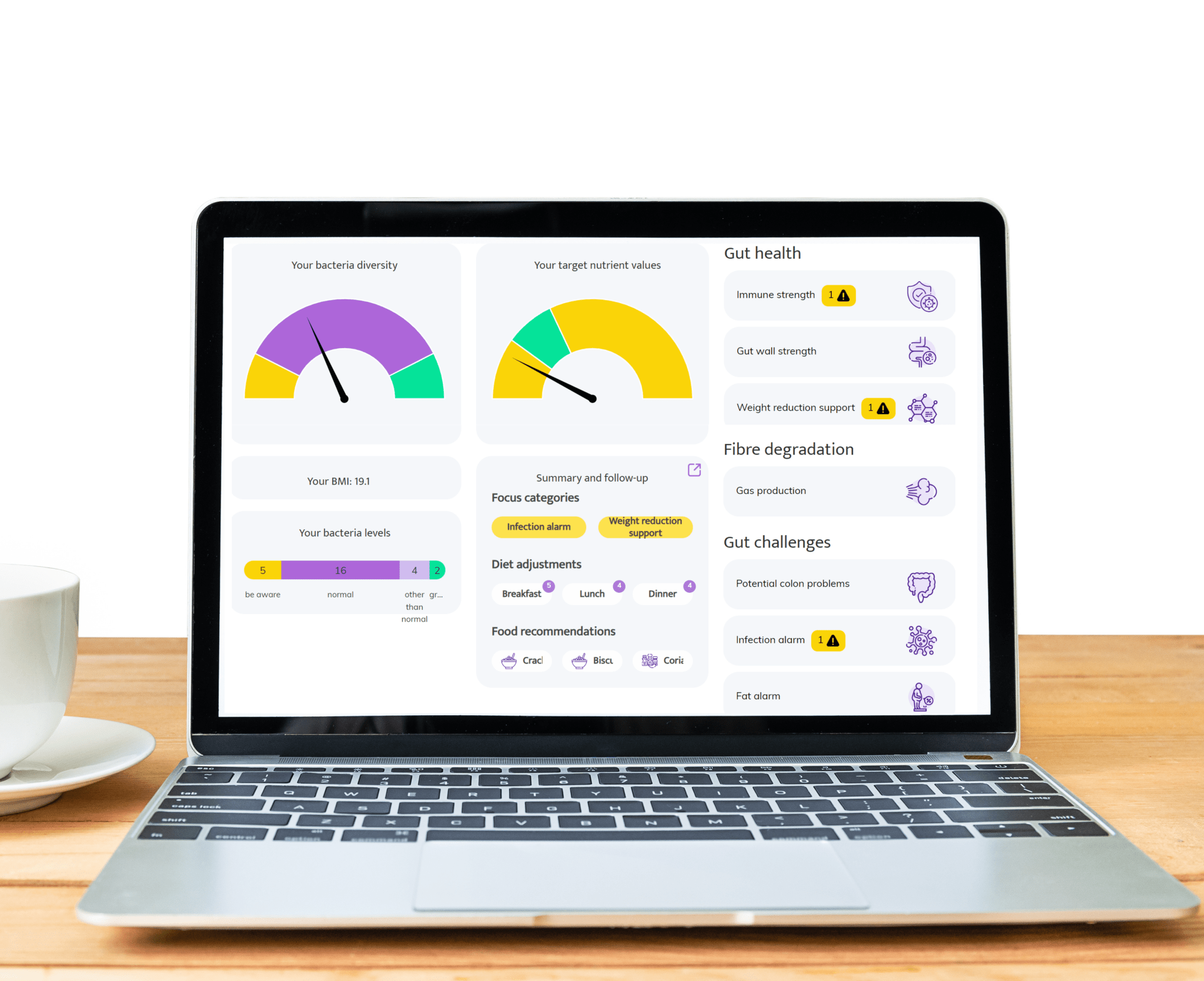
Testing the gut microbiome helps quantify barrier-related imbalances and tailor targeted steps to restore barrier resilience. Results can guide dietary choices—focusing on varied, high-fiber, plant-forward foods and specific prebiotic/probiotic strategies—and lifestyle changes to reduce stress, improve sleep, and limit unnecessary antibiotics. The InnerBuddies test, in particular, maps microbiome patterns to barrier health and connects them with common symptoms like bloating and mucus, supporting personalized actions to boost butyrate production and strengthen mucus quality and tight junction integrity. By aligning microbial signals with gut–immune interactions at the barrier, this approach aims to reduce inflammation and support broader gut–immune wellness.

innerbuddies gut microbiome testing

Principais conclusões

  1. Butyrate-producing bacteria (Faecalibacterium prausnitzii, Roseburia spp., Eubacterium rectale, Butyrivibrio spp., Anaerostipes spp., Ruminococcus bromii) are central; they nourish colonocytes, tighten tight junctions, boost mucus, and dampen inflammatory signaling to support barrier integrity.
  2. Akkermansia muciniphila and Bifidobacterium spp. help sustain the mucus layer and calibrate immune tolerance at the barrier, contributing to resilient barrier function.
  3. A diverse, fiber-fed microbiome that maintains SCFA pathways reduces permeability and promotes regulatory immune responses, notably regulatory T cells, lowering overall inflammatory load.
  4. Dysbiosis marked by reduced SCFA producers and overgrowth of potential pathobionts (Enterobacteriaceae, Staphylococcus, Streptococcus, Ruminococcus gnavus, toxigenic Bacteroides fragilis, Fusobacterium, Clostridium sensu stricto) tends to weaken barrier and increase mucosal inflammation.
  5. Microbial metabolism beyond SCFAs—such as bile acid transformations—also influences epithelial defense, motility, and barrier resilience, affecting symptom patterns like bloating and reflux.
  6. Testing helps identify microbial patterns affecting barrier health and guides personalized dietary and lifestyle changes (fiber type, prebiotics, probiotics) to restore barrier-supporting pathways.
  7. Interventions like high-fiber, plant-forward diets and stress management can support barrier integrity by promoting beneficial taxa and reducing inflammatory signaling that jeopardizes the barrier.
innerbuddies gut microbiome testing

Visão geral da condição

Immune wellness - Mucosal barrier health

Mucosal barrier health refers to the integrity of the gut’s protective lining—formed by a mucus layer, tight junctions between cells, antimicrobial peptides, and immune signaling in the gut-associated lymphoid tissue. When this barrier is strong, it helps prevent pathogens and inflammatory triggers from crossing into deeper tissues, while still allowing nutrients to be absorbed efficiently. A balanced gut microbiome is central to maintaining this balance, because it shapes both the composition of the mucosal environment and the immune responses that respond to it.

Your gut microbes support barrier function through several key mechanisms. Beneficial bacteria ferment dietary fibers to produce short-chain fatty acids (especially butyrate), which nourish colon cells and help tighten junctions, regulate mucus production, and reduce inflammatory signaling. Microbes also contribute to the development and calibration of immune cells (such as regulatory T cells), promoting tolerance to harmless antigens while supporting appropriate defense against real threats. In addition, a diverse microbiome can reinforce antimicrobial defenses—helping control overgrowth of harmful organisms that can erode the mucus layer and increase intestinal permeability.

Supporting mucosal barrier health typically comes down to evidence-based lifestyle and dietary habits that encourage a resilient microbial ecosystem. Prioritize high-fiber, plant-forward eating (varied sources of prebiotic fibers like inulin, FOS, resistant starch, legumes, and whole grains) to feed beneficial microbes and boost barrier-supportive metabolites. Consider factors that commonly disrupt the barrier—low fiber intake, ultra-processed diets, chronic stress, insufficient sleep, excessive alcohol, and unnecessary antibiotic exposure—since these can reduce microbial diversity and increase pro-inflammatory signaling. Over time, the goal is to foster a stable microbiome that strengthens the gut-immune interface, helping support immune wellness through better barrier integrity, improved immune regulation, and reduced inflammatory load.

innerbuddies gut microbiome testing

Sintomas comuns

  • Frequent bloating or abdominal discomfort
  • Irregular bowel movements (diarrhea, constipation, or alternating patterns)
  • Visible or recurring mucus in stool
  • Heartburn, reflux, or chronic indigestion
  • Food sensitivities or worsening symptoms after eating
  • Skin flare-ups (eczema, rashes) associated with gut disturbance
  • Increased frequency of infections or slower recovery when sick
  • Fatigue or low energy associated with GI symptoms
innerbuddies gut microbiome testing

Para quem é relevante?

Mucosal barrier health is especially relevant for people who experience recurring GI discomfort tied to compromised gut lining integrity—such as frequent bloating, abdominal pain, heartburn/reflux, chronic indigestion, or visible/recurring mucus in the stool. It can also apply to anyone noticing that symptoms reliably worsen after certain meals (including possible food sensitivities) or who has irregular bowel patterns like diarrhea, constipation, or alternating constipation/diarrhea.

It’s also a good fit for individuals concerned about gut-immune dysregulation and inflammation, particularly when gastrointestinal issues coincide with extra-intestinal symptoms. Examples include skin flare-ups (eczema, rashes) that seem to track with gut disturbance, fatigue or low energy alongside GI symptoms, and a pattern of slower recovery when sick or more frequent infections—signals that barrier function and immune signaling may be out of balance.

This topic is particularly relevant for those aiming to strengthen gut resilience through microbiome support—especially people who eat low-fiber diets, rely heavily on ultra-processed foods, or regularly encounter barrier-disrupting factors like chronic stress, insufficient sleep, excess alcohol, or unnecessary antibiotic use. If you’re working toward a stable, diverse gut microbiome and improved gut comfort and immune regulation, focusing on mucosal barrier health can be a practical framework for understanding how fiber-fermenting microbes, short-chain fatty acids (like butyrate), and tight-junction/immune tolerance mechanisms work together.

innerbuddies gut microbiome testing

Resumo da prevalência

There isn’t a single, universally accepted “diagnosis” or stand-alone prevalence metric for “mucosal barrier health,” because gut barrier integrity (mucus layer, tight junctions, antimicrobial peptides, and immune signaling) is typically measured indirectly and often discussed as a feature of multiple conditions. In practice, barrier dysfunction is frequently present in people who report persistent gut symptoms—such as bloating, altered bowel habits (diarrhea, constipation, or alternating patterns), and reflux/heartburn—yet population-wide studies usually report symptom-based outcomes (e.g., IBS, IBD, GERD) rather than directly quantifying barrier status.

Using symptom-based proxies, gut-related disorders are common worldwide. Irritable bowel syndrome (IBS), often linked with altered gut permeability and mucosal immune activation, affects roughly 8–12% of adults globally. Gastroesophageal reflux disease (GERD), characterized by chronic heartburn and reflux (symptoms that can overlap with mucosal irritation), affects about 10–20% of adults in many regions, with higher rates in some countries and subgroups. Inflammatory bowel diseases (IBD)—Crohn’s disease and ulcerative colitis—are less common but still clinically significant, with a global prevalence around ~0.1–0.3% depending on geography; these conditions can involve clear disruptions to the intestinal lining and mucus barrier.

Skin flares, mucus in stool, food-triggered symptom worsening, and recurrent infections are not consistently tracked as separate “barrier health” prevalence outcomes, but they cluster in people with gastrointestinal dysregulation and immune-mucosal cross-talk. For example, eczema (a common inflammatory skin condition) affects ~10–20% of children and ~1–10% of adults in different populations, and a portion of these individuals report GI symptoms—suggesting an overlap between gut-immune disturbance and skin inflammation. Overall, while exact “mucosal barrier health” prevalence is not routinely reported, the high prevalence of related GI symptom syndromes (IBS ~8–12%, GERD ~10–20%, IBD ~0.1–0.3%) indicates that barrier-compromising patterns are common across the broader population.

innerbuddies gut microbiome testing

Gut Microbiome & Mucosal Barrier Health: Immune Wellness Explained

Mucosal barrier health is tightly connected to the gut microbiome because microbes help maintain the gut’s protective lining, including the mucus layer, tight junctions, antimicrobial peptides, and immune signaling. A healthy, diverse microbiome can strengthen the barrier by fermenting dietary fibers into short-chain fatty acids—especially butyrate—which nourish colon cells and support tighter cell-to-cell connections. This reduces inflammatory signaling and helps prevent harmful microbes, toxins, or irritants from crossing into deeper tissues.

Gut microbes also influence the immune system that sits at the barrier, helping calibrate tolerance and defense. Beneficial bacteria help promote regulatory T cells and other immune pathways that keep reactions to harmless food components in check, while still supporting appropriate responses to real threats. When the microbiome is disrupted—through low fiber intake, ultra-processed foods, chronic stress, poor sleep, excessive alcohol, or unnecessary antibiotics—barrier function can weaken, leading to increased intestinal permeability (often described as “leaky gut”) and a higher inflammatory load.

This microbiome–barrier disruption can show up as common GI symptoms such as bloating, irregular bowel movements, and recurring mucus in the stool. Many people also experience reflux or heartburn, food sensitivity–like reactions, or worsening symptoms after eating when barrier integrity is compromised. Because the gut barrier and immune signaling interact with whole-body inflammation, gut-related disturbances may also correlate with skin flare-ups (like eczema) and increased susceptibility to infections, alongside fatigue that accompanies ongoing GI imbalance.

innerbuddies gut microbiome testing

Mecanismos envolvidos

  • Microbial fermentation of dietary fiber into short-chain fatty acids (especially butyrate) that nourish colonocytes and strengthen mucus production and epithelial tight junctions
  • Regulation of intestinal epithelial tight junction integrity (e.g., supporting claudins/occludins) to reduce paracellular permeability and lower “leaky gut” risk
  • Induction and modulation of antimicrobial peptides and mucus-layer properties that help keep pathogens/toxins from crossing the barrier
  • Immune calibration at the mucosa: beneficial microbes promote regulatory T cells and tolerogenic signaling, limiting excessive inflammation while maintaining defense against real threats
  • Competitive exclusion and ecological balance: a diverse microbiome suppresses overgrowth of pathobionts that can damage the barrier or produce barrier-disrupting metabolites/toxins
  • Influence on inflammatory signaling pathways (e.g., NF-κB–mediated cytokine tone) that affect barrier function and drive persistent mucosal irritation when dysbiosis occurs
  • Metabolite signaling beyond SCFAs (e.g., bile acid transformations and other microbial metabolites) that shape epithelial defense, motility, and barrier resilience
innerbuddies gut microbiome testing

Explicação dos mecanismos

Mucosal barrier health is closely linked to the gut microbiome because resident microbes help maintain the gut’s protective lining. One of the key ways this happens is through fermentation of dietary fibers into short-chain fatty acids (especially butyrate), which nourish colon cells (colonocytes) and support stronger mucus production and healthier epithelial structure. Adequate SCFAs also help tighten cell-to-cell connections by supporting intestinal tight junction proteins (such as claudins and occludins), which reduces paracellular “leakiness” and lowers the chance that irritants or toxins can pass into deeper tissues.

Gut microbes also regulate the barrier’s chemical defenses and immune tone. They help shape the mucus layer’s properties and support the production of antimicrobial peptides, which keep pathogens and harmful compounds from reaching or crossing the epithelium. At the same time, microbial signals “calibrate” the mucosal immune system—encouraging regulatory T cell pathways that promote tolerance to harmless dietary antigens while still preserving effective responses against real threats. When the microbiome is disrupted (for example by low fiber intake, ultra-processed foods, chronic stress, poor sleep, excessive alcohol, or unnecessary antibiotics), this balance can shift toward inflammation and weakened barrier function.

Dysbiosis can further promote barrier compromise through ecological imbalance and altered metabolite signaling. A diverse community helps suppress overgrowth of pathobionts that may damage the barrier or produce metabolites that increase irritation. In parallel, microbial dysregulation can increase inflammatory signaling (including pathways like NF-κB), sustaining mucosal inflammation and barrier dysfunction. Beyond SCFAs, microbiome-driven changes in other metabolites—such as microbial transformations of bile acids—can influence epithelial defense, motility, and overall barrier resilience, contributing to symptoms like bloating, irregular stools, mucus in stool, and sometimes reflux or food-triggered discomfort.

innerbuddies gut microbiome testing

Resumo dos padrões microbianos

In people with mucosal barrier health concerns, a common pattern is reduced gut microbial diversity and a shift away from fiber-fermenting, barrier-supportive taxa. This often means fewer organisms that generate short-chain fatty acids—especially butyrate—which are crucial for nourishing colon cells and maintaining mucus thickness and quality. With fewer SCFA-producing microbes, colonocytes may receive less metabolic support, tight junction structure can become less robust, and the overall chemical and physical defenses of the epithelium may weaken, allowing irritants and inflammatory signals to have a greater impact.

Another typical feature is an imbalance between commensal organisms that help calibrate immune tolerance and pathobionts that can promote inflammation under stress or dietary strain. When the microbiome is disrupted—often by low fiber intake, ultra-processed foods, chronic stress, poor sleep, excess alcohol, or unnecessary antibiotics—beneficial immune-regulating signals may fall, while inflammatory pathways can become more dominant. This can coincide with increased mucosal immune activation and altered mucus layer properties, resulting in symptoms such as bloating, irregular bowel habits, or recurrent mucus, as the barrier becomes less able to prevent luminal stimuli from interacting with deeper tissue.

Many cases also show microbial patterns linked to metabolite disruption beyond SCFAs, including changes in bile acid transformations and other microbial byproducts that influence epithelial defense, motility, and barrier resilience. Dysbiosis can encourage overgrowth of organisms better adapted to inflamed or nutrient-poor environments, further amplifying barrier stress through inflammatory signaling (for example, through NF-κB–associated cascades). Together, these microbiome-driven shifts can increase intestinal permeability and inflammatory load, which may manifest as food-triggered discomfort, reflux or heartburn in some individuals, and an overall tendency toward immune-related flare-ups and susceptibility to irritant-driven or infectious symptoms.

innerbuddies gut microbiome testing

Baixos níveis de táxons benéficos

  • Faecalibacterium prausnitzii
  • Roseburia spp.
  • Eubacterium rectale
  • Butyrivibrio spp.
  • Anaerostipes spp.
  • Bifidobacterium spp.
  • Akkermansia muciniphila
  • Ruminococcus bromii
innerbuddies gut microbiome testing

Táxons elevados / sobre-representados

  • Enterobacteriaceae (e.g., Escherichia/Shigella)
  • Staphylococcus spp.
  • Streptococcus spp.
  • Ruminococcus gnavus (incl. Gnavus group)
  • Bacteroides fragilis group (enterotoxigenic strains, Tox+ context)
  • Fusobacterium spp.
  • Clostridium sensu stricto (C. perfringens group, where present)
innerbuddies gut microbiome testing

Vias funcionais envolvidas

  • Butyrate (SCFA) biosynthesis and acetyl-CoA fermentation pathways in key fiber-fermenting anaerobes (e.g., Faecalibacterium/Roseburia/Eubacterium/Ruminococcus)
  • Dietary fiber degradation and utilization (glycan fermentation, cross-feeding networks that support mucus and SCFA production)
  • Mucus layer interaction and mucin utilization pathways (including Akkermansia-associated mucin foraging and the balance between protective vs disruptive mucus dynamics)
  • Bile acid transformation pathways (primary-to-secondary bile acid conversion, bile acid signaling effects on epithelial integrity and inflammation)
  • Innate immune activation and epithelial barrier stress pathways (e.g., NF-κB–linked pro-inflammatory signaling induced by dysbiosis and microbial products)
  • Enterotoxin- and virulence-associated fermentation/toxin pathways from barrier-associated pathobionts (e.g., Enterobacteriaceae, tox+ Bacteroides fragilis strains)
  • Protein fermentation and ammonia/branched-chain metabolite generation pathways associated with low fiber intake and worsened barrier metabolites
innerbuddies gut microbiome testing

Nota sobre a diversidade

Mucosal barrier health concerns are commonly associated with reduced gut microbial diversity, along with a shift away from fiber-fermenting, barrier-supportive communities. When diversity declines, the population of short-chain fatty acid–producing microbes (especially those that generate butyrate) tends to fall, which can reduce the metabolic support that colon cells need to maintain a healthy mucus layer, reinforce tight junctions, and sustain effective epithelial defense. The result is often a barrier that is less resilient to luminal irritants and inflammatory signaling.

Alongside lower diversity, dysbiosis in this context often reflects an imbalance between microbes that help regulate immune tolerance and those that are more likely to promote inflammation when the ecosystem is stressed. A less varied microbiome can lead to weaker immune “calming” signals (including pathways that support regulatory immune responses), while inflammatory pathways become relatively more active. This immune–microbial imbalance can alter mucus characteristics and increase mucosal reactivity, contributing to symptoms such as bloating, irregular bowel habits, or recurring mucus.

Finally, lower diversity is frequently accompanied by broader metabolite disruption beyond SCFAs, including changes in microbial byproducts that influence epithelial integrity and barrier function. As the ecosystem shifts toward organisms better adapted to inflamed or nutrient-poor conditions, luminal compounds may interact more easily with deeper tissue, amplifying barrier stress and increasing intestinal permeability. Over time, these diversity- and metabolite-related changes can create a cycle of inflammation and impaired barrier defense that worsens GI discomfort and immune sensitivity.


Abaixo encontra-se uma lista das publicações médicas mais importantes relacionadas com esta condição específica.

Title Journal Year Link
Microbiome and mucosal barrier function Nature Reviews Microbiology 2016
Microbiota-induced intestinal maturation of natural killer cells is dependent on the aryl hydrocarbon receptor Science 2016
Indole modulates mucosal barrier function through activation of the aryl hydrocarbon receptor Cell Host & Microbe 2014
The gut microbiome and intestinal barrier function Journal of Experimental Medicine 2009
Akkermansia muciniphila supports gut barrier function and controls mucus degradation Gut 2008
What is mucosal barrier health and why does it matter?
It refers to the integrity of the gut lining and its defenses. A healthy barrier helps prevent irritants from crossing into deeper tissues and supports nutrient absorption, which can influence inflammation and immune balance.
How do gut microbes support barrier health?
Beneficial bacteria ferment fiber into short-chain fatty acids like butyrate, nourish colon cells, tighten cell connections, regulate mucus, and help calibrate immune responses.
What foods support barrier health?
Emphasize a high-fiber, plant-forward diet with varied prebiotics (inulin, FOS, resistant starch) from sources like legumes and whole grains. Limit ultra-processed foods.
Which lifestyle factors can harm the barrier?
Low fiber intake, ultra-processed foods, chronic stress, poor sleep, excess alcohol, and unnecessary antibiotic use can disrupt the microbiome and barrier.
What symptoms might indicate barrier health issues?
Bloating, irregular bowel movements, mucus in stool, reflux, new or worsening food sensitivities, skin flare-ups, more frequent infections, or fatigue.
Is mucosal barrier health a standalone diagnosis?
No. Barrier health is typically discussed in relation to conditions like IBS, GERD, and IBD, and is inferred from symptoms and biomarkers rather than a single test.
What is butyrate and why is it important?
Butyrate is a short-chain fatty acid produced by fiber-fermenting bacteria; it nourishes colon cells and helps strengthen tight junctions, reducing gut permeability.
Should I test my gut microbiome to assess barrier health?
Microbiome testing can reveal patterns related to barrier function, but results are informational and should be interpreted with a clinician.
Which microbes are good for barrier health and which are problematic?
Beneficial: Faecalibacterium prausnitzii, Bifidobacterium, Akkermansia muciniphila, and others. Elevated potentially problematic groups include Enterobacteriaceae, Streptococcus, Fusobacterium, and some Bacteroides.
Can probiotics help with barrier health?
Some probiotic strains may support barrier function, but effects are strain-specific and not guaranteed. Discuss with a clinician before starting.
What can InnerBuddies tell me about barrier health?
It maps microbiome patterns to inform potential diet and lifestyle adjustments related to barrier function. It is informational, not a diagnostic tool.
If I have GI symptoms, when should I see a doctor?
If symptoms persist, are severe, or worsen, especially with blood in stool, unintended weight loss, or significant changes in function.
How is barrier health linked to skin or infections?
Barrier-related inflammation can influence skin conditions and immune responses, potentially affecting infection risk and recovery.
Are there specific fiber types that help more?
A variety of prebiotic fibers supports a broad range of beneficial microbes; introduce fiber gradually to avoid discomfort.
Is 'leaky gut' a real medical problem?
The term is widely used, and permeability changes are seen in various GI conditions. It is a simplification and not a standalone diagnosis.
How long does it take to see barrier-related improvements?
Responses vary, but consistent fiber intake and healthy lifestyle changes may show gradual improvement over weeks to months.
Can antibiotics permanently harm barrier health?
Antibiotics can disrupt the microbiome balance. Minimize unnecessary use and support recovery with fiber-rich foods and a healthy lifestyle.
How do bile acids relate to barrier health?
Microbes transform bile acids, which can influence barrier defenses, motility, and inflammatory signaling.
How often should testing be done for barrier health?
Testing is generally considered when symptoms persist or to guide a personalized plan; timing should be discussed with a clinician.

Confira o que os nossos clientes satisfeitos têm a dizer!

  • "Gostaria de partilhar a minha alegria. Estávamos a seguir a dieta há cerca de dois meses (o meu marido come connosco). Sentimo-nos melhor, mas só notámos a diferença de verdade durante as férias de Natal, quando recebemos um grande presente e, durante algum tempo, não seguimos a dieta. Isso motivou-nos novamente, pois notámos uma grande diferença nos sintomas gastrointestinais e também na energia de ambos!"

    - Manon, 29 anos -

  • "Uma ajuda incrível!!! Já estava bem encaminhada, mas agora sei com certeza o que devo e o que não devo comer e beber. Há muito tempo que sofro de problemas de estômago e intestinais, espero ver-me livre deles agora." - Petra, 68 anos

  • "Li o seu relatório completo e as suas recomendações. Muito obrigado, foram muito informativas. Apresentado desta forma, poderei certamente avançar com o projeto. Portanto, sem novas perguntas por enquanto. Terei em conta as suas sugestões com prazer. E boa sorte com o seu importante trabalho." - Dirk, 73 anos