



innerbuddies gut microbiome testing

Lean PCOS and Gut Microbiome: How Your Microbiome Impacts Symptoms

If you have lean PCOS, you may not fit the classic picture of PCOS, but you can still experience similar drivers—hormone imbalance, cravings, bloating, and difficulty with metabolic regulation. One of the most influential (and often overlooked) pieces of the puzzle is your gut microbiome: the trillions of microbes in your digestive tract that help produce metabolites your body uses to manage inflammation, insulin sensitivity, and appetite.

Gut bacteria can affect PCOS symptoms through multiple pathways. When microbiome diversity is lower or the balance of “helpful” vs. “less helpful” microbes is off, it can contribute to gut barrier dysfunction and increased inflammation—processes that may amplify insulin resistance and make blood sugar swings more likely. These shifts can also influence how your body digests and signals about food, which can show up as stronger cravings, more frequent bloating, and energy dips—common experiences even in lean PCOS.

The good news: your microbiome is responsive. By focusing on gut-supportive nutrition—especially adequate fiber diversity, fermented foods (if tolerated), and eating patterns that reduce excessive added sugar—you can help support healthier microbial balance and improve the metabolic and inflammatory signals that underlie lean PCOS. In the sections ahead, we’ll connect the science to practical, symptom-focused changes you can start with.

innerbuddies gut microbiome testing

Lean PCOS

Lean PCOS is a form of polycystic ovary syndrome in people with normal or low body weight, sharing core features such as irregular ovulation, androgen symptoms, and insulin dysregulation with classic PCOS. Importantly, lean PCOS can involve gut-related inflammation and GI symptoms even without excess fat, making the gut a key piece of the puzzle. Prevalence estimates place lean PCOS as a meaningful subset of PCOS cases, often described as roughly 20–50% of PCOS populations, with millions affected worldwide; common complaints include bloating, irregular bowel movements, cravings, and post-meal blood sugar fluctuations.

Lean PCOS and the gut: Evidence indicates that gut microbiome composition and function influence insulin sensitivity, inflammation, bile acid metabolism, and appetite signaling—factors that connect to fatigue and postprandial energy dips. In lean PCOS, reduced microbial diversity and imbalanced bacterial patterns can lower short-chain fatty acid production and weaken gut barrier integrity, contributing to low-grade inflammation and metabolic vulnerability despite a normal body weight.

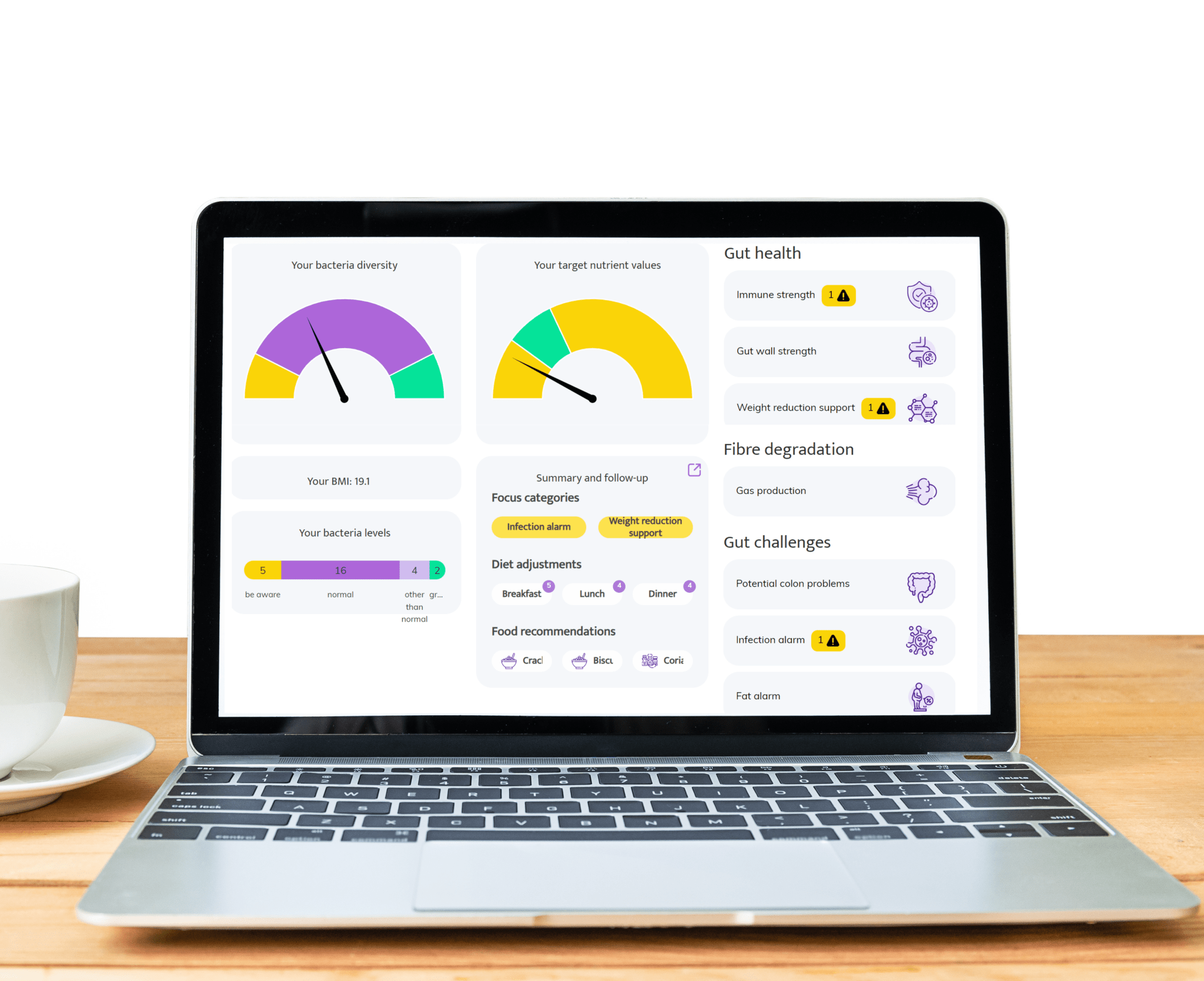
Testing and actionable steps: Targeted gut-friendly strategies—diverse dietary fiber, prebiotics, and cautious introduction of fermented foods—may support a healthier microbiome and improve GI symptoms and glucose regulation. Microbiome testing, such as what InnerBuddies offers, can identify individual dysbiosis patterns, guide personalized fiber and carbohydrate strategies, and help tailor steps to reduce bloating, cravings, and post-meal disturbances in lean PCOS.

  • Mechanism 1: Lean PCOS gut dysbiosis with reduced SCFA-producing bacteria (Faecalibacterium prausnitzii, Roseburia spp., Eubacterium rectale, Butyrivibrio, Coprococcus comes, Anaerostipes) and higher pro-inflammatory taxa (Ruminococcus gnavus, Escherichia/Shigella, Proteobacteria) lowers SCFA availability and can worsen insulin sensitivity and post-meal glucose spikes.
  • Mechanism 2: Decreased butyrate and other SCFAs compromises gut barrier integrity and shifts inflammatory signaling, contributing to fatigue and metabolic vulnerability; key butyrate-makers include Faecalibacterium prausnitzii, Butyrivibrio, Roseburia, and Eubacterium rectale.
  • Mechanism 3: Dysbiosis alters bile acid metabolism and signaling (FXR/TGR5), influencing insulin sensitivity and energy balance; dysbiotic patterns involve elevated or misbalanced taxa such as Bacteroides spp., Parabacteroides, and Escherichia/Shigella.
  • Mechanism 4: Gut barrier disruption and immune activation (leaky gut) from dysbiosis promotes low-grade inflammation and GI symptoms, commonly linked to higher Proteobacteria and lower SCFA-producers.
  • Mechanism 5: Microbiome-driven changes in post-meal carbohydrate handling and gut-brain signaling affect appetite, cravings, and energy dips via SCFA- and tryptophan-related metabolites; favorable taxa include Akkermansia muciniphila, Faecalibacterium prausnitzii, Bifidobacterium spp., and Roseburia.
  • Mechanism 6: Microbiome testing can guide personalized dietary strategies to boost beneficial taxa (e.g., Faecalibacterium prausnitzii, Akkermansia muciniphila, Roseburia, Bifidobacterium) and tailor prebiotic fiber choices to improve GI symptoms and glycemic control.
  • Mechanism 7: Practical fiber-forward patterns (diverse non-starchy plants and resistant starch sources) can promote SCFA-producing microbes and improve gut–metabolic–immune balance in lean PCOS when paired with medical care.
innerbuddies gut microbiome testing

PCOS

Lean PCOS is a form of polycystic ovary syndrome where individuals often have a lower body weight but still experience the hallmark hormonal and metabolic features of PCOS—such as irregular or absent ovulation, androgen-related symptoms (like acne or hair changes), and a higher likelihood of insulin dysregulation. Importantly, even without excess body fat, lean PCOS can still involve low-grade inflammation and metabolic vulnerability, which makes the gut a compelling piece of the puzzle.

A growing body of research suggests that gut microbiome composition and function can influence PCOS-related symptoms. The gut microbiome helps regulate insulin sensitivity, inflammation, bile acid metabolism, and appetite-related signaling—all of which can connect to common complaints like bloating, cravings, and post-meal energy dips. When the microbiome is less diverse or dominated by less favorable bacterial patterns, it may contribute to increased gut permeability (“leaky gut” effects), higher inflammatory signaling, and altered production of short-chain fatty acids (SCFAs) that support metabolic health and gut barrier integrity.

For lean PCOS, supporting a healthier microbiome often means focusing on fiber diversity, gut-friendly carbohydrates (prebiotics), fermented foods (where tolerated), and metabolic-supporting eating patterns that stabilize blood sugar. Simple habits—such as gradually increasing non-starchy plants, choosing whole-food sources of resistant starch (like cooled potatoes or cooked-and-cooled grains), managing added sugars, and improving meal timing consistency—can help nurture beneficial microbes. While microbiome science is still evolving, these gut-targeted strategies may help reduce bloating, improve insulin sensitivity, and support overall symptom improvement when paired with individualized medical care.

  • Bloating and abdominal discomfort
  • Irregular bowel movements (constipation or diarrhea)
  • Insulin resistance and post-meal blood sugar spikes
  • Sugar cravings and difficulty managing appetite
  • Low-grade inflammation (often reflected in fatigue and feeling “inflamed”)
  • Dysbiosis-related skin issues (acne or flares)
innerbuddies gut microbiome testing

Lean PCOS

Lean PCOS support is especially relevant for people who have PCOS symptoms despite being at a healthy or lower body weight, and who notice that their metabolic regulation doesn’t feel “normal” (e.g., insulin resistance, fatigue, or feeling inflamed). If you’ve experienced irregular or absent ovulation along with androgen-related symptoms like acne or hair changes, and you suspect your gut health may be contributing, microbiome-focused nutrition may be a useful complementary angle to discuss with your clinician.

It’s also a strong fit for individuals whose most bothersome day-to-day issues include gut complaints linked to dysbiosis—such as bloating, abdominal discomfort, constipation, or alternating bowel habits. When these symptoms come with post-meal energy dips, sugar cravings, or noticeable blood-sugar spikes after eating, it can point to a gut–metabolism connection where microbiome function influences inflammation, appetite signaling, and insulin sensitivity.

This approach is particularly relevant if you want a food-first strategy that supports microbial diversity and gut barrier integrity using fiber diversity, prebiotic-rich carbohydrates, and (where tolerated) fermented foods. It may resonate if you’re trying to stabilize blood sugar, reduce cravings, improve digestion regularity, and calm low-grade inflammation—while acknowledging that lean PCOS can still involve metabolic vulnerability even without excess body fat.

Lean PCOS is less commonly discussed than classic “obese” PCOS, but it represents a meaningful subset of people with PCOS rather than a rare outlier. Overall, PCOS affects roughly 6–12% of people of reproductive age worldwide, though estimates vary by study methods and diagnostic criteria. Within that broader PCOS population, the proportion who meet criteria for lean PCOS (i.e., normal or lower BMI) varies across cohorts, often reported in the range of ~20–50% depending on geography and cutoffs used.

Because lean PCOS can still involve insulin dysregulation and low-grade inflammation even without excess body fat, it frequently presents with gut-related symptoms that overlap with microbiome-driven patterns. In real-world symptom descriptions and clinical studies of PCOS, rates of gastrointestinal complaints such as bloating, constipation, or irregular bowel habits are commonly reported as substantial, though precise prevalence varies widely by whether studies use questionnaires vs. clinical diagnosis. Similarly, post-meal glucose dysregulation, appetite-related symptoms (including cravings), and inflammatory “flare” experiences are frequent contributors to overall symptom burden in PCOS populations, which may be more noticeable in lean individuals who are otherwise not explained by weight alone.

Taken together, the prevalence signal is that lean PCOS is likely a sizable fraction of the ~6–12% global PCOS prevalence—commonly estimated at about one-quarter to nearly one-half of PCOS cases—meaning millions may experience a lean phenotype worldwide. The symptom cluster you noted (bloating/abdominal discomfort, irregular bowel movements, insulin resistance, cravings, and inflammatory or skin flares) aligns with how gut microbiome changes can influence metabolic and inflammatory pathways. While gut microbiome research is still emerging, the clinical takeaway is that gut symptoms are common in PCOS overall, and lean PCOS should be considered a frequent phenotype with relevant microbiome-linked metabolic vulnerability.

innerbuddies gut microbiome testing

Lean PCOS & Gut Microbiome: How Your Microbiome Impacts Symptoms

Lean PCOS is often associated with gut microbiome changes even in the absence of excess body fat. Research suggests that lower microbial diversity and less favorable bacterial patterns can influence insulin sensitivity, inflammation, bile acid metabolism, and gut barrier function—pathways that are central to PCOS biology. When the microbiome’s balance is disrupted, it may contribute to low-grade inflammatory signaling and metabolic vulnerability, which can show up as fatigue, feeling “inflamed,” and difficulty regulating blood sugar after meals.

The gut microbiome also shapes how the body handles carbohydrates and can affect post-meal glucose dynamics. In lean PCOS, dysbiosis may be linked with impaired production of beneficial short-chain fatty acids (SCFAs), which support intestinal barrier integrity and help modulate metabolic health. This can be part of why some people experience sugar cravings, appetite dysregulation, and energy dips after eating—symptoms that often track with insulin dysregulation and altered gut-brain signaling.

Microbiome-related changes may further connect to common GI complaints seen in lean PCOS, such as bloating, irregular bowel movements, and skin flares. Gut barrier disruption (sometimes discussed as “leaky gut” effects), altered fermentation by gut microbes, and immune activation can increase discomfort and contribute to systemic inflammation. By targeting gut-friendly fibers, prebiotic carbohydrates, and—if tolerated—fermented foods, many individuals may support a healthier microbial ecosystem, potentially improving bloating, bowel regularity, metabolic control, and inflammation-related symptoms alongside appropriate medical care.

innerbuddies gut microbiome testing

Gut Microbiome and Lean PCOS

  • Reduced microbial diversity and dysbiosis can impair insulin sensitivity by altering microbial metabolites and signaling pathways involved in glucose control—contributing to post-meal glucose dysregulation even in lean PCOS.
  • Altered short-chain fatty acid (SCFA) production (from less favorable fiber fermentation) can weaken intestinal barrier integrity and reduce metabolic signaling that normally supports insulin sensitivity and inflammation balance.
  • Gut barrier dysfunction and increased gut permeability (“leaky gut” effects) can allow microbial components (e.g., LPS) to trigger immune activation, promoting low-grade systemic inflammation linked with PCOS symptoms.
  • Changes in bile acid metabolism (through microbial transformations) can shift activation of bile-acid receptors (such as FXR/TGR5), which influences insulin sensitivity, energy homeostasis, and inflammatory tone relevant to PCOS.
  • Immune-metabolite crosstalk: microbiome-driven changes in tryptophan and other microbial metabolites can influence gut immune cells and inflammatory cytokines, affecting androgen-related and ovulatory pathways indirectly.
  • Disrupted carbohydrate handling and gut-brain signaling (including effects on GLP-1/PYY and postprandial glucose dynamics) can contribute to hunger swings, cravings, and energy dips after eating commonly reported in lean PCOS.
  • Fermentation byproducts and microbiome-driven changes in motility can contribute to common GI complaints (bloating, irregular bowel movements), which may correlate with inflammatory and metabolic vulnerability in PCOS.

In lean PCOS, gut microbiome imbalance (often described as reduced microbial diversity and unfavorable bacterial patterns) may still influence metabolic health even without excess body fat. Dysbiosis can shift how the gut ecosystem produces microbial metabolites that affect insulin sensitivity, inflammation signaling, and carbohydrate handling. As a result, some people experience post-meal glucose dysregulation, energy dips, and a feeling of “being inflamed,” symptoms that track with the metabolic vulnerability central to PCOS.

A key pathway involves short-chain fatty acids (SCFAs), which are produced when gut bacteria ferment beneficial fibers. If the microbiome is less effective at generating SCFAs, intestinal barrier integrity may weaken and metabolic signaling that normally supports balanced glucose regulation and inflammation can be reduced. At the same time, gut barrier dysfunction may increase gut permeability, sometimes discussed as “leaky gut” effects, allowing microbial components such as LPS to stimulate immune activation and promote low-grade systemic inflammation.

The microbiome also modulates bile acid metabolism and immune-metabolite crosstalk, both of which can indirectly affect PCOS biology. Bacterial transformations of bile acids can alter signaling through bile-acid receptors (e.g., FXR/TGR5), influencing insulin sensitivity, energy homeostasis, and inflammatory tone. Additionally, microbiome-driven changes in metabolites like tryptophan can influence gut immune cells and cytokines, which may contribute to downstream reproductive and hormonal signaling. Finally, disrupted microbial effects on gut-brain signaling (including hormones involved in appetite and glucose control) and on fermentation/motility can contribute to common GI complaints such as bloating and irregular bowel movements, reinforcing the gut–metabolic–immune connections seen in lean PCOS.

innerbuddies gut microbiome testing

Microbial patterns summary

In lean PCOS, studies often describe a shift toward gut dysbiosis characterized by reduced microbial diversity and a less favorable balance of bacterial groups. Instead of a community rich in fiber-utilizing, SCFA-producing taxa, some individuals show lower capacity for beneficial fermentation and a relative enrichment of microbes that may promote inflammatory metabolites. This kind of imbalance can occur even without excess body fat, yet it can still influence insulin sensitivity, low-grade immune activation, and metabolic flexibility after meals—core features that commonly drive symptoms such as fatigue, “inflammation feelings,” and post-prandial energy dips.

A major microbial pattern linked to lean PCOS physiology involves the downstream metabolite profile, especially short-chain fatty acids (SCFAs). When the microbiome is less effective at fermenting prebiotic fibers, SCFA availability (such as acetate, propionate, and butyrate) may be reduced. SCFAs help maintain intestinal barrier integrity and help regulate glucose handling and inflammatory signaling pathways; lower production can therefore contribute to impaired gut barrier function and dysregulated metabolic signaling. In this context, microbial byproducts like LPS may have greater access to the immune system if barrier integrity is weakened, supporting a cycle of immune stimulation and persistent, low-grade inflammation.

Another recurring pattern in lean PCOS relates to altered microbial modulation of bile acids and immune-metabolite signaling. Changes in which bacteria transform primary bile acids into secondary bile acids can shift activation of bile-acid receptors (e.g., FXR/TGR5), influencing pathways tied to insulin sensitivity, energy homeostasis, and inflammation. Microbiome-driven differences in metabolites derived from amino acids (including tryptophan-related compounds) can also affect gut immune cells and cytokine tone. Together, these microbial and metabolite shifts may contribute to common GI symptoms such as bloating and irregular bowel movements, while reinforcing gut–metabolic–immune communication that can influence appetite, cravings, and glucose dynamics.


Low beneficial taxa

  • Faecalibacterium prausnitzii
  • Akkermansia muciniphila
  • Butyrivibrio spp.
  • Roseburia spp.
  • Bifidobacterium spp.
  • Coprococcus comes
  • Eubacterium rectale
  • Anaerostipes spp.


Elevated / overrepresented taxa

  • Ruminococcus gnavus
  • Escherichia/Shigella
  • Bacteroides spp.
  • Parabacteroides spp.
  • Proteobacteria (class/order-level enrichment)
  • Streptococcus spp.
  • Dialister spp.


Functional pathways involved

  • Short-chain fatty acid (SCFA) biosynthesis and fiber fermentation (butyrate/propionate/acetate production)
  • Bile acid transformation and secondary bile acid formation (FXR/TGR5 signaling modulation)
  • Intestinal barrier maintenance via SCFA-driven tight junction regulation and mucin ecology
  • Lipopolysaccharide (LPS) generation and endotoxin-linked inflammatory signaling (TLR/NF-κB axis)
  • Tryptophan metabolism to immunomodulatory indoles/aryl-hydrocarbon receptor (AhR) signaling
  • Amino-acid and protein fermentation (branched-chain amino acid metabolism; ammonia and other inflammatory metabolites)
  • Microbial metabolite modulation of gut immune tone (regulation of cytokine profiles and immune cell activation)
  • Post-prandial glucose/insulin sensitivity pathways mediated by gut microbiome–host metabolic crosstalk


Diversity note

In lean PCOS, gut microbiome research commonly points to reduced microbial diversity and a less balanced community structure compared with unaffected controls. Rather than a rich mix of fiber-fermenting, SCFA-producing bacteria, some individuals show a microbiome skewed toward patterns that are less supportive of efficient carbohydrate fermentation and anti-inflammatory signaling. Even without excess body fat, this diversity shift may help explain vulnerability to post-meal glucose dysregulation, low-grade inflammatory signaling, and symptoms like fatigue or “inflammation feelings” that fluctuate with diet.

Lower diversity can also translate into weaker production of key downstream metabolites—especially short-chain fatty acids such as acetate, propionate, and butyrate. SCFAs help maintain gut barrier integrity, support gut immune regulation, and influence metabolic pathways involved in insulin sensitivity and energy balance. When SCFA availability is reduced, the intestinal lining may become more vulnerable, potentially allowing microbial components that can stimulate immune responses (for example, LPS-related signals) to interact more readily with the immune system and sustain a cycle of mild inflammation.

In addition, reduced diversity is often accompanied by altered microbial metabolic capacity, including differences in bile acid processing and immune-modulating metabolite profiles. Changes in how gut bacteria convert primary to secondary bile acids can shift signaling through bile acid receptors (such as FXR and TGR5), which are linked to glucose handling, appetite regulation, and inflammatory tone. Together, these diversity-associated microbial and metabolite changes may contribute to common lean PCOS GI symptoms like bloating and irregular bowel habits, reinforcing gut–metabolic–immune communication.


Title Journal Year Link
Effect of metformin on gut microbiome in polycystic ovary syndrome Diabetologia 2021 View →
Polycystic ovary syndrome and gut microbiota: evidence for microbiome–endocrine crosstalk Endocrine Reviews 2019 View →
Gut microbiome signatures associated with polycystic ovary syndrome severity and insulin resistance Frontiers in Endocrinology 2018 View →
Alterations of gut microbiota in women with polycystic ovary syndrome Nature Communications 2017 View →
Gut microbiota and metabolic traits in polycystic ovary syndrome: a case-control study Gut Microbes 2017 View →
Qu'est-ce que Lean PCOS exactement ?
Lean PCOS est une forme de SOPK où une personne peut avoir un poids normal ou faible mais présenter des caractéristiques SOPK telles que des ovulations irrégulières, des signes d’androgenisation et des préoccupations métaboliques comme la dysrégulation de l’insuline. C’est un phénotype reconnu dans le spectre SOPK.
Comment le microbiome intestinal peut influencer les symptômes de Lean PCOS ?
Le microbiome influence la sensibilité à l’insuline, l’inflammation, le métabolisme des acides biliaires et les signaux de l’appétit, ce qui peut être lié au ballonnement, aux envies et aux baisses d’énergie après les repas, même sans surpoids.
Qu’est-ce que les SCFA et pourquoi sont-ils importants pour le SOPK ?
Les acides gras à chaîne courte sont produits par la fermentation des fibres par les bactéries intestinales; ils soutiennent l’intégrité de la barrière intestinale, régulent le métabolisme et l’inflammation. Une faible production de SCFA peut être liée à des symptômes dans Lean PCOS.
À quoi ressemble le microbiome intestinal dans Lean PCOS (quels microbes sont bas ou élevés) ?
Typiquement on observe une diversité plus faible et un profil bactérien moins favorable; les patrons varient selon les personnes. Par exemple, des niveaux plus faibles de Faecalibacterium prausnitzii, Akkermansia muciniphila; des microbes inflammatoires peuvent être plus présents.
Quels symptômes faut-il surveiller qui concernent la santé intestinale ?
Ballonnements, selles irrégulières, pics de glucose postprandiaux et envies, fatigue et sensations inflammatoires, éruptions cutanées.
Quelle est la prévalence du Lean PCOS dans le monde ?
Le SOPK touche environ 6–12% des personnes en âge de procréer; Lean PCOS représente une part significative et varie selon la région et les critères.
Faut-il faire un test du microbiome et que peut-il révéler ?
Un test du microbiome peut révéler des schémas liés à l’inflammation et à la signalisation intestinale; ce test ne remplace pas un diagnostic de SOPK mais peut guider les choix alimentaires.
En quoi consiste le test InnerBuddies et que peut-il révéler ?
InnerBuddies évalue la diversité, les bactéries clés et les voies fonctionnelles du microbiome et peut indiquer quels types de fibres/prébiotiques ou aliments souteniraient votre microbiome et votre santé métabolique.
Si mon test montre peu de bactéries productrices de SCFA, que faire ?
Augmentez progressivement l’apport en diverses fibres, notamment les prébiotiques, et discutez d’une stratégie adaptée avec un professionnel.
Quelles modifications alimentaires aident à soutenir un microbiome plus sain ?
Miser sur la diversité des fibres, des aliments complets riches en fibres, l’amidon résistant (pommes de terre refroidies), limiter les sucres ajoutés et privilégier des repas réguliers.
Comment gérer les ballonnements et les selles irrégulières ?
Augmentez les fibres progressivement, buvez suffisamment d’eau, envisagez temporairement un régime pauvre en FODMAP et travaillez avec un médecin pour adapter le plan.
Les aliments fermentés sont-ils sûrs et quand les éviter ?
Les aliments fermentés peuvent être bénéfiques; s’ils aggravent les ballonnements ou les symptômes GI, introduisez-les progressivement ou réduisez-les; la tolérance varie.
Puis-je améliorer la sensibilité à l’insuline via le microbiome ?
Le microbiome peut influencer les signaux métaboliques liés à l’insuline; cela fait partie d’un plan global; consultez un professionnel de santé.
Combien de temps faut-il pour voir des améliorations après des changements alimentaires ?
Certains remarquent des améliorations des symptômes GI en quelques semaines; des changements métaboliques significatifs demandent plus de temps et varient selon les personnes.
Faut-il prendre des probiotiques ou des prébiotiques ?
Les probiotiques peuvent aider certaines personnes; les prébiotiques (fibres) sont généralement bénéfiques; discutez avec un professionnel pour adapter à votre profil.
Y a-t-il des risques ou des limites aux tests du microbiome ?
Les tests donnent des indices mais ne remplacent pas un diagnostic; les résultats dépendent des méthodes et de l’interprétation; tous les résultats ne sont pas pertinents pour tout le monde.
Dois-je voir un spécialiste pour le SOPK ou la santé intestinale ?
Un médecin spécialiste (endocrinologue, gynécologue, gastro-entérologue ou praticien axé SOPK) peut aider, surtout en cas de symptômes persistants ou de résultats anormaux.
Y a-t-il un niveau de preuve pour Lean PCOS et la recherche sur le microbiome ?
La recherche est en croissance mais encore en évolution; les résultats montrent des associations, pas nécessairement une causalité; utilisez-les dans le cadre d’un plan de soins global.

Hear from our satisfied customers!

  • "I would like to let you know how excited I am. We had been on the diet for about two months (my husband eats with us). We felt better with it, but how much better was really only noticed during the Christmas vacations when we had received a large Christmas package and didn't stick to the diet for a while. Well that did give motivation again, because what a difference in gastrointestinal symptoms but also energy in both of us!"

    - Manon, age 29 -

  • "Super help!!! I was already well on my way, but now I know for sure what I should and should not eat, drink. I have been struggling with stomach and intestines for so long, hope I can get rid of it now."

    - Petra, age 68 -

  • "I have read your comprehensive report and advice. Many thanks for that and very informative. Presented in this way, I can certainly move forward with it. Therefore no new questions for now. I will gladly take your suggestions to heart. And good luck with your important work."

    - Dirk, age 73 -